


 English
 Español
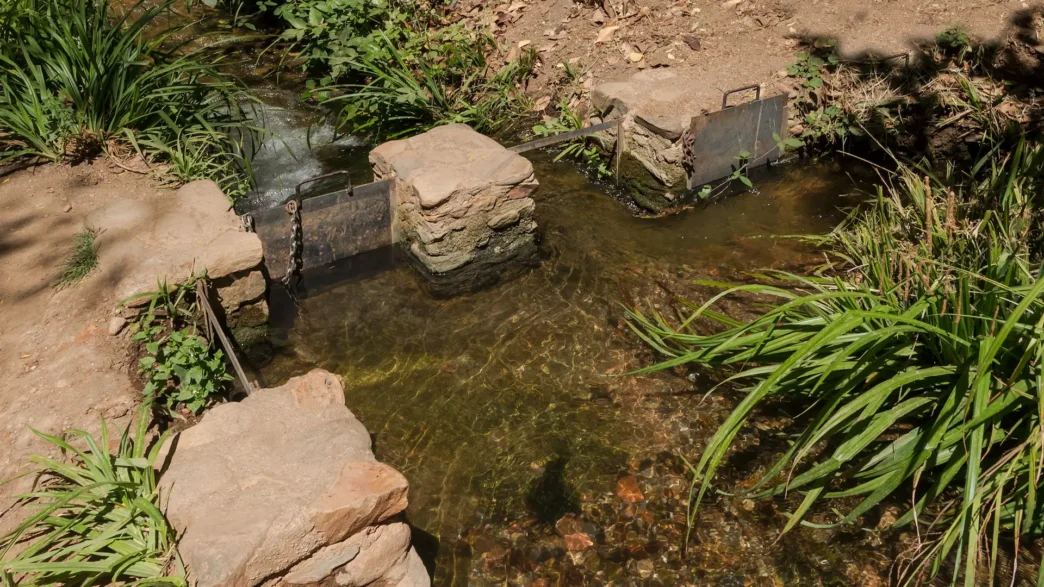
Spain’s Ministry of Culture has temporarily suspended the process to recognize traditional irrigation systems as Intangible Cultural Heritage, a decision that has drawn concern from rural communities, heritage experts, and agricultural organisations across the country.
The initiative aimed to formally acknowledge centuries-old historic irrigation networks that have shaped agricultural landscapes in regions such as Andalusia, Valencia, Murcia, and southern Spain. These systems represent not only infrastructure, but also long-standing traditions of community-based water management in Spain.
According to reporting by El País, the ministry’s decision follows months of internal discussions regarding evaluation criteria, policy alignment, and the broader implications of granting national heritage status.
A Tradition Rooted in Mediterranean History
Spain’s traditional irrigation systems — including communal canals, water distribution committees, and seasonal governance structures — date back hundreds of years.
Many were influenced by Roman and Moorish engineering traditions, later evolving into sophisticated local cooperation models. These networks reflect early forms of collective resource management and sustainable agricultural adaptation.
Supporters argue that these irrigation systems form a vital part of Spain’s cultural heritage landscape, demonstrating environmental resilience long before modern water infrastructure existed.
In 2023, UNESCO recognised similar irrigation traditions internationally, highlighting their global cultural value. Although Spain was not formally included, advocates had hoped national recognition would strengthen preservation efforts.
For historians and rural associations, the suspension represents a delay in efforts to protect living traditions that link agriculture, identity, and local governance.
Why the Decision Matters: Water Policy and Climate Change
The debate connects directly to broader national discussions on:
- Water management policy in Spain
- Climate change adaptation
- Agricultural sustainability
- Rural depopulation
- Environmental regulation
- Land-use planning
Spain has experienced repeated drought conditions, particularly in Mediterranean regions. Climate experts warn that rising temperatures and irregular rainfall patterns are increasing pressure on traditional farming systems.
Supporters of recognition argue that historic irrigation networks demonstrate adaptive water management models that remain relevant in the era of climate resilience strategies.
They also contend that formal heritage status could help prevent modernization projects from unintentionally disrupting centuries-old communal frameworks.
Concerns from Rural Communities
Agricultural groups and heritage advocates have expressed disappointment over the suspension.
They argue that official recognition could provide:
- Stronger legal protection
- Access to cultural preservation funding
- Support for restoration projects
- Greater visibility for rural regions
Some representatives warn that delays risk weakening cultural protection efforts at a time when many agricultural communities face economic strain and population decline.
Spain’s rural areas continue to experience long-term demographic shifts, with younger generations moving toward urban centres. For communities that rely on traditional irrigation networks, recognition would represent institutional acknowledgement of their contribution to national development.
Balancing Cultural Heritage and Environmental Policy
The Ministry’s decision reflects the complexity of aligning cultural heritage policy in Spain with environmental and agricultural strategies.
Officials are reportedly reviewing criteria to ensure consistency with national objectives related to water sustainability and environmental governance.
Heritage designation is not purely symbolic. It can influence:
- Funding priorities
- Regional development planning
- Conservation programmes
- Community governance structures
This illustrates a recurring policy challenge: balancing economic productivity, environmental protection, and cultural preservation within the same regulatory framework.
Broader European Context
Across the European Union, traditional agricultural systems are increasingly evaluated for both their productivity and their cultural significance.
In many Mediterranean countries, historic irrigation networks are viewed as examples of community-driven resource management, developed in response to limited water availability and seasonal climate conditions.
Spain’s debate reflects a wider European conversation about how intangible cultural heritage, climate adaptation, and sustainable development intersect.
What Happens Next?
The Ministry of Culture has not announced a timeline for resuming the recognition process.
Officials have indicated that discussions will continue, suggesting the suspension may be temporary rather than permanent.
Heritage advocates are expected to push for clarification, while environmental organisations may seek transparency regarding evaluation standards.
For now, the future of national recognition remains open — but the debate highlights the increasing importance of rural heritage, sustainability, and cultural identity in Spain’s policy landscape.
❓ Frequently Asked Questions (FAQ)
Why did Spain suspend recognition of historic irrigation systems?
The Ministry of Culture paused the process to review criteria and ensure alignment with environmental and agricultural policies.
What are traditional irrigation systems in Spain?
They are centuries-old community-based water management networks, especially common in Mediterranean regions.
Why is Intangible Cultural Heritage status important?
It provides recognition, visibility, and potential protection for traditional cultural practices.
Did UNESCO recognise similar irrigation traditions?
Yes, in 2023 UNESCO included comparable systems in its global heritage listings, though Spain was not formally part of that recognition.
What is the broader debate about?
The issue links cultural preservation, climate adaptation, water management policy, and rural development.
Information Source:
Photo Attribution:
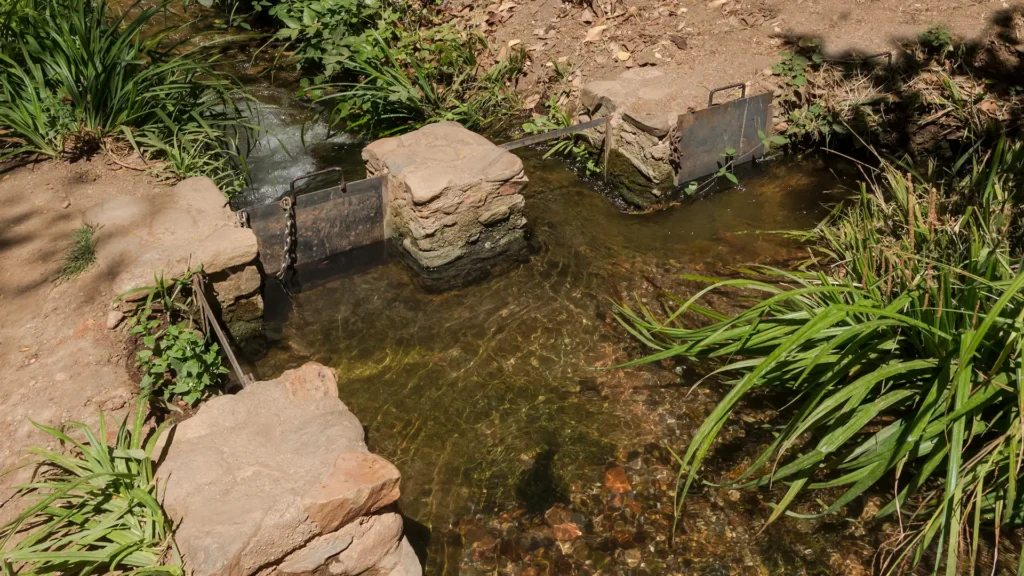
Photo credit: Irrigation in the Alhambra gardens, by Jebulon, CC0 1.0/Public Domain, via Wikimedia Commons. https://w.wiki/J5Lq