

 English
 Español

Why is Spain’s economy booming in 2026?
The Spain economy in 2026 is emerging as one of the strongest in Europe. Growth remains steady, tourism is breaking records, and foreign investment continues to rise.
At a time when other major economies are slowing down, Spain has become an unexpected success story.
But behind the headlines, a critical question is gaining attention:
👉 Is Spain’s economic growth sustainable—or built on fragile foundations?
Spain vs Europe: a rare growth story
While countries like Germany face stagnation, Spain’s economic growth has remained resilient.
Key drivers include:
- Record-breaking tourism sector
- Strong job creation
- Support from EU recovery funds
These factors have positioned Spain as an outperformer within the European economy in 2026.
👉 However, economists warn that this growth may not be evenly distributed—or sustainable long term.
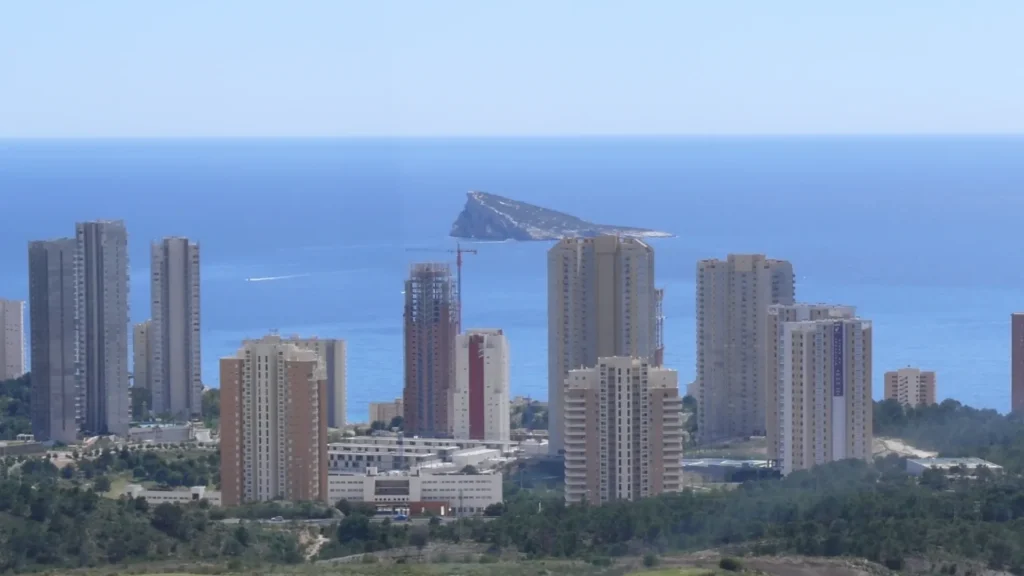
Tourism in Spain: the engine behind the boom
Tourism continues to be the backbone of Spain’s economy.
The country attracts millions of visitors thanks to:
- Climate and lifestyle appeal
- Modern infrastructure
- Competitive pricing compared to other destinations
Global instability has also played a role.
Recent tensions involving Iran have shifted travel patterns.
👉 Many tourists avoiding the Middle East are now choosing Spain instead.
This has further accelerated the tourism boom in Spain in 2026.
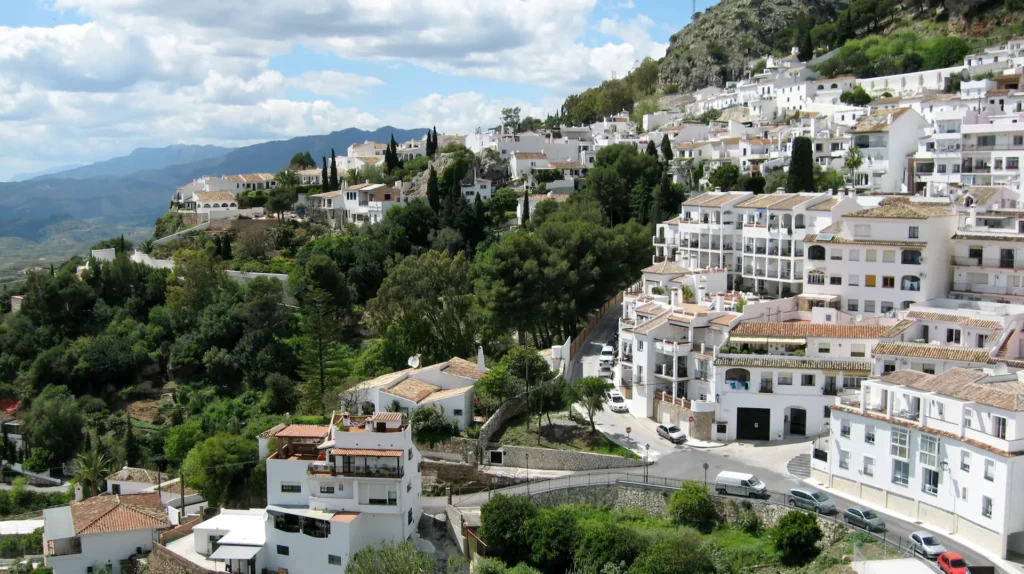
The downside of tourism: growth with pressure
While tourism drives economic growth, it also creates serious structural challenges.
Key issues include:
- Rising housing prices
- Overcrowding in major cities
- Pressure on infrastructure and public services
👉 This has intensified one of Spain’s biggest problems:
the housing crisis.

Housing crisis in Spain: the biggest risk to growth
The Spain housing crisis in 2026 is becoming a major threat to long-term stability.
In major cities:
- Rent prices are rising तेजी
- Housing supply remains limited
- Local wages are not keeping up
Several factors are driving this trend:
- Foreign buyers
- Short-term rentals (tourist apartments)
- Population shifts toward urban areas
👉 The result is a growing gap between economic growth and affordability.
Global risks: inflation, energy and geopolitics
Spain’s economic success is also vulnerable to external shocks.
Global instability—particularly tensions involving Iran—affects:
- Energy prices
- Inflation levels
- Government spending
Higher fuel costs and supply chain disruptions could slow down growth.
👉 Spain’s economy is strong—but not immune to global risks.

Why Spain is attracting global attention
Spain is no longer just a tourist destination.
It is increasingly seen as:
- A hub for digital nomads
- A relocation hotspot for remote workers
- A key player in Europe’s recovery
This growing international appeal is boosting investment and visibility.
👉 But it also adds pressure on housing, infrastructure and local affordability.
Is Spain’s economic model sustainable?
Spain’s growth model depends heavily on:
- Tourism
- External demand
- Real estate activity
This raises concerns about long-term resilience.
👉 If tourism slows or housing becomes unaffordable,
Spain’s economic growth could weaken quickly.
FAQs: Spain economy in 2026
Why is Spain’s economy growing faster than Europe?
Strong tourism, EU funding and stable employment are driving growth.
What are the biggest risks?
Housing shortages, dependence on tourism and rising energy costs.
How does tourism affect Spain’s economy?
It boosts GDP but increases housing costs and overcrowding.
Is Spain too dependent on tourism?
Many experts believe this is becoming a structural risk.
Will Spain continue growing in 2027?
Growth is expected, but likely at a slower pace.
A boom with limits
Spain’s economic success in 2026 is real—but not guaranteed.
The country stands at a critical crossroads:
👉 Balance growth with sustainability—or risk losing momentum.
The combination of tourism dependence, housing pressure and global uncertainty will define Spain’s future.
Spain has proven its resilience.
Now, the challenge is whether it can turn short-term success into long-term stability.
Lorem ipsum dolor sit amet, consectetur adipiscing elit. Ut elit tellus, luctus nec ullamcorper mattis, pulvinar dapibus leo.
Information Source:
https://www.caixabank.es/particular/nuevos-residentes/
Photo Attribution:
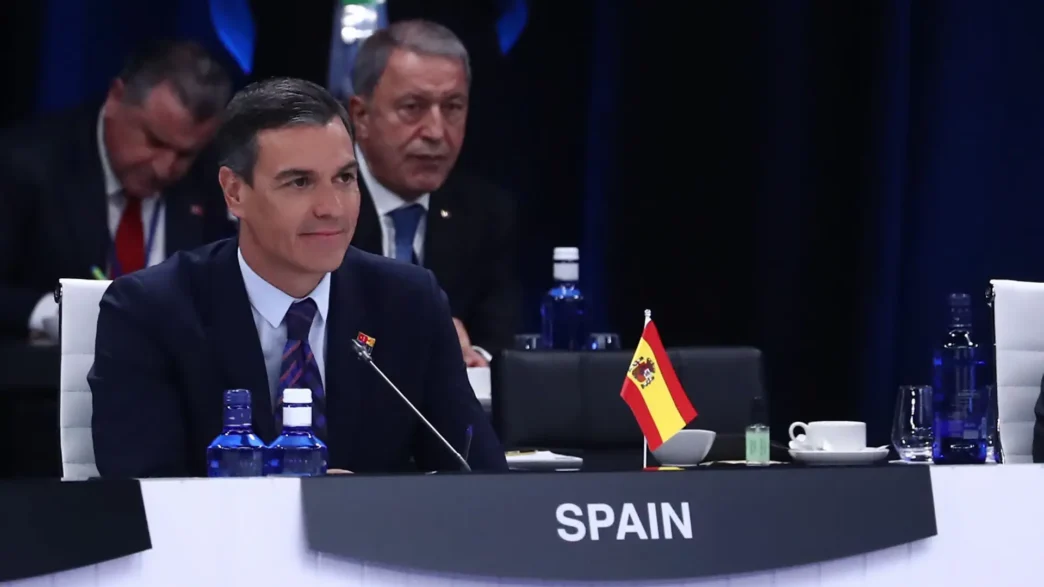
Photo: Pedro Sánchez at the NATO Summit (June 29, 2022)
Source: La Moncloa (Government of Spain)
Author: Pool Moncloa / Fernando Calvo Rollán
License: Government of Spain – free use with attribution https://w.wiki/KZVv
Photo credit: Official White House photo by Andrea Hanks, showing Presidents Donald J. Trump and Pedro Sánchez at the United Nations General Assembly, 25 September 2018. Public domain. Source: Wikimedia Commons (file President_Donald_Trump_and_Pedro_Sánchez.jpg). https://w.wiki/J9zG
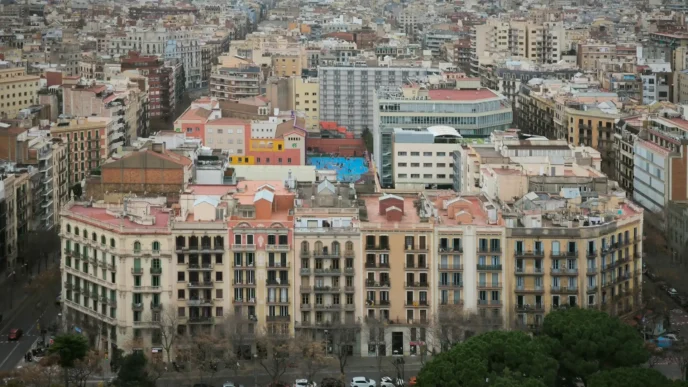
Plaça Sagrada Família, house 1 to 7 Barcelona, Spain, by Reda Kerbouche, Creative Commons Attribution-Share Alike 4.0 International license, Wikimedia Commons https://w.wiki/KCz9
Skyline of Benidorm by Ad Meskens, via Wikimedia Commons, licensed under CC BY-SA 3.0.
Mijas 10, by Olaf Tausch, Creative Commons Attribution 3.0 Unported license. Wikimedia Commons:https://w.wiki/KEwy