

 English
 Español
Spain is becoming one of the most resilient energy markets in Europe, keeping electricity prices significantly lower than Germany and Italy in 2026, even as the Iran war triggers a global energy crisis.
While rising gas prices and supply disruptions are pushing electricity costs higher across Europe, Spain stands out. Electricity in Spain remains up to three times cheaper, thanks to a structural shift toward renewable energy.
This transformation is not only reducing bills—it is also reshaping how countries respond to global energy shocks.

Iran War and energy crisis: why electricity prices are rising in Europe
The Iran war and the closure of the Strait of Hormuz have disrupted global oil and gas flows, creating uncertainty in international energy markets.
This strategic route is essential for transporting:
- Oil
- Liquefied natural gas (LNG)
As supply concerns intensify, gas prices across Europe have surged, directly increasing electricity costs in countries that depend on fossil fuels.
This explains why:
- Germany averages ~€113/MWh
- Italy reaches ~€141/MWh
- Other EU countries report even higher prices
However, Spain has been far less affected.
Electricity prices in Spain 2026: still among the lowest in Europe
Despite volatility, Spain’s average electricity price remains between €37 and €57 per megawatt-hour, far below the European average.
There are still daily fluctuations:
- Peak price: €255.21/MWh (evening demand spike)
- Low price: €82.80/MWh (off-peak hours)
However, the overall trend is significantly more stable than in other European countries.
👉 This raises a key question driving search traffic:
Why is electricity cheaper in Spain than in Germany or Italy?
Why electricity is cheaper in Spain: the renewable energy factor
The answer lies in one critical factor: Spain’s energy mix.
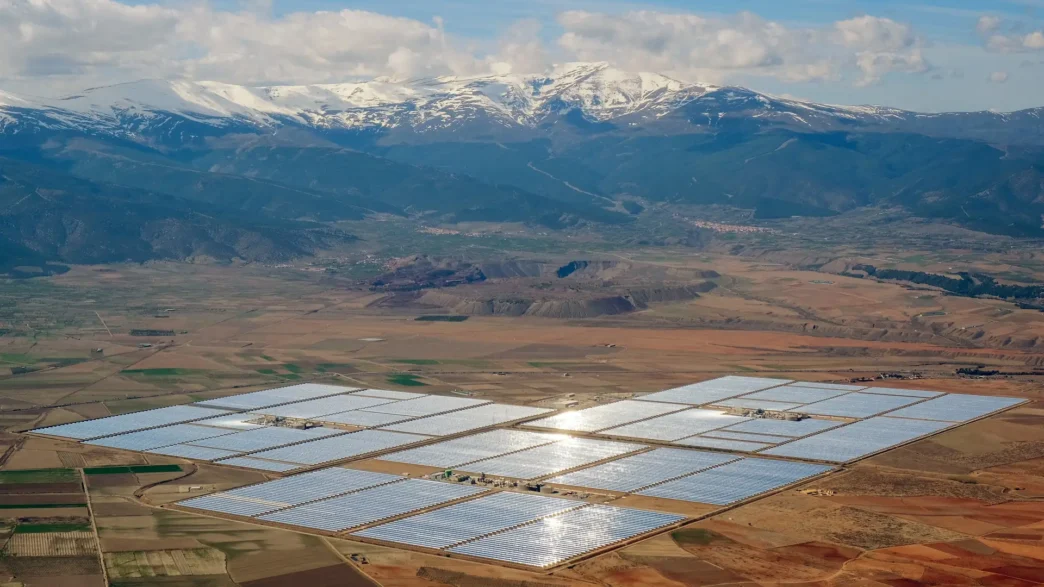
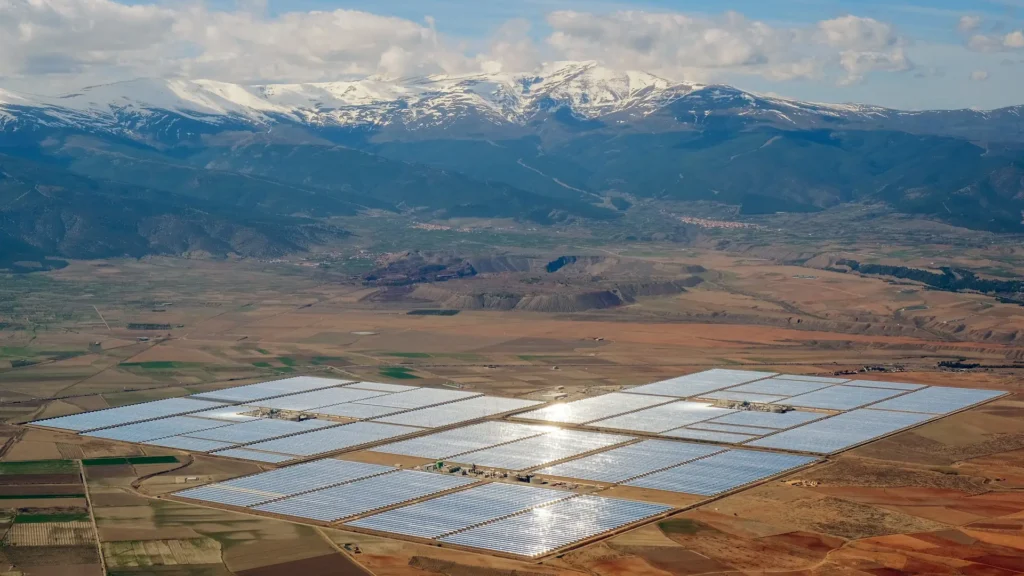
More than 60% of Spain’s electricity comes from renewable energy, including:
- Solar power
- Wind energy
- Hydropower
This gives Spain a major advantage.
Unlike gas or coal:
- Renewables are not affected by global price shocks
- Sun and wind are free energy sources
- Operating costs are significantly lower
Energy expert Jorge Morales de Labra explains:
“Electricity is cheaper because operational costs are lower, and the fuel—sun and wind—is free.”
Solar power boom: a key reason behind lower electricity bills
Spain is entering a peak solar production season, especially during April and May.
This creates a unique situation:
- High energy supply
- Lower demand (no heavy air conditioning use yet)
“These months bring extraordinary solar output with moderate demand,” Morales notes.
This balance helps reduce electricity prices further, reinforcing Spain’s competitive advantage.
Free electricity in Spain: how renewables are changing the market
One of the most surprising developments is the rise of free or even negative electricity prices.
During peak solar hours:
- Supply exceeds demand
- Prices drop to €0/MWh
- Some producers even sell at negative prices
Why?
Because:
- Stopping production is more expensive than continuing
- Energy must be consumed in real time
This reflects a major shift in how electricity markets operate in renewable-heavy economies.
Spain power cuts and renewable energy: separating myth from reality
A common concern is whether renewable energy causes power outages in Spain.
However, data from Red Eléctrica de España and energy experts confirms otherwise.
👉 Last year’s power cuts in Spain were NOT caused by renewable energy.
Instead, outages were linked to:
- Grid infrastructure limitations
- Technical failures
- Network management issues
Spain’s grid operator has repeatedly emphasized that:
- The system maintains real-time balancing mechanisms
- Renewable energy is fully integrated safely into the grid
In fact, renewables improve:
- Energy independence
- System resilience
- Price stability
The real challenge lies in:
- Grid modernization
- Energy storage expansion
- Cross-border interconnections
Government response: protecting consumers from energy volatility
The Spanish government is reinforcing its energy strategy.
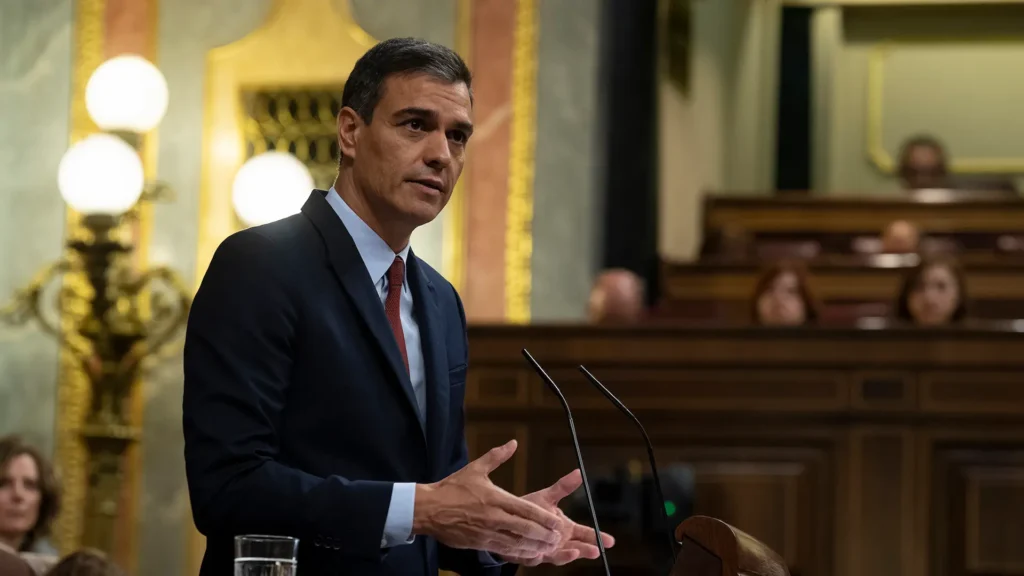
Prime Minister Pedro Sánchez recently stated that Spain has achieved:
- 3x cheaper electricity than France
- 6x cheaper than Germany
- 7x cheaper than Italy (in some periods)
Meanwhile, Sara Aagesen announced new measures to protect households.
These include:
- Support for vulnerable consumers
- Electricity bill stabilization mechanisms
- Continued investment in renewable energy
Spain vs Germany and Italy: a model for Europe?
Spain’s energy model is increasingly viewed as a blueprint for Europe.
Countries heavily dependent on fossil fuels remain vulnerable to:
- Geopolitical conflicts
- Gas price volatility
- Supply disruptions
In contrast, Spain benefits from:
- Renewable diversification
- Lower production costs
Greater energy independence
Frequently Asked Questions: Spain Electricity Prices and Energy Crisis
Why is electricity cheaper in Spain than in Germany and Italy?
Electricity is cheaper in Spain mainly because over 60% of its energy comes from renewable sources such as solar and wind. Unlike gas or coal, these sources are not affected by global price fluctuations. Countries like Germany and Italy rely more on gas, making their electricity prices more sensitive to international energy crises, including the impact of the Iran war.
How is the Iran war affecting electricity prices in Europe?
The Iran war has disrupted oil and gas supplies, especially through the Strait of Hormuz, a key global energy route. This has caused gas prices to rise sharply, which directly increases electricity costs in countries that depend on fossil fuels. Spain has been less affected thanks to its strong renewable energy production.
What is the average electricity price in Spain in 2026?
In 2026, the average electricity price in Spain ranges between €37 and €57 per megawatt-hour, although prices can vary depending on the time of day. This is significantly lower compared to Germany and Italy, where prices often exceed €100/MWh.
Can electricity really be free in Spain?
Yes, electricity can occasionally be free or even have negative prices in Spain. This happens when renewable energy production—especially solar—exceeds demand, typically during midday hours. In such cases, energy producers may prefer to sell electricity at very low or negative prices rather than stop production.
Did renewable energy cause the recent power cuts in Spain?
No. Renewable energy was not responsible for recent power outages in Spain. According to grid operators, outages were caused by technical issues, infrastructure limitations, or grid management challenges, not by solar or wind energy.
Is Spain’s electricity system reliable with so much renewable energy?
Yes. Spain’s electricity grid, managed by Red Eléctrica de España, is designed to balance supply and demand in real time, ensuring stability. Renewable energy actually improves energy independence and resilience, although continued investment in storage and infrastructure is necessary.
Will electricity prices remain low in Spain in the future?
While prices will continue to fluctuate, Spain is well-positioned to maintain lower electricity costs thanks to:
- High renewable energy capacity
- Strong solar and wind resources
- Ongoing government investment
This makes Spain less vulnerable to global energy shocks compared to other European countries.
How does renewable energy lower electricity bills?
Renewable energy lowers electricity bills because:
- Fuel costs are zero (sun and wind)
- Operational costs are lower
- It reduces dependence on expensive imported gas
As a result, countries with more renewables—like Spain—tend to have cheaper and more stable electricity prices.
Outlook: will electricity remain cheaper in Spain?
While short-term volatility will continue, the long-term outlook is clear:
👉 Spain is structurally positioned to maintain lower electricity prices.
Key advantages include:
- High renewable capacity
- Favorable climate for solar and wind
- Continued government support
For households, this means:
- Lower energy bills
- Reduced exposure to global crises
- Greater long-term stability
Information Source:
https://www.elespanol.com/sociedad/
https://www.lasexta.com/noticias/nacional/
Photo Attribution:
Andasol Guadix 2, by kallerna, Creative Commons Attribution-Share Alike 4.0 International license. Wikimedia Commons: https://w.wiki/KUTK
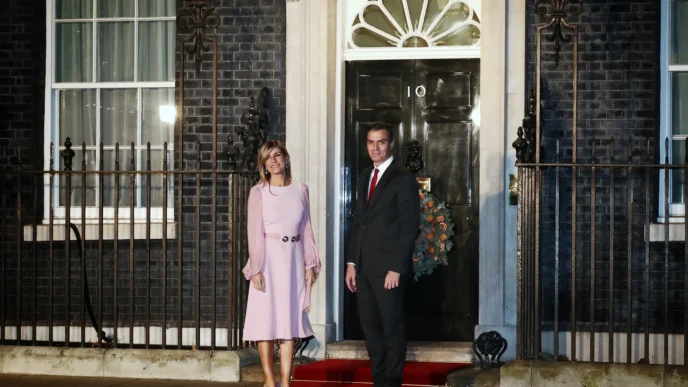
Photo: Pool Moncloa / Borja Puig de la Bellacasa (Ministry of the Presidency, Government of Spain), 22 July 2019. lamoncloa.gob.es Wikimedia Commons: https://w.wiki/KKmW
Imagen: RAF Gibraltar A400M durante la Operación Newcombe.
Autor: UK Ministry of Defence (Open Government Licence v1.0).
Fuente: Wikimedia Commons. https://w.wiki/J2Ms
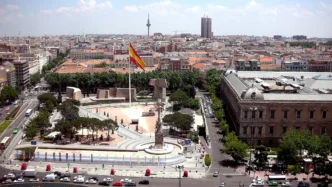
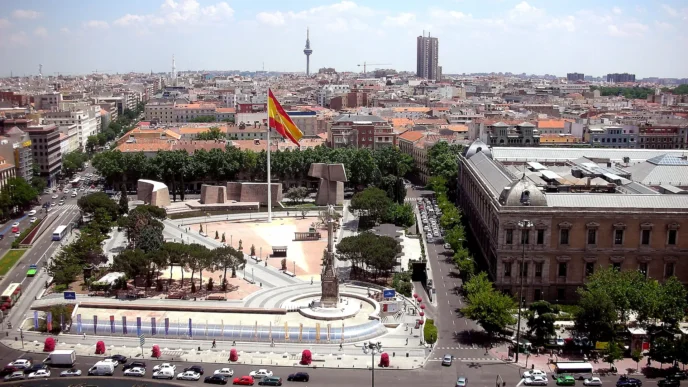
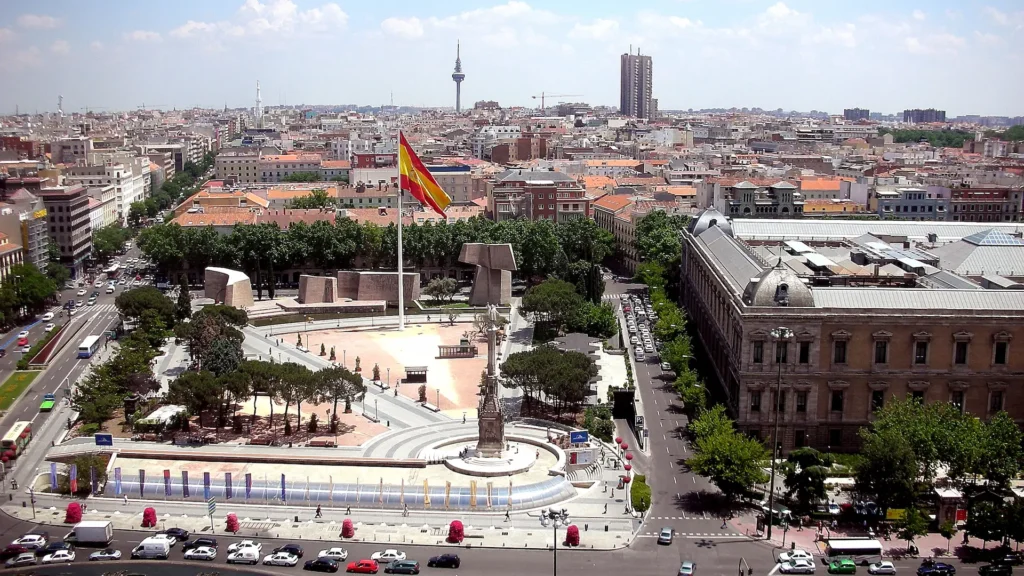
Plaza de Colón, by Enrique Dans, Creative Commons Attribution 2.0 Generic, Wikimedia Commons: https://w.wiki/JGMs
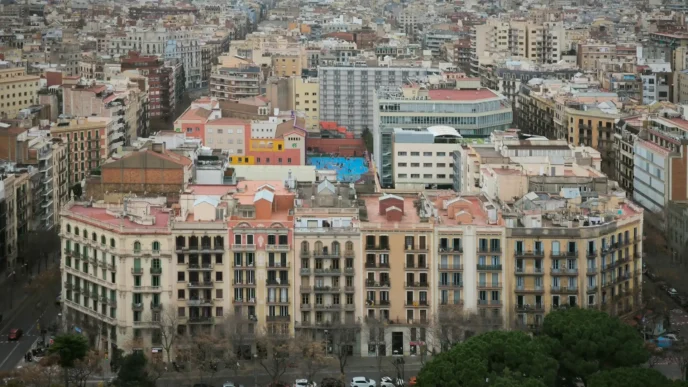
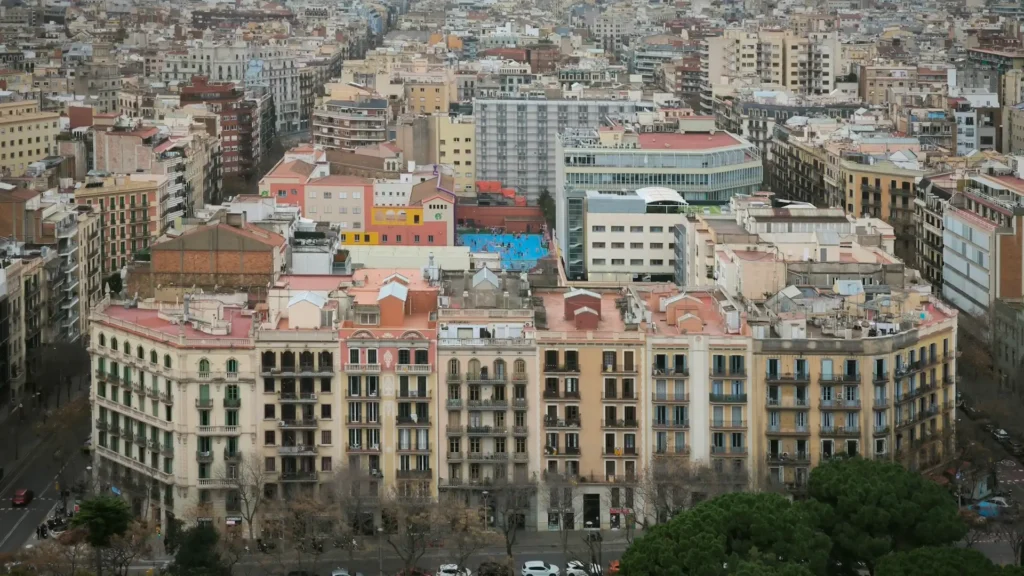
Plaça Sagrada Família, house 1 to 7 Barcelona, Spain, by Reda Kerbouche, Creative Commons Attribution-Share Alike 4.0 International license, Wikimedia Commons https://w.wiki/KCz9