

 English
 Español
Spain is often portrayed as one of Europe’s economic success stories. Growth is holding, tourism is booming, and international investment is rising.
But there’s a growing contradiction.
Why is it becoming harder to live in Spain—especially in its most successful cities?
A booming economy… with a growing problem
Spain welcomed nearly 97 million tourists in 2025, cementing its position as one of the world’s top travel destinations.
At the same time, economic growth has outpaced many European peers.
Yet behind the headlines, a structural issue is intensifying:
👉 housing affordability is collapsing
Why housing in Spain is becoming unaffordable
Several forces are colliding at once:
1. Tourism pressure
Short-term rentals in cities like Barcelona, Madrid, and Valencia are reducing long-term housing supply.
2. Foreign demand
Spain has become a hotspot for:
- digital nomads
- retirees
- remote workers
This is pushing prices beyond local wages.
3. Limited housing supply
Construction has not kept pace with demand since the 2008 financial crisis.
The paradox: growth vs affordability
Spain’s economy is expanding—but real purchasing power isn’t keeping up.
This creates a dangerous imbalance:
- More jobs, but lower real access to housing
- More investment, but higher inequality
Why this matters globally
This is no longer just a Spanish issue.
Spain is becoming a case study for a global trend:
👉 tourism + remote work + limited supply = housing crisis
Cities across Europe—and even the US—are watching closely.
What happens next?
Experts warn that housing could become the main limit to Spain’s economic growth.
If workers cannot afford to live in major cities:
- productivity suffers
- labor shortages increase
- inequality deepens
FAQs: Spain housing crisis
Why is housing so expensive in Spain now?
Rising demand from tourism, foreign buyers, and limited construction are pushing prices up faster than wages.
Is Spain still affordable for foreigners?
In some regions yes, but major cities are becoming increasingly expensive, especially for long-term living.
Which cities are most affected?
Barcelona, Madrid, Málaga, and the Balearic Islands are among the hardest hit.
Will prices keep rising?
Most analysts expect continued pressure unless supply increases significantly.
Is this happening elsewhere in Europe?
Yes—Spain is part of a broader trend affecting cities across Europe and beyond.
A structural crisis, not a temporary one
Spain’s housing problem is not a short-term issue.
It reflects a deeper shift in how people live, work, and travel globally.
And for now, the question remains:
👉 Can Spain keep growing if people can’t afford to live there?
Information Source:
https://www.eleconomista.es/vivienda-inmobiliario/
https://www.ejeprime.com/mercado/
Photo Attribution:
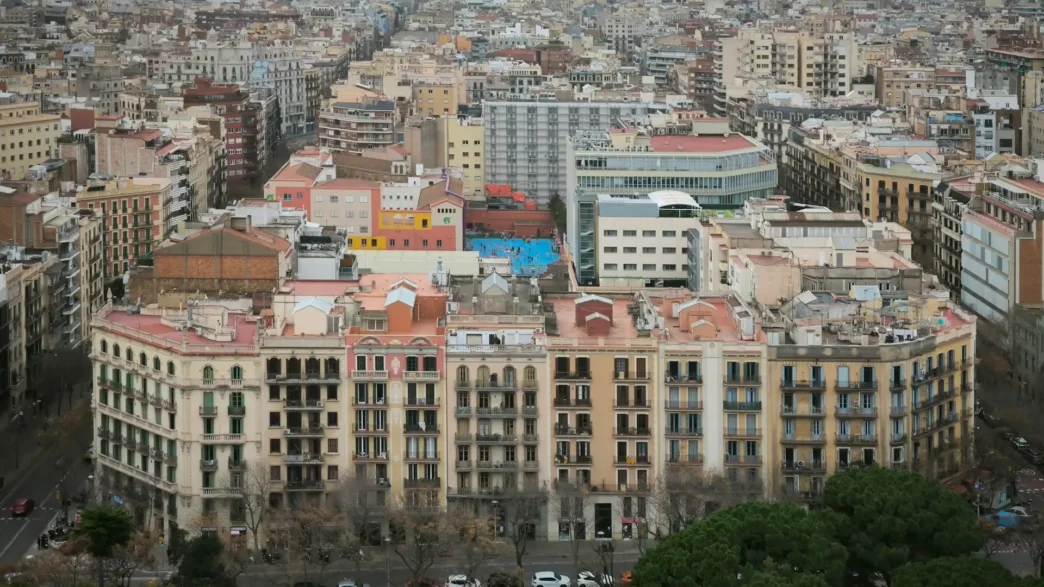
Plaça Sagrada Família, house 1 to 7 Barcelona, Spain, by Reda Kerbouche, Creative Commons Attribution-Share Alike 4.0 International license, Wikimedia Commons https://w.wiki/KCz9
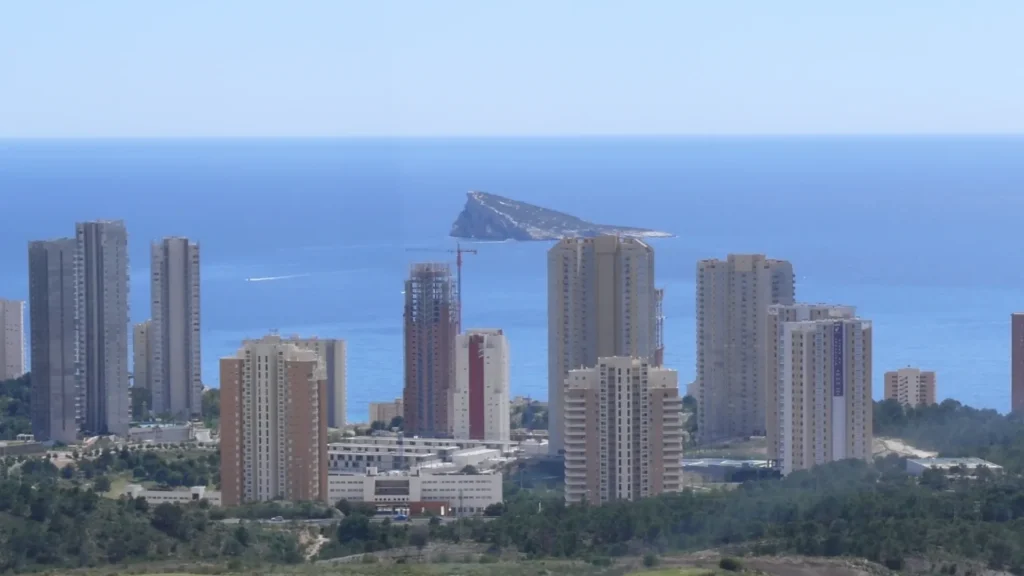
Skyline of Benidorm by Ad Meskens, via Wikimedia Commons, licensed under CC BY-SA 3.0.
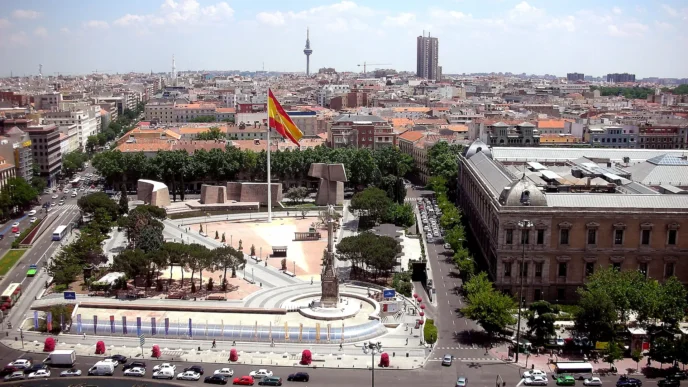
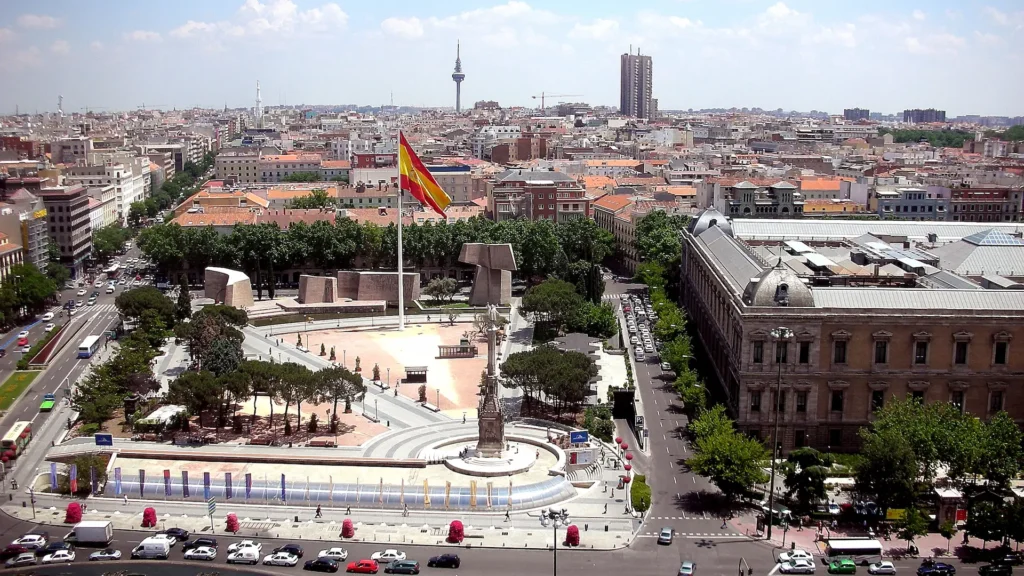
Plaza de Colón, by Enrique Dans, Creative Commons Attribution 2.0 Generic, Wikimedia Commons: https://w.wiki/JGMs