


 English
 Español
Spain allocated approximately €8 billion in public subsidies to activities considered harmful to biodiversity and ecosystems in 2024, according to a new report published by environmental organisation Ecologistas en Acción.
The findings have intensified debate over Spain’s public spending priorities and whether they align with national climate commitments and European Union environmental frameworks, including the European Green Deal and the EU Biodiversity Strategy.
The report estimates that spending on environmentally harmful subsidies was four times higher than the roughly €2 billion allocated to conservation, ecosystem restoration, and biodiversity protection during the same period.
What Are Environmentally Harmful Subsidies?
The study identifies several areas where public financial support may contribute to environmental pressure, including:
- Intensive agriculture subsidies
- Water infrastructure expansion projects
- Fossil fuel-related tax exemptions
- Resource-intensive industrial incentives
Environmental groups argue that these incentives risk locking in unsustainable practices and may undermine Spain’s long-term climate and biodiversity goals.
They warn that continued funding for environmentally damaging activities could conflict with Spain’s commitment to climate neutrality, emissions reduction targets, and ecosystem restoration objectives.
Agriculture and Rural Stability at the Center
Agriculture represents a significant portion of Spain’s subsidy system and remains central to the national economy, particularly in regions such as Andalusia, Castilla-La Mancha, Murcia, and Aragón.
Supporters of current policies argue that agricultural subsidies are essential to:
- Maintain rural employment
- Ensure food security
- Support regional economic stability
- Prevent further rural depopulation
Government officials emphasize that many subsidies serve social and economic functions, helping farmers and rural communities remain competitive in global markets.
However, environmental organisations argue that certain forms of intensive farming, particularly those reliant on high water consumption and chemical inputs, place additional strain on ecosystems already affected by climate change.
Spain has faced recurring droughts, rising temperatures, wildfire risk, and declining water reserves, especially in Mediterranean regions — trends widely linked to global warming.
Fossil Fuel Subsidies Under Scrutiny
The report also highlights fossil fuel tax exemptions and financial mechanisms that support continued consumption of carbon-intensive energy sources.
Environmental analysts argue that gradually phasing out these incentives could:
- Accelerate Spain’s renewable energy transition
- Improve alignment with EU climate targets
- Redirect public funds toward sustainable investment
- Strengthen long-term economic resilience
Spain has expanded its wind and solar energy capacity significantly in recent years. However, critics contend that inconsistent subsidy structures may slow the broader ecological transition.
Reform advocates suggest that redirecting funds toward ecosystem restoration, green infrastructure, and climate adaptation projects could produce both environmental and economic benefits.
Spain in the European Context
Spain’s situation reflects a broader EU-wide discussion about environmentally harmful subsidies.
Under European climate and biodiversity policy, member states are encouraged to phase out incentives that contribute to:
- Greenhouse gas emissions
- Habitat destruction
- Water overuse
- Soil degradation
- Biodiversity loss
However, subsidy reform remains politically complex. Many programmes were originally designed to promote rural development, industrial growth, and agricultural stability.
Balancing environmental transition with economic security continues to be one of Europe’s most challenging policy issues.
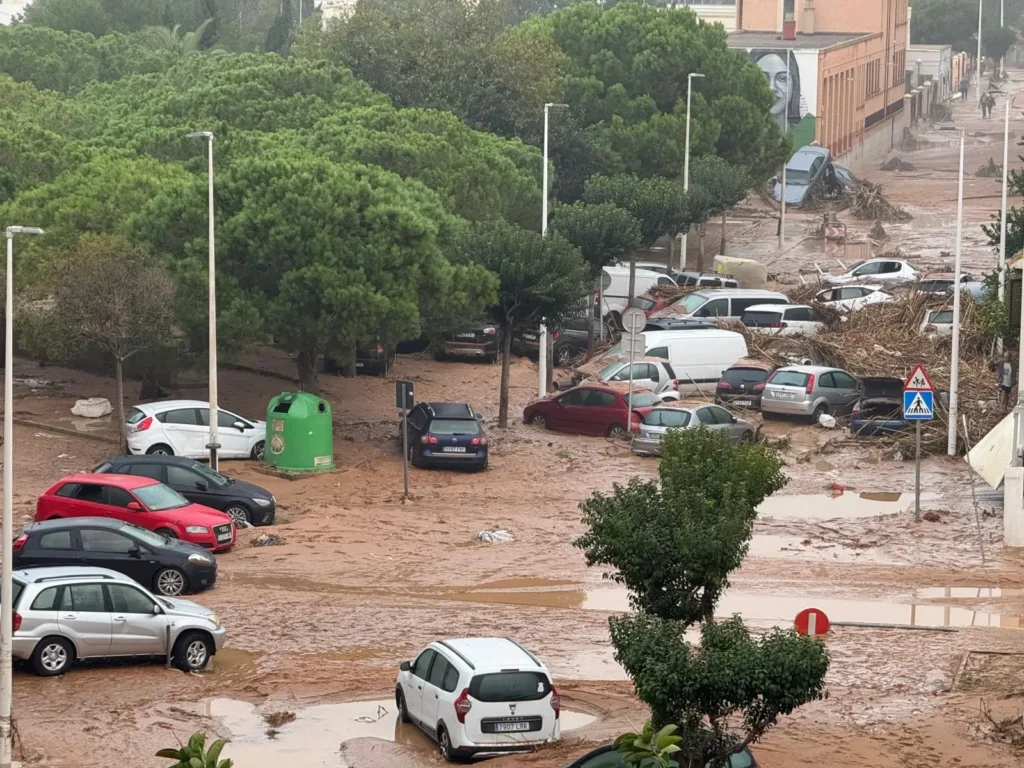
Growing Climate Pressures in Spain
Spain is experiencing increasing environmental stress, including:
- More frequent and prolonged drought conditions
- Severe wildfires
- Soil erosion in agricultural zones
- Declining biodiversity
- Water scarcity in southern and eastern regions
Environmental organisations argue that increasing funding for conservation and ecosystem restoration would strengthen climate resilience.
Projects such as wetland recovery, reforestation, sustainable irrigation systems, and habitat protection can provide long-term ecological and economic returns.

Government Perspective
While environmental groups call for accelerated reform, government representatives stress the importance of maintaining economic stability, particularly in rural areas.
Officials argue that agriculture and resource-based industries remain essential for employment and national food production.
They emphasize that any restructuring of subsidies should be implemented gradually and in coordination with European regulations, ensuring that vulnerable communities are not disproportionately affected.
The government has previously pledged to improve sustainability criteria in public spending and align national policy with EU environmental objectives.
A Structural Policy Debate
The report raises a broader question: Are Spain’s public finance priorities fully aligned with its long-term environmental commitments?
Policy experts suggest that meaningful reform may require:
- Gradual restructuring of subsidy frameworks
- Clear environmental performance conditions
- Incentives for sustainable agriculture
- Greater investment in ecosystem restoration
- Increased transparency in public expenditure reporting
Rather than abrupt cuts, analysts recommend phased reforms that balance ecological transition with economic stability.
Looking Ahead
As Spain continues to confront climate pressures and biodiversity loss, discussions about subsidy reform are expected to intensify.
Environmental groups are likely to call for measurable timelines and accountability mechanisms to reduce environmentally harmful financial incentives.
At the same time, policymakers must balance climate goals with rural development, food security, and economic resilience.
Information Source:
https://elpais.com/clima-y-medio-ambiente/
Photo Attribution:
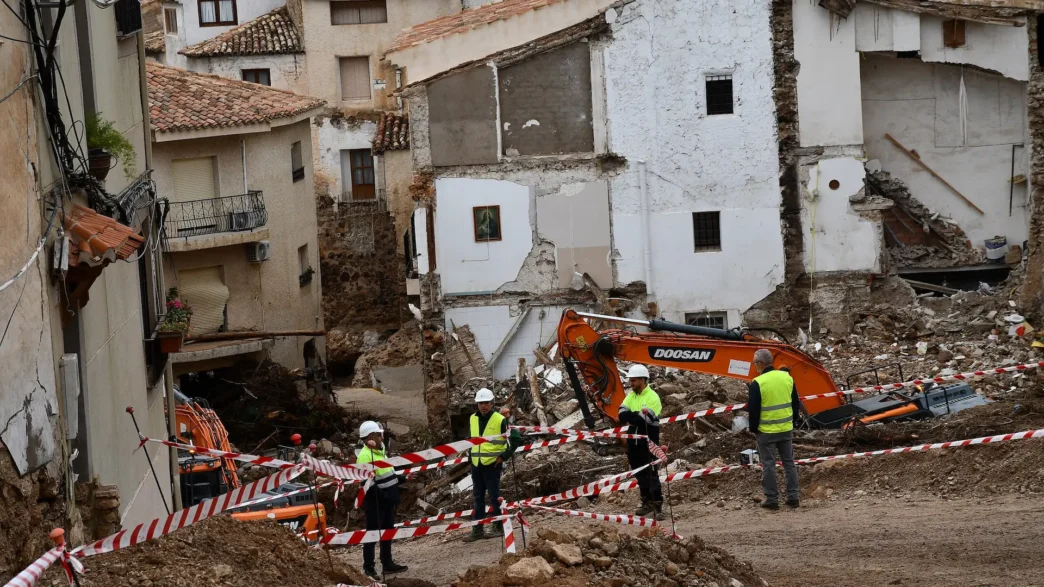
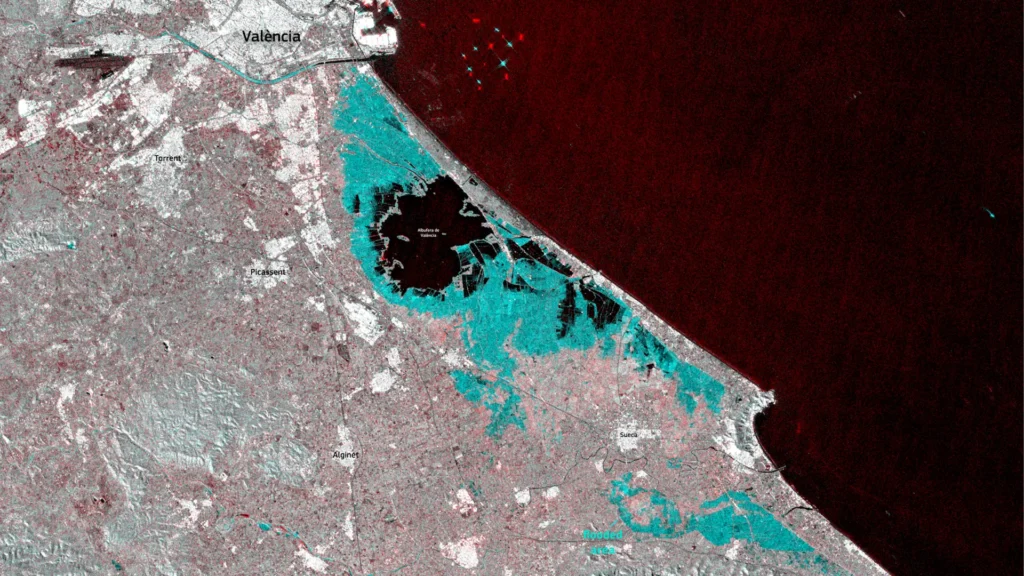
Image credit: © European Union / Copernicus Sentinel-1 imagery (2024). “Disastrous floods south of Valencia, Spain (Copernicus 2024-11-01)”. Image resized for web use. Used under licence from the Copernicus Programme — attribution required.
Image credit: © Manuel Pérez García & Estefania Monerri Mínguez / Wikimedia Commons (CC BY-SA 4.0). “Cotxes arrossegats per la DANA 2024 en Catarroja” (30 Oct 2024). Used under licence: Creative Commons Attribution-ShareAlike 4.0 International.
Image credit: © Gobierno de Castilla-La Mancha / Flickr (JCCM) (4 Nov 2024). “2024-11-04 – Reunión del ‘Plan Letur 2025-2028’ para la recuperación del municipio – 54115346207.jpg”. Licensed under Creative Commons Attribution-ShareAlike 2.0 Generic (CC BY-SA 2.0).
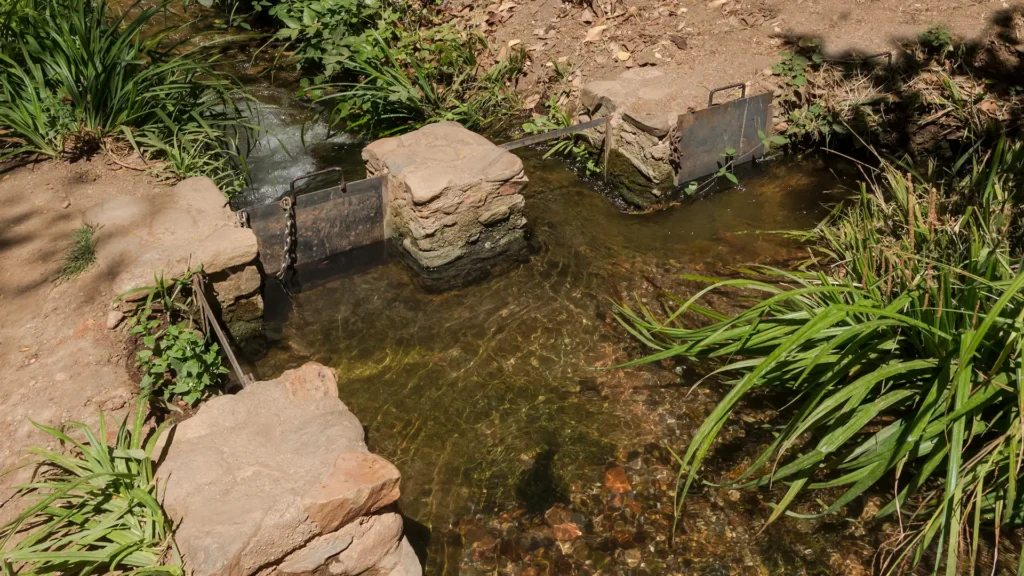
Photo credit: Irrigation in the Alhambra gardens, by Jebulon, CC0 1.0/Public Domain, via Wikimedia Commons. https://w.wiki/J5Lq
Photo: Pedro Sánchez after winning the PSOE primaries, singing “La Internacional” (21 May 2017). By Marta Jara / eldiario.es. Licensed under CC BY-SA 3.0 Spain.