

 English
 Español
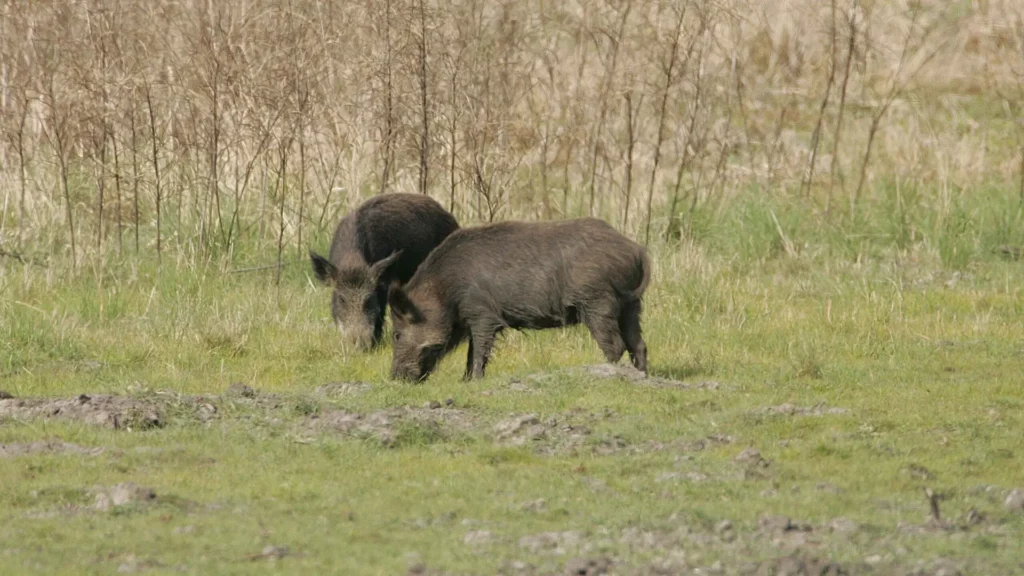
Spain has confirmed its first African swine fever (ASF) outbreak in more than 30 years, triggering an extensive emergency response across 76 municipalities in Catalonia. The virus, detected in 14 wild boar found dead in the Collserola mountain range near Barcelona, poses no risk to humans, but represents a serious threat to the country’s multibillion-euro pork industry.
No Risk to Humans, But a Major Threat to Livestock
Laboratory tests confirmed that the wild boar died from African swine fever, a highly contagious viral disease that is almost always fatal in pigs and wild boar.
“This is a disease with a very high mortality rate — close to 100%,” explained José Antonio López Guerrero of the Autonomous University of Madrid. Infected animals develop fever, stop eating and often die within days.
Experts emphasize that ASF cannot infect or harm humans, nor can it be transmitted through pork.
“There is no risk to human beings, and pork remains completely safe,” said Alberto Herranz, director of Interporc.
Spain had been ASF-free since 1994, when the virus was eradicated after decades of strict surveillance and large-scale culling.
Investigators Search for the Source of the Outbreak
Officials have not yet identified the origin of the new outbreak. According to Agriculture Minister Luis Planas, pinpointing the source is “very difficult,” particularly when wildlife is involved.
Experts are investigating several possible transmission routes:
- movement of wild boar
- contaminated food waste or feed
- introduction of infected animals through hunting or breeding
ASF has circulated across Europe since 2007, spreading westward from the Caucasus region. Fourteen EU member states currently report active cases, and the virus has remained endemic in Sardinia for over four decades.
Spain’s return to the ASF map is a significant setback. The country is the EU’s largest pork producer and the third-largest worldwide, with the sector representing 40% of national livestock production and €8 billion in annual exports.
Catalonia Establishes Two Restricted Zones
To prevent the virus from spreading into domestic pig farms, Catalonia has created two controlled perimeters:
1. A 6-kilometer core zone (12 municipalities)
Areas affected include Sabadell, Sant Cugat del Vallès, Terrassa, Rubí, Montcada i Reixac and Cerdanyola del Vallès.
Restrictions include:
- closure of natural areas
- suspension of hunting and forestry activities
- installation of physical and chemical barriers
- deployment of boar traps
- ban on rural activities for biosecurity reasons
2. A 20-kilometer buffer zone (64 municipalities)
Covering Alt Penedès, Anoia, Bages, Baix Llobregat, Barcelonès, Maresme, Vallès Occidental and Vallès Oriental.
Restrictions include:
- suspension of outdoor group events
- cancellation of recreational activities
- hunting bans
To enforce the measures, the Generalitat has mobilized Rural Agents, Mossos d’Esquadra, local police and the Emergency Military Unit (UME).
Authorities in Spain are working fast to find wild boars that might have African swine fever after tests confirmed the disease in some dead ones, in a move to protect the country's pork exports which are worth billions https://t.co/YgRqbvRvaP pic.twitter.com/JibzrsVRUl
— Reuters (@Reuters) December 2, 2025
Global Trade Partners React with Import Bans
International markets responded quickly to the outbreak, especially non-EU countries that do not apply the EU’s regionalization principle.
Immediate Reactions
- Taiwan imposed a temporary ban on all pork imports from Spain and will destroy any products that arrive at its borders. Spain has exported more than 17,000 tonnes of pork to Taiwan so far in 2025.
- China, one of Spain’s most important markets (€1.1 billion annually), expanded restrictions to include all pork products from animals born or raised in Barcelona, along with bans on certain blood products and feed additives from across Spain.
More than 120 export certificates across 40 countries have been suspended.
Key Exception: The United Kingdom
In a positive development for Spain’s pork sector, the UK confirmed it will follow EU regionalization rules, meaning pork imports can continue from all Spanish regions except the controlled zone around Barcelona.
“We will fight for each certificate, country by country,” Minister Planas told lawmakers.
Authorities Urge Cooperation From the Public
To prevent further spread, the Generalitat has issued guidelines for residents inside the restricted zones:
- do not feed wild boar
- keep rubbish bins sealed
- raise outdoor cat-feeding stations
- close picnic areas
- report dead wild boar to 112 and do not touch the animals
“It is essential to work urgently to prevent the affected area from expanding,” the Catalan Department of Livestock said.
Outlook: Containment Could Take Months
While authorities stress that the situation remains under control and Spain’s meat supply is secure, experts warn that eliminating ASF from wild boar populations can take weeks or even months.
For Spain — a global leader in pork production — containing this outbreak is now a national economic priority, with implications for rural livelihoods, international trade and the stability of the livestock sector.
Information Source:
Photo Attribution:
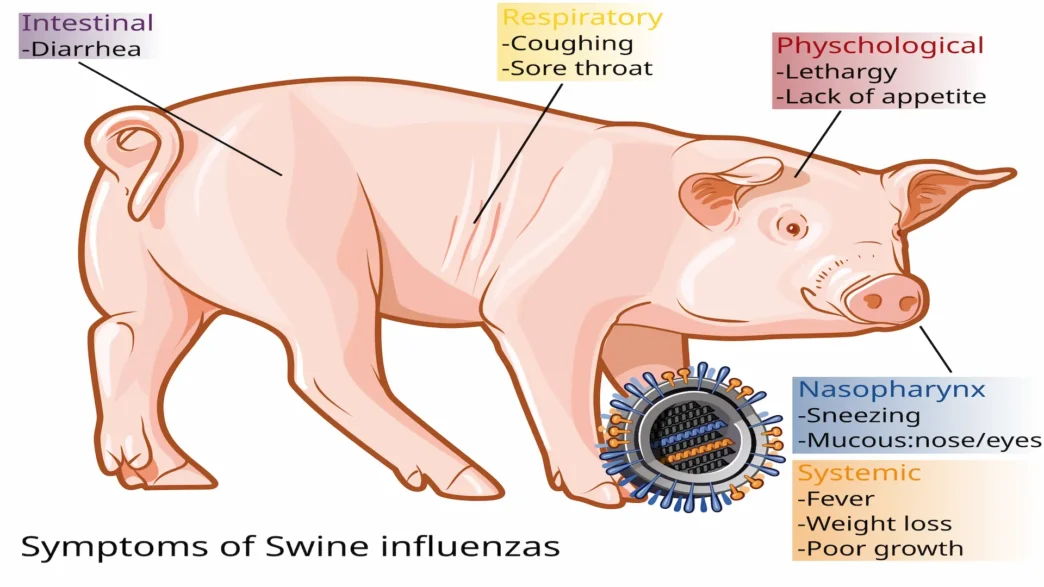
“Illustration of swine influenza symptoms (public domain). Source: U.S. National Institute of Allergy and Infectious Diseases (NIAID) via Wikimedia Commons. Licensed under Public Domain. URL: https://w.wiki/GUaF
Photo of two wild boars (Sus scrofa). Public domain. Author: Steve Hillebrand, U.S. Fish and Wildlife Service. Source: Wikimedia Commons. URL: https://w.wiki/GUaL