

 English
 Español
The escalating conflict between the United States and Iran is sending shockwaves through global oil markets, pushing fuel prices higher and exposing long-standing weaknesses in Europe’s energy supply system.
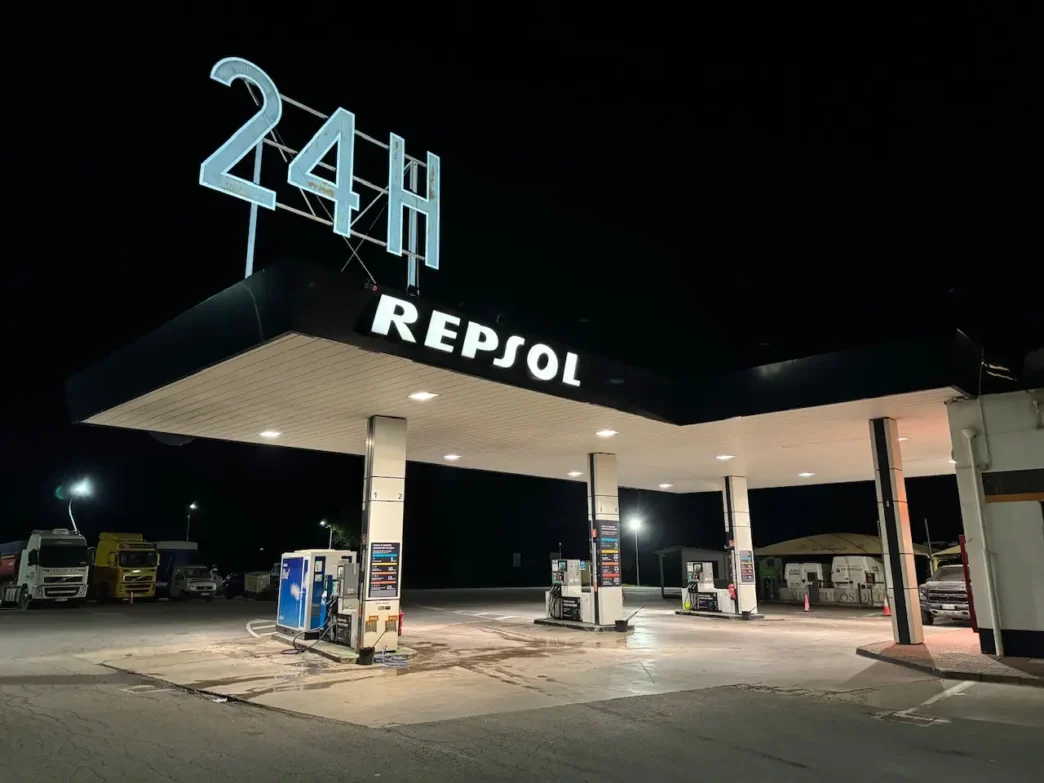
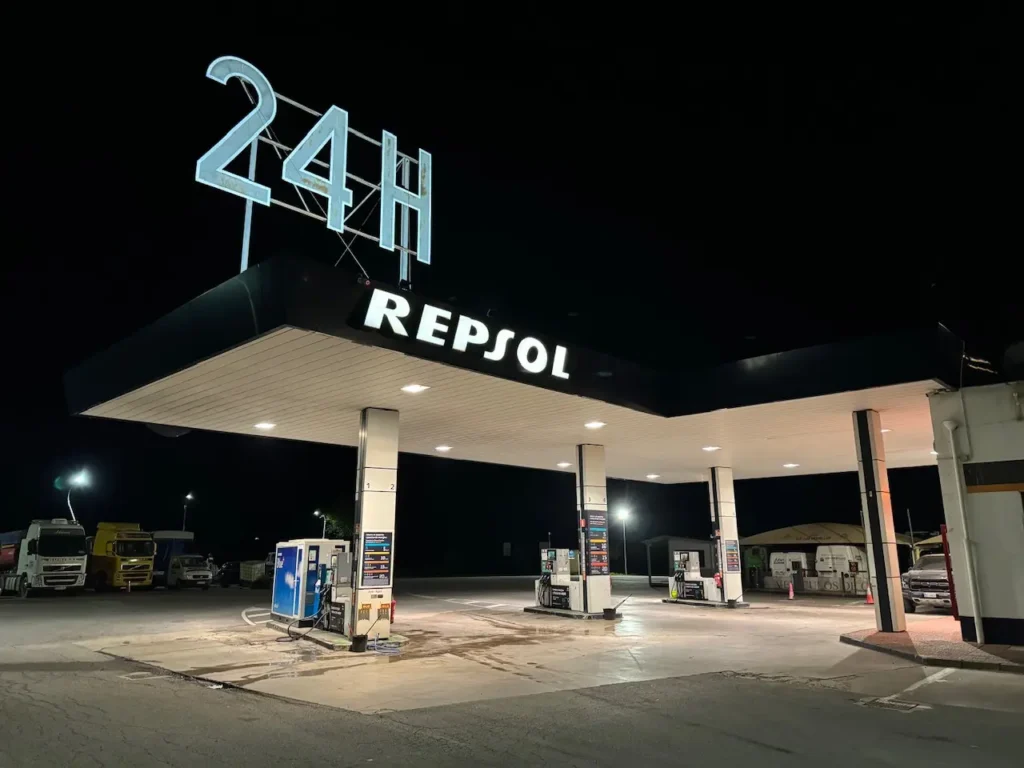
In Spain, the impact is already visible at gas stations. Diesel prices—traditionally cheaper than gasoline—have now surpassed petrol, marking a rare shift in the country’s fuel market.
The surge reflects a complex mix of geopolitical tensions, supply disruptions, and structural weaknesses in Europe’s diesel supply. While crude oil prices have risen sharply since hostilities escalated in the Middle East, the increase has been even more dramatic for refined fuels—especially diesel.

Oil Market Volatility Drives Fuel Price Surge
Global energy markets have entered a period of extreme volatility since the United States launched strikes against Iran more than a week ago, intensifying tensions across the Middle East.
The conflict has injected a significant risk premium into global oil markets, prompting traders and governments to secure supplies amid fears of further disruptions.
In just a few weeks, Brent crude oil, the main international benchmark used in Europe, has surged from about $60 per barrel to nearly $120.
Daily trading sessions have seen dramatic swings, with intraday price fluctuations approaching $30, highlighting the level of uncertainty dominating global energy markets.
However, crude oil prices are only part of the story.
For consumers filling up their vehicles, the final price depends more directly on international markets for refined fuels such as diesel and gasoline.
Recently, those markets have become heavily distorted.
“While crude oil has risen by close to 40%, gasoline prices have increased by around 10%, and diesel by about 20%,” said Inés Cardenal, communications director at the Spanish Fuel Industry Association.
According to Cardenal, global diesel prices have surged by as much as 55%, compared with 26% for gasoline and roughly 33% for Brent crude.

Diesel Prices Overtake Gasoline in Spain
The shift is already visible at Spanish service stations.
According to data from Spain’s Ministry for the Ecological Transition, diesel prices have climbed from €1.383 per liter at the beginning of the year to €1.789 per liter this week.
Gasoline 95 currently averages €1.662 per liter, meaning diesel is now clearly more expensive than gasoline.
This reversal is unusual.
For decades, diesel benefited from lower fuel taxes in Spain—around €0.10 per liter less than gasoline—which helped keep it cheaper at the pump.
But the recent diesel price surge in global markets has erased that advantage.
“When the international price of the refined product rises so sharply, the tax difference is no longer enough to keep diesel cheaper,” analysts say.
Europe’s Dependence on Imported Diesel
One of the main reasons behind the spike is Europe’s structural dependence on diesel imports.
While European refineries produce enough gasoline to be net exporters, the continent suffers from a chronic diesel shortage.
Diesel remains the dominant fuel for:
- freight transport
- logistics networks
- industrial machinery
However, European refineries cannot fully meet this demand.
As a result, the region must import large volumes of diesel, much of it from the Middle East.
This dependence leaves European energy markets highly exposed to geopolitical tensions in the region.
Low Diesel Inventories Intensify the Crisis
Another key factor driving the surge in diesel prices in Europe is the region’s limited fuel reserves.
Diesel stockpiles across Europe are significantly lower than gasoline inventories, reducing the market’s ability to absorb supply shocks.
“Low inventories mean there is very little margin for error,” said Jorge León, head of geopolitical analysis at Rystad Energy.
“When supply risks appear, prices react almost immediately.”
This is why diesel prices often rise faster than gasoline during geopolitical crises.
China’s Export Freeze Tightens Global Supply
Global supply pressures have also intensified due to decisions made far beyond Europe.
China—home to the world’s largest refining sector—recently ordered a temporary suspension of fuel exports after tensions in the Middle East escalated.
According to sources cited by Reuters, Chinese authorities instructed domestic refineries to halt overseas sales of refined fuels to protect national energy security.
Although China imports large quantities of crude oil, its massive refining capacity makes it one of the world’s largest exporters of diesel.
By limiting exports, Beijing has removed a significant amount of fuel from the global diesel market.
“The decision has considerable weight in the international fuel market,” Cardenal said.
“China plays a crucial role in balancing global diesel prices.”
Diesel’s Critical Role in the Global Economy
Another reason diesel prices rise faster than gasoline lies in how the fuel is used.
Unlike gasoline—whose demand may fall if drivers reduce discretionary travel—diesel demand is far less flexible.
The fuel powers:
- road freight transport
- construction machinery
- agriculture
- industrial production
“Diesel is the bloodstream of road freight transport and many strategic industries,” said Rafael Salas, researcher at the Institute for Energy and Climate Analysis (ICAE).
“There is no immediate substitute for many of these uses.”
Because demand remains strong even during price spikes, diesel markets react more sharply to supply disruptions.
Rising Fuel Prices Threaten Inflation
The surge in fuel prices in Spain is already feeding into the broader economy.
Since the conflict began:
- diesel prices have risen 25.6%, contributing roughly 0.5 percentage points to inflation
- gasoline prices have increased 13.2%, adding another 0.25 points
Fuel and electricity together account for roughly 7.5% of Spain’s Consumer Price Index, meaning sustained energy price increases could raise transportation costs and consumer prices across the economy.
Global Efforts to Stabilize Oil Markets
Governments and international institutions are now attempting to stabilize markets.
The International Energy Agency (IEA) has agreed to release strategic oil reserves in what officials describe as the largest intervention in its history, aiming to boost supply and ease price pressures.
Meanwhile, members of OPEC are closely monitoring the situation to determine whether production increases may be necessary.
Still, analysts warn that the outlook remains highly uncertain.
Much will depend on the duration of the Iran conflict and the stability of key energy routes such as the Strait of Hormuz, one of the world’s most important oil transit corridors.
Until geopolitical tensions ease—and Europe reduces its dependence on imported diesel—the fuel may remain the most fragile link in the global energy chain.
Photo Attribution:
https://www.lavanguardia.com/economia/
Photo Attribution:
Spain Gas Station, by DgOlsen, Creative Commons Attribution 4.0 International, Wikimedia Commons https://w.wiki/JW5u
Gasolinera Alaska Málaga, by Tyk, Creative Commons Attribution-Share Alike 4.0 Internationa, Wikimedia Commons: https://w.wiki/JGM9
Plaza de Colón, by Enrique Dans, Creative Commons Attribution 2.0 Generic, Wikimedia Commons: https://w.wiki/JGMs