Barbacid Cancer Fund Under Scrutiny After PNAS Study Retraction: What Happens to €3.6 Million in Donations?

Barbacid study retraction raises questions over €3.6M in cancer donations.
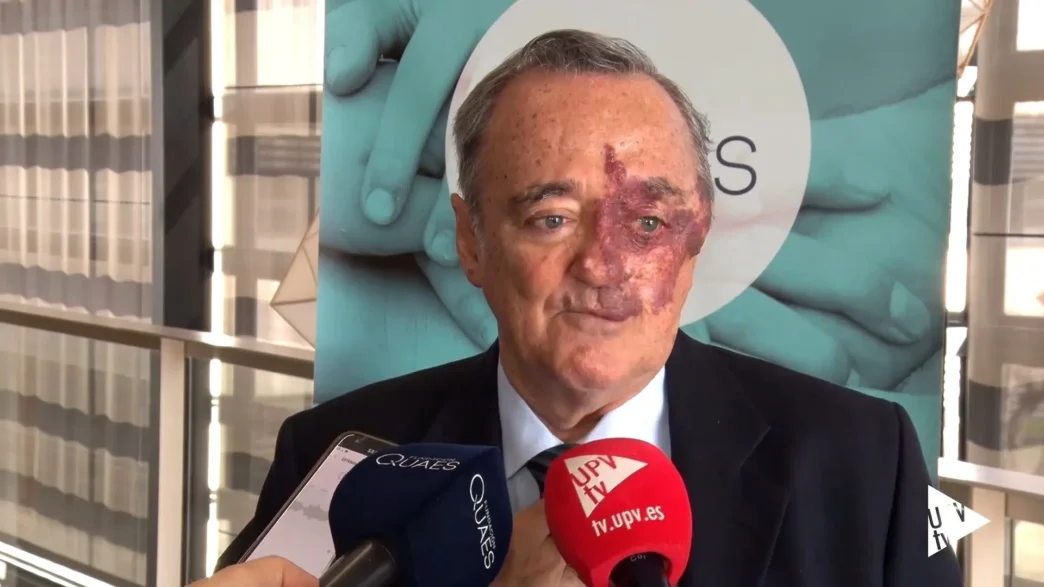
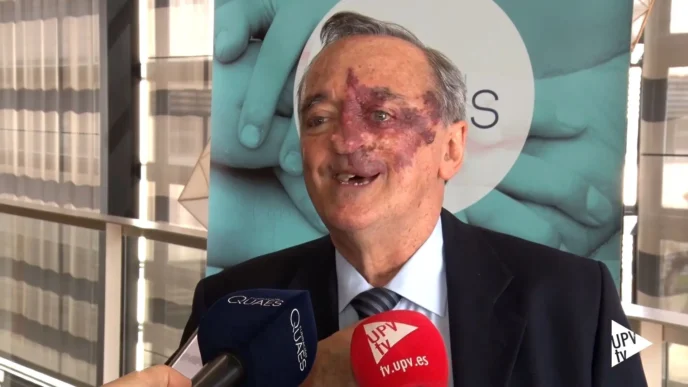
Mariano Barbacid in UPV Mariano Barbacid in UPV

What Happens to €3.6 Million After the Barbacid Study Retraction?

The retraction of a high-profile pancreatic cancer study led by Mariano Barbacid is raising serious questions about research transparency, public trust, and the fate of €3.6 million in donations collected to support the project.

The controversy follows a decision by the United States National Academy of Sciences to withdraw the research from Proceedings of the National Academy of Sciences (PNAS) due to undisclosed financial conflicts of interest linked to a biotechnology company associated with the research team.

While Barbacid and his collaborators have described the issue as a “formal matter,” the case has triggered an ethics review by the Spanish National Cancer Research Centre (CNIO). At the same time, the organization that led the fundraising campaign is evaluating how to proceed.

This latest development builds on earlier coverage, including Mariano Barbacid Pancreatic Cancer Study Retracted by U.S. Academy Over Undisclosed Conflict of Interest and Mariano Barbacid Leads CNIO Breakthrough Triple Therapy That Eliminates Pancreatic Cancer Tumors in Mice.

Where Is the €3.6 Million in Cancer Donations?

The €3.6 million raised through public fundraising remains under the control of the CRIS Cancer Foundation, which organized the campaign.

According to sources familiar with the situation, the funds have not yet been allocated and are awaiting a clearly defined scientific and technical roadmap.

However, uncertainty remains over whether the money will be directed through public research institutions like CNIO or through private channels linked to the researchers.

This uncertainty has raised concerns about accountability and transparency, particularly given the use of a publicly funded scientist’s profile to attract private donations.

CNIO Ethics Investigation: What Is at Stake?

The CNIO ethics investigation is now central to the controversy.

The institution is reviewing whether the failure to disclose financial interests constitutes a breach of its Code of Good Scientific Practices, which defines such omissions as potential scientific misconduct.

Under CNIO rules, researchers must:

  • Declare all conflicts of interest clearly
  • Justify any financial or commercial ties
  • Report non-compliance to the Scientific Committee

If violations are confirmed, the case could lead to disciplinary action, adding further consequences to the already significant reputational impact.

Researchers Respond: “A Formal Issue”

Barbacid and his team have attempted to reassure donors and the scientific community.

They maintain that the issue is procedural rather than scientific, emphasizing that the omission does not affect the validity of the research findings.

Co-author Carmen Guerra acknowledged the mistake:

“It was our error. If we had declared it, the paper would have followed a different submission process.”

The research has since been resubmitted through standard peer review channels, where independent reviewers are selected by the journal.

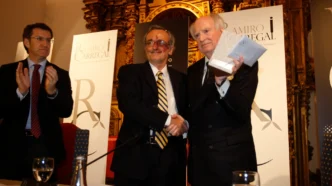
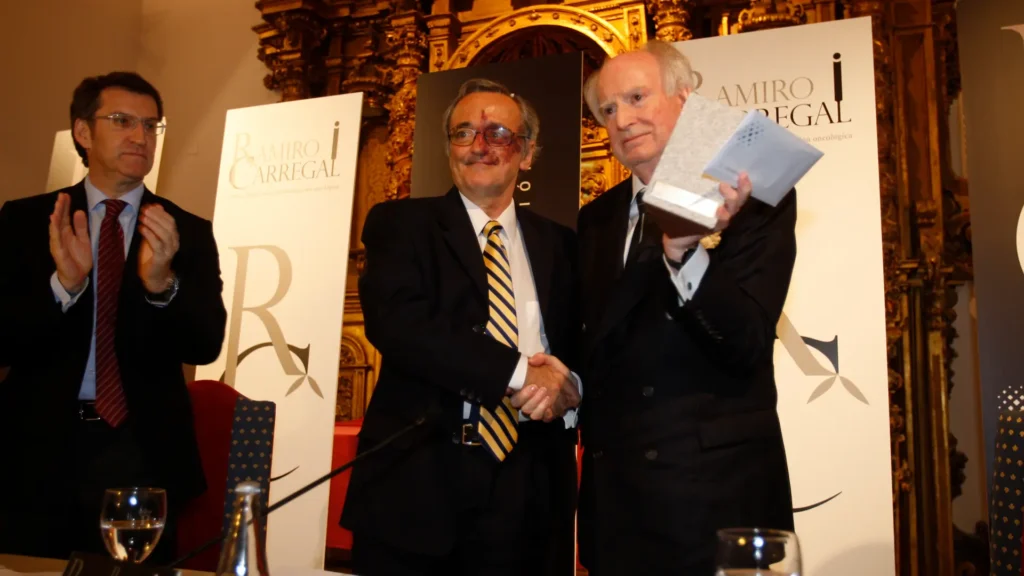
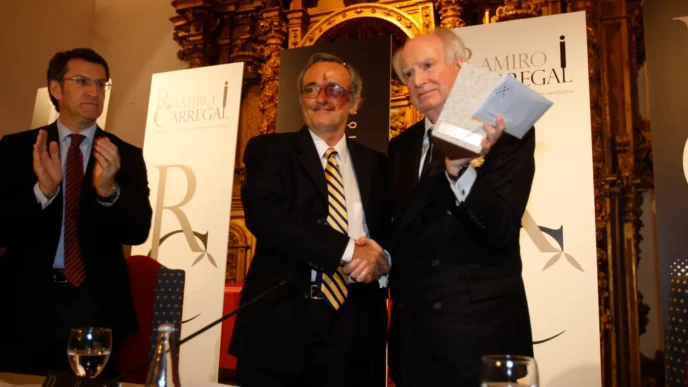
Mariano Barbacid getting a prize

Vega Oncotargets and the Conflict of Interest Debate

At the center of the controversy is Vega Oncotargets, a biotechnology company founded in 2024 to develop commercial applications of pancreatic cancer research.

Barbacid and several collaborators are co-founders and shareholders, linking the scientific findings directly to potential commercial outcomes.

Supporters argue that such companies are essential for advancing drug development, especially in early research stages.

However, critics point out that:

The combination of academic research and financial interest creates a conflict that must be fully disclosed.

Scientific Community Calls for Transparency

The case has sparked renewed debate across the scientific community.

Experts agree on one key principle:

Conflicts of interest are acceptable—but only if they are fully disclosed.

Some specialists have also called for stricter enforcement of publication rules, including potential restrictions on future submissions in major journals.

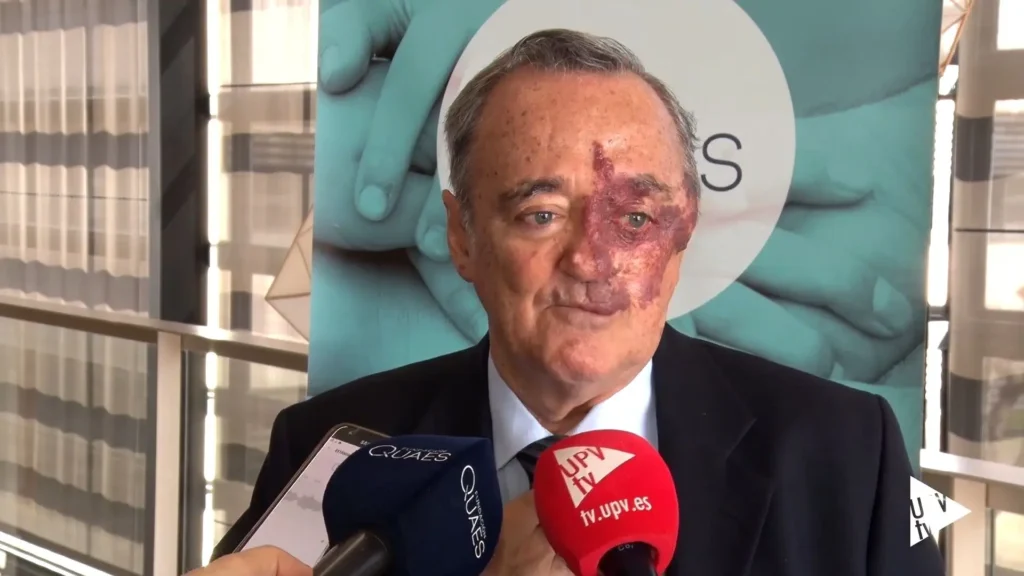
Mariano Barbacid in UPV

Public Expectations and Fundraising Concerns

The controversy has also highlighted risks in how early-stage cancer research is communicated to the public.

The original findings—based on mouse models—were widely interpreted as a potential breakthrough, leading to:

  • Hundreds of patient inquiries
  • A major fundraising campaign exceeding €3.6 million
  • Increased public expectations of near-term treatments

Experts warn that this can create false hope, particularly in diseases such as pancreatic cancer, where treatment options remain limited.

Growing Pressure on CNIO and Institutional Oversight

The case comes amid broader scrutiny of CNIO governance and transparency.

While separate from the Barbacid case, ongoing concerns about institutional practices have intensified focus on:

  • Ethical standards
  • Public accountability
  • Oversight of publicly funded research

This broader context increases the stakes of the current investigation.

What Happens Next? Key Questions Remain

Several critical questions remain unresolved:

  • How will the €3.6 million in donations be used?
  • Will CNIO confirm a breach of its ethics code?
  • Can the research be republished under full transparency?
  • Will there be disciplinary or reputational consequences?

The CRIS Cancer Foundation is expected to clarify its position soon, while CNIO continues its internal review.

A Critical Test for Research Transparency

The Barbacid pancreatic cancer controversy represents a defining moment for trust in scientific research and public funding.

While the underlying work on KRAS-targeted therapies remains scientifically relevant, the case highlights three essential priorities:

  • Full transparency in financial disclosures
  • Responsible communication of early-stage research
  • Strong ethical oversight in publicly funded science

As the situation evolves, its outcome could reshape how cancer research is funded, communicated, and regulated, particularly in high-impact areas where public expectations are high.

Information Source:

https://www.eldiario.es/sociedad/retirada-estudio-barbacid-cancer-pancreas-pasa-3-6-millones-recaudados_1_13180392.html

Photo Attribution:

Mariano Barbacid receiving the Ramiro Carregal Cancer Research Award in Santiago, Spain. Photo by Certo Xornal, licensed under Creative Commons Attribution-ShareAlike 2.0 (CC BY-SA 2.0) / via Wikimedia Commons. https://w.wiki/HeyZ

Mariano Barbacid muestra las armas contra el cancer, by UPV Área de Comunicación  Creative Commons Attribution 3.0 Unported license. Wikimedia Commons: https://w.wiki/MNZc