

 English
 Español
🌍 A major shift in global travel patterns
Global travel trends in 2026 are changing rapidly—and geopolitics is the driving force.
The ongoing Iran conflict is not only affecting regional stability but also reshaping international tourism flows. As tensions rise across parts of the Middle East, millions of travelers are rethinking their plans.
Instead of canceling trips altogether, most are doing something else:
👉 They are choosing different destinations.
And one country is seeing a clear surge in demand:
👉 Spain
✈️ Travel disruption on a global scale
The impact of the Iran conflict on travel is already visible across the aviation and tourism industries.
Airlines and governments have responded with:
- Flight cancellations and rerouting
- Airspace restrictions across sensitive regions
- Updated travel warnings and safety advisories
For travelers, this creates uncertainty—and uncertainty changes behavior.
👉 Safety has become the top priority when choosing destinations.
As a result, many tourists are actively searching:
- “Is it safe to travel to the Middle East in 2026?”
- “Where should I travel instead?”
This shift in search intent is directly influencing booking patterns.
🌐 Middle East destinations losing demand
Several major tourism hubs in the Middle East and nearby regions are already experiencing declining interest.
Among the most affected:
- Turkey
- United Arab Emirates (especially Dubai)
- Egypt
- Qatar
These countries have long been global tourism hotspots, attracting millions of visitors annually. However, even the perception of instability can quickly impact demand.
👉 Tourism is highly sensitive to geopolitical risk.
Travelers don’t wait for situations to escalate—they react early.
🇪🇸 Why tourists are choosing Spain instead
As travelers move away from uncertainty, they look for safe, accessible, and reliable alternatives.
This is where Spain stands out.
Key reasons behind the tourism shift:
- Perceived safety and political stability
- World-class tourism infrastructure
- Strong connectivity with Europe and the United States
- Diverse travel experiences (beaches, cities, culture)
👉 Travelers are not canceling—they are redirecting.
Spain is increasingly seen as a low-risk, high-reward destination, making it one of the biggest beneficiaries of current global travel disruptions.
📈 A tourism boom driven by global uncertainty
The redirection of travelers is already translating into higher demand across Spain’s tourism sector.
Key areas experiencing growth:
- Hotel bookings
- Flight demand
- Short-term rentals and holiday apartments
- Tourism-related services and experiences
This surge is reinforcing Spain’s position as one of the top global tourism destinations in 2026.
👉 In simple terms: geopolitical instability elsewhere is driving tourism growth here.
⚠️ The downside: overtourism and rising costs
However, this sudden increase in demand is not without consequences.
Spain is already dealing with structural challenges linked to tourism, and the current surge is intensifying them:
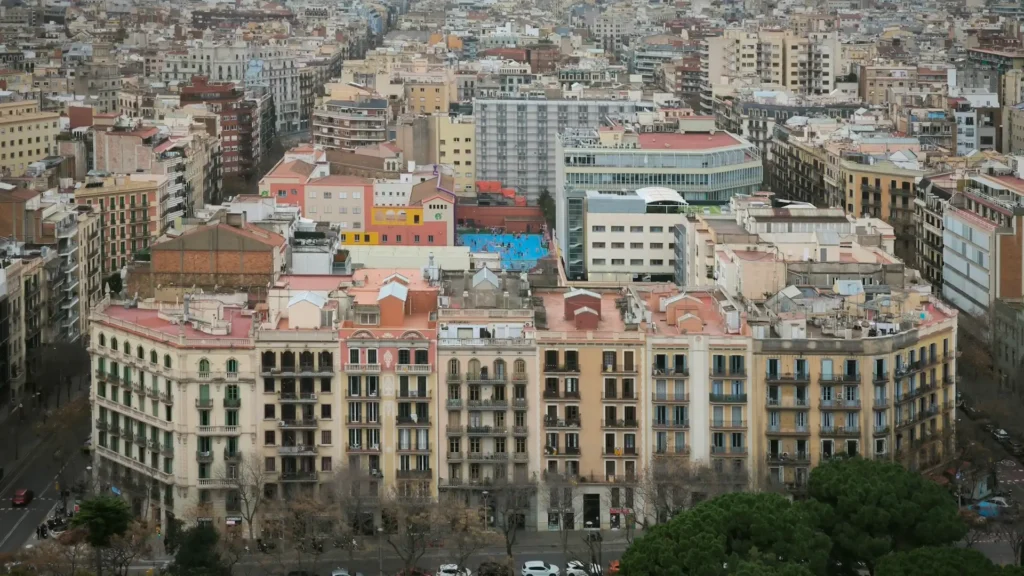
- Overcrowding in major cities and coastal areas
- Rising accommodation prices
- Pressure on local housing markets
- Growing concerns about sustainability
👉 The tourism boom is closely linked to Spain’s ongoing housing crisis.
🔁 A familiar global tourism pattern
What’s happening now is not new.
Historically, tourism flows shift quickly in response to geopolitical events.
When one region becomes unstable, demand moves elsewhere.
This pattern has been seen before in:
- The Arab Spring
- Regional conflicts in North Africa
- Security concerns in parts of Asia
👉 And in many of those cases, Spain emerged as a key alternative destination.
🧭 The psychology behind traveler decisions
Understanding this shift also requires looking at traveler behavior.
Modern tourists are:
- More informed
- More risk-aware
- More flexible
They monitor:
- News cycles
- Travel advisories
- Airline updates
👉 Even perceived risk—not actual danger—can change travel decisions.
This explains why countries not directly involved in conflict can still experience tourism declines.
🔮 What happens next?
The future of global travel trends will depend on several key factors:
- Duration and escalation of the Iran conflict
- Global economic conditions
- Fuel prices and airline costs
- Government travel policies and restrictions
If tensions continue, the shift toward Southern Europe destinations like Spain, Portugal, and Italy could become more permanent.
👉 This could redefine tourism patterns not just in 2026—but for years to come.
❓ FAQs: Travel and global conflict
Why are tourists avoiding the Middle East?
Safety concerns, flight disruptions, and uncertainty are the main drivers behind declining demand.
Which countries are benefiting the most?
Spain, Portugal, and Italy are emerging as top alternatives due to safety and accessibility.
Is Spain becoming overcrowded?
Yes—especially in major cities and coastal tourist hotspots during peak seasons.
Will travel prices increase in 2026?
Higher demand combined with rising fuel costs suggests continued price increases.
Is this tourism shift temporary or long-term?
It depends on geopolitical developments, but many shifts tend to last longer than expected.
🌍 A global tourism reset
The Iran conflict is reshaping global travel patterns in real time.
What we are seeing is not just a temporary disruption—but a reconfiguration of tourism flows worldwide.
And once again:
👉 Spain finds itself in a strategic position to benefit.
As travelers continue to prioritize safety, stability, and experience, destinations that meet those criteria will dominate the global tourism landscape.
Information Source:
https://www.euronews.com/travel/
Photo Attribution:
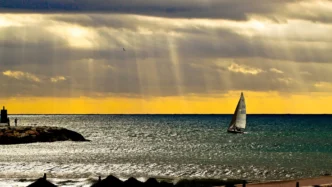
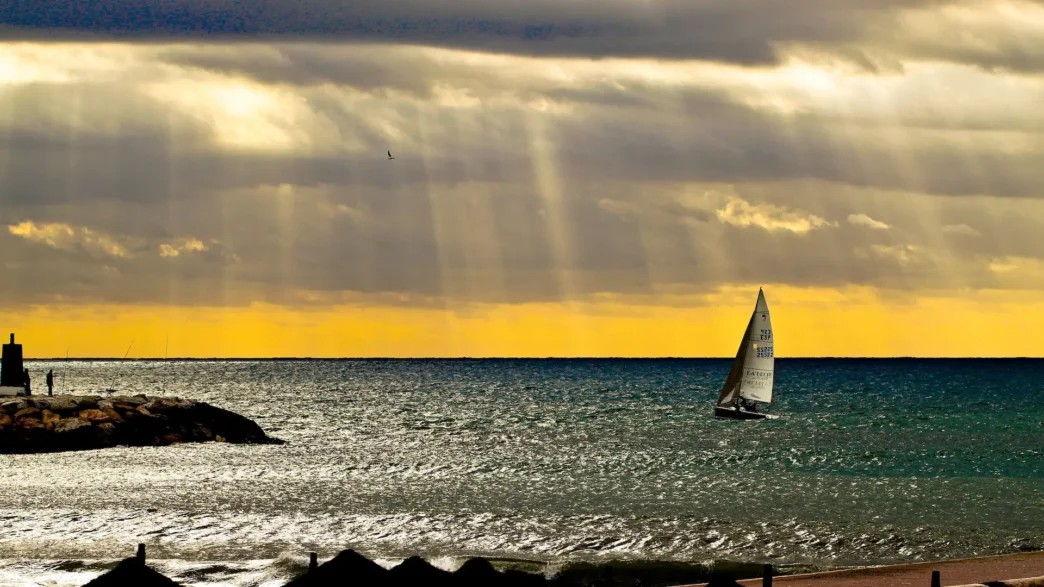
Sailing at Marbella, Spain, by Stephen Heron Creative Commons Attribution-Share Alike 2.0 Generic license. Wikimedia Commons: https://w.wiki/KLGs
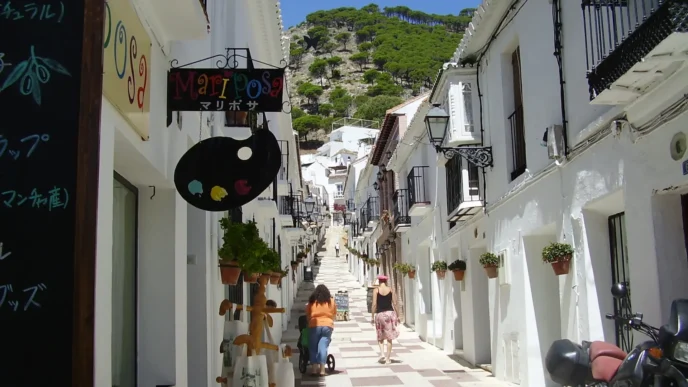
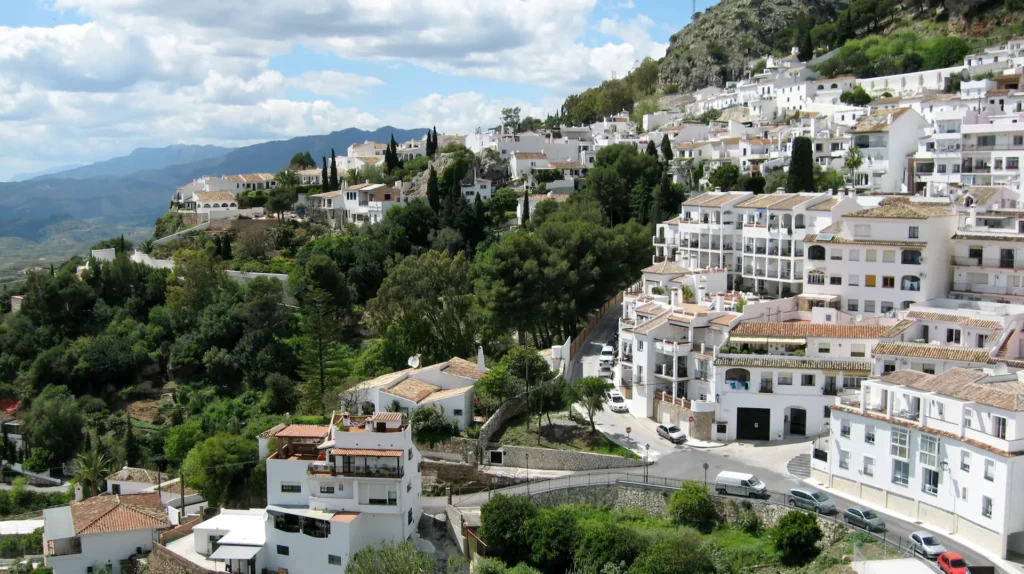
Mijas 10, by Olaf Tausch, Creative Commons Attribution 3.0 Unported license. Wikimedia Commons:https://w.wiki/KEwy
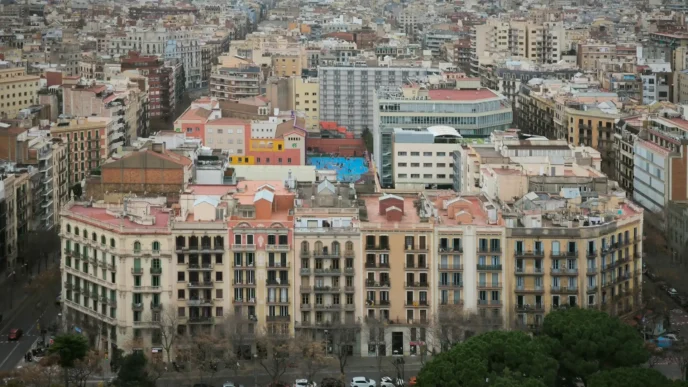
Plaça Sagrada Família, house 1 to 7 Barcelona, Spain, by Reda Kerbouche, Creative Commons Attribution-Share Alike 4.0 International license, Wikimedia Commons https://w.wiki/KCz9
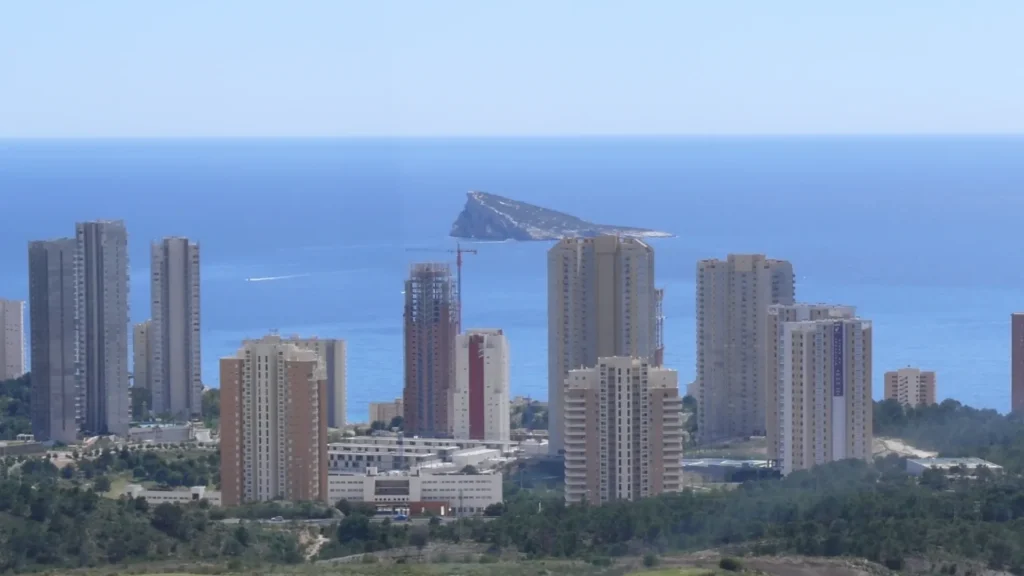
Skyline of Benidorm by Ad Meskens, via Wikimedia Commons, licensed under CC BY-SA 3.0.
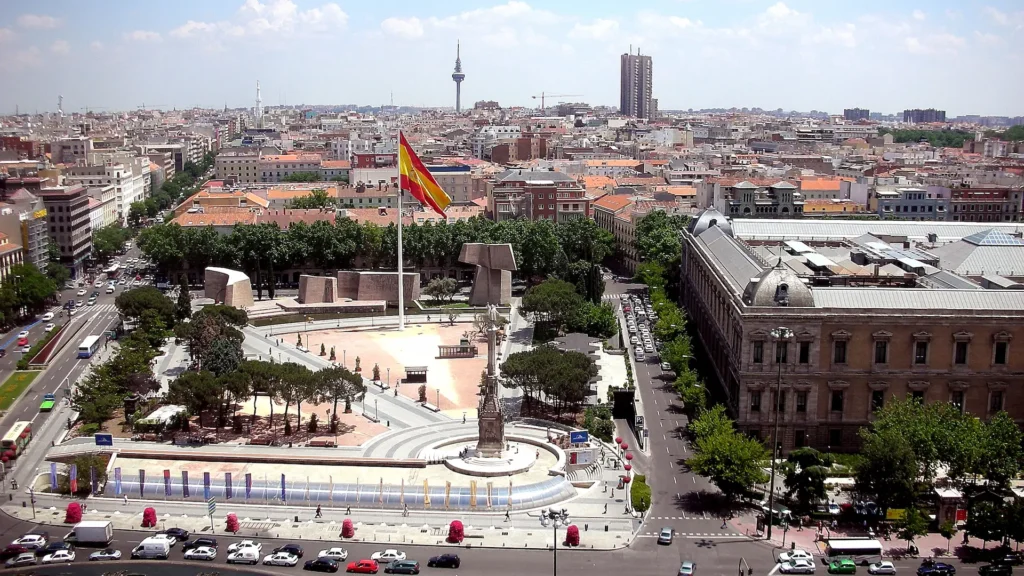
Plaza de Colón, by Enrique Dans, Creative Commons Attribution 2.0 Generic, Wikimedia Commons: https://w.wiki/JGMs
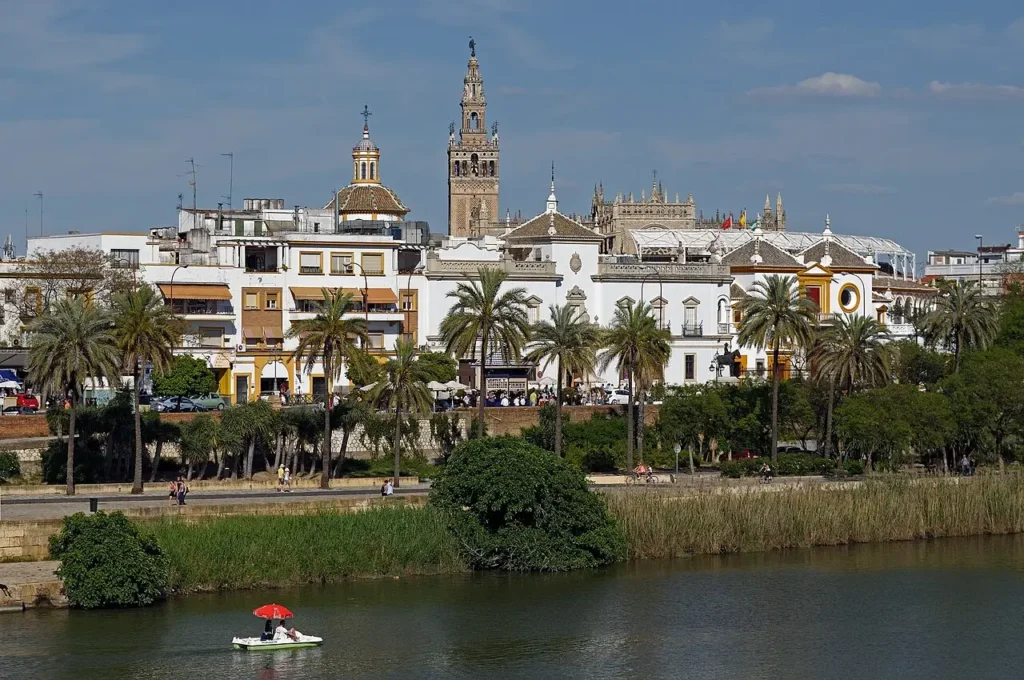
The Guadalquivir embankment in Seville. Spain, by Ввласенко Creative Commons Attribution-Share Alike 3.0 Unported license. Wikimedia Commons: https://w.wiki/KFLN
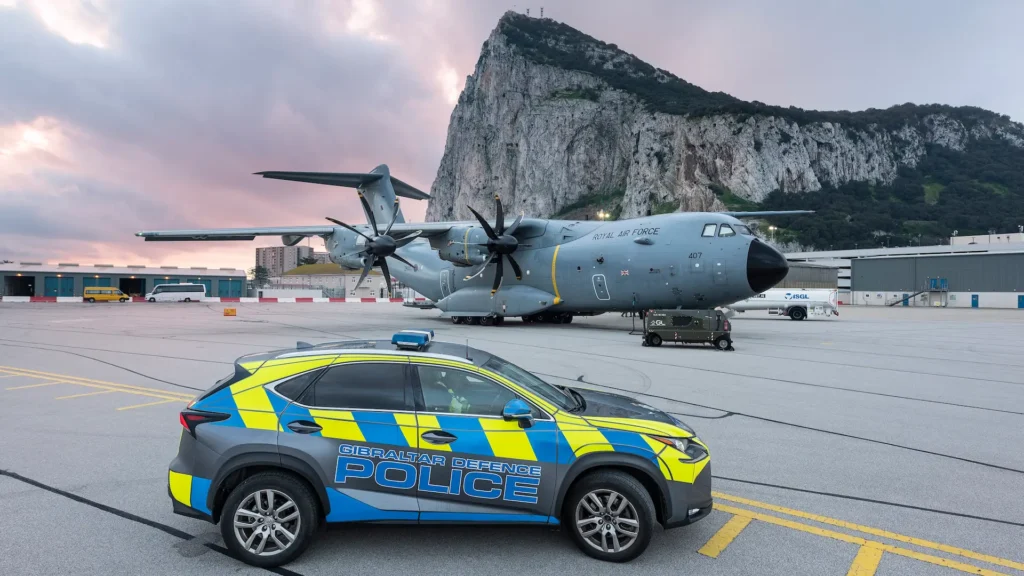
Imagen: RAF Gibraltar A400M durante la Operación Newcombe.
Autor: UK Ministry of Defence (Open Government Licence v1.0).
Fuente: Wikimedia Commons. https://w.wiki/J2Ms