

 English
 Español
🔴 Breaking news: Spain accepts WHO request as Canary Islands push back
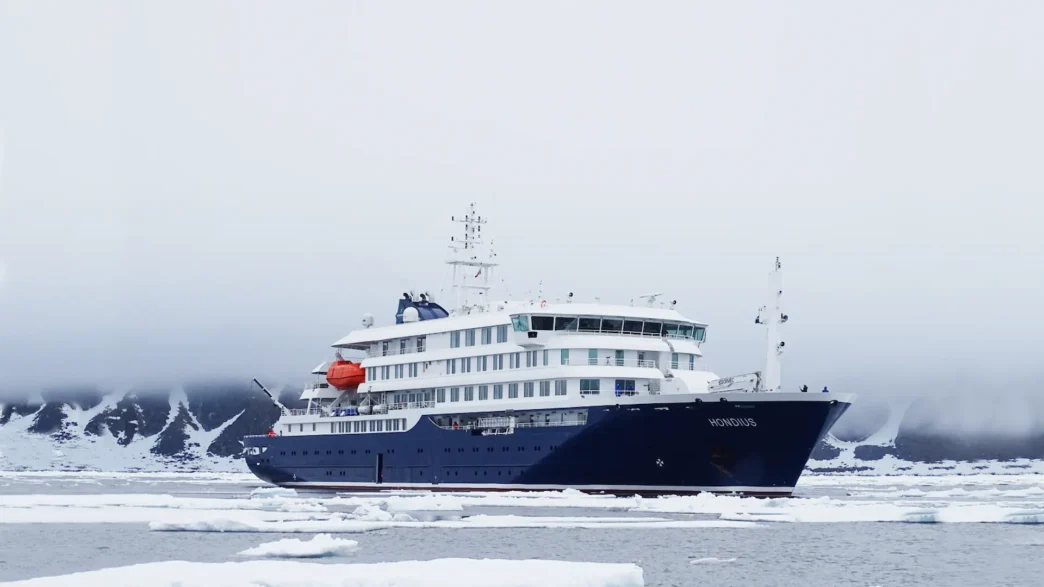
The crisis surrounding the MV Hondius hantavirus cruise ship has escalated into a major health and political conflict in Europe, as Spain moves forward with plans to allow the vessel to dock in the Canary Islands following a formal request from the World Health Organization.
According to official information, the WHO has urged Spain to facilitate the arrival of the ship, citing both international obligations and humanitarian concerns. The organization stressed the need to allow passengers and crew to disembark under controlled conditions and receive appropriate medical care.
However, this decision has triggered strong resistance from Canary Islands authorities, who argue that the plan lacks sufficient technical justification and transparency.
At least three people have died in connection with the outbreak, and several more cases — confirmed and suspected — are under medical monitoring. Some patients have already been evacuated to other countries, including the Netherlands, while others remain onboard as the ship prepares to head towards Spanish territory.
👉 The situation is evolving rapidly, but one key question dominates the debate: why are the Canary Islands refusing to accept the MV Hondius?
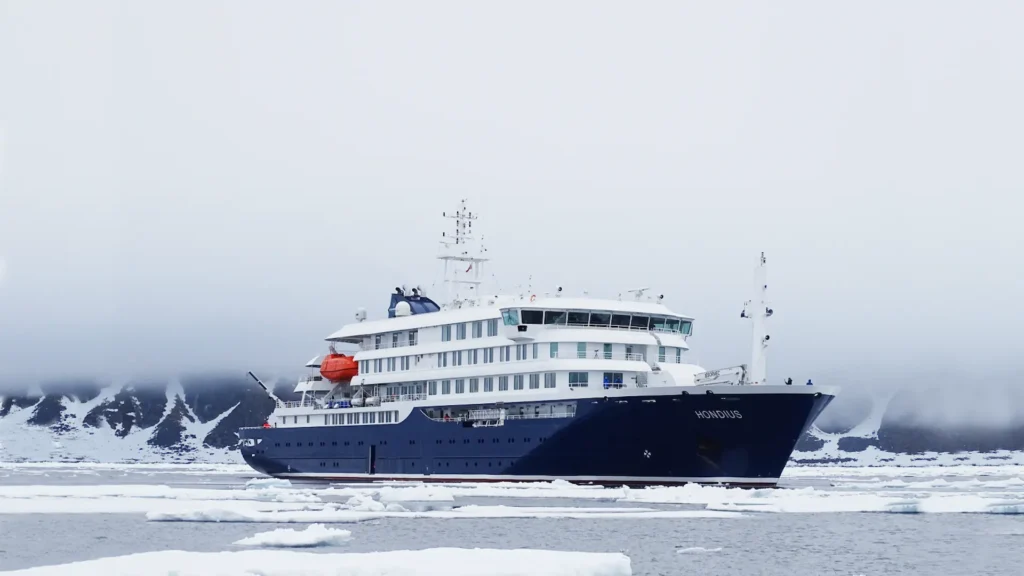
🧠 Why are Canary Islands resisting the MV Hondius docking?
The opposition from regional authorities is not based on a single factor, but on a combination of health concerns, logistical challenges, and political tensions.
⚠️ 1. Concerns over safety and lack of clear information
The president of the Canary Islands has openly rejected the docking plan, warning that the decision does not appear to be based on clear technical criteria and that authorities currently lack sufficient information to guarantee public safety.
This uncertainty is one of the main drivers of resistance. Local officials argue that without full transparency on:
- the number of cases
- the level of contagion risk
- and the exact health protocols
👉 it is impossible to send a message of reassurance to the population.
🏥 2. Pressure on healthcare capacity and emergency response
Another key concern is whether the islands are fully prepared to manage a complex health operation involving infected and high-risk passengers.
Although Spain has stated that:
- passengers will be handled under strict medical protocols
- transfers will occur in controlled environments
- and there will be no direct contact with the general population
👉 regional authorities remain cautious, particularly given the potential need for:
- hospital isolation units
- intensive care resources
- coordinated emergency logistics
🌍 3. Economic and tourism impact fears
The Canary Islands are one of Europe’s most important tourist destinations, and local leaders are acutely aware of the potential reputational and economic consequences.
The arrival of a cruise ship linked to a virus outbreak could:
- generate international headlines
- trigger cancellations
- damage the perception of safety
👉 Even if the actual health risk is low, the economic impact could be immediate.
⚖️ 4. Political tension with the Spanish government
Beyond health concerns, the situation has evolved into a clear institutional conflict.
Regional authorities have criticized what they see as:
- a lack of prior consultation
- insufficient communication from central government
- and a top-down decision influenced by international pressure
The request from the WHO — including a direct appeal to the Spanish Prime Minister — has added urgency to the situation, but also increased tensions between national and regional administrations.
👉 The Canary Islands government has even requested an urgent meeting to reassess the decision.
🦠 5. The hantavirus factor: risk vs reality
Part of the debate also revolves around the actual risk posed by hantavirus.
Experts emphasize that:
- transmission between humans is extremely rare
- the overall risk to the general population is considered low
- outbreaks are typically linked to specific exposure events, often involving rodents
However, the situation on the MV Hondius is more complex because:
- multiple cases have been detected
- a specific strain linked to possible human transmission has been identified
- and several passengers are in vulnerable health conditions
👉 This combination of uncertainty and severity is enough to justify caution from local authorities.
⚠️ What happens next?
The MV Hondius is expected to head towards the Canary Islands in the coming days, although:
- the exact port of arrival is still under discussion
- operational protocols are still being finalized
- and negotiations between authorities are ongoing
Spain has reaffirmed its willingness to cooperate, highlighting its legal and humanitarian responsibility, while international organizations continue to coordinate the response.
At the same time, regional resistance remains firm, making the final outcome far from certain.
🧾 More than a health crisis
The MV Hondius hantavirus cruise ship crisis is no longer just a medical emergency — it has become a test of coordination, governance, and crisis management in Europe.
👉 At its core, the conflict reflects a difficult balance between:
- humanitarian responsibility
- public health precaution
- and regional political autonomy
As the ship approaches European waters, the key issue is no longer just whether it will dock — but how authorities manage the risks, the communication, and the public response.
Because in this case, perception may be just as important as reality.
Information Source:
https://www.eldiario.es/sociedad/
https://www.rtve.es/noticias/20260506/
Photo Attribution:
MV Hondius, by Fdesroches Creative Commons Attribution-Share Alike 4.0 International license. Wikimedia Commons https://w.wiki/MmM9