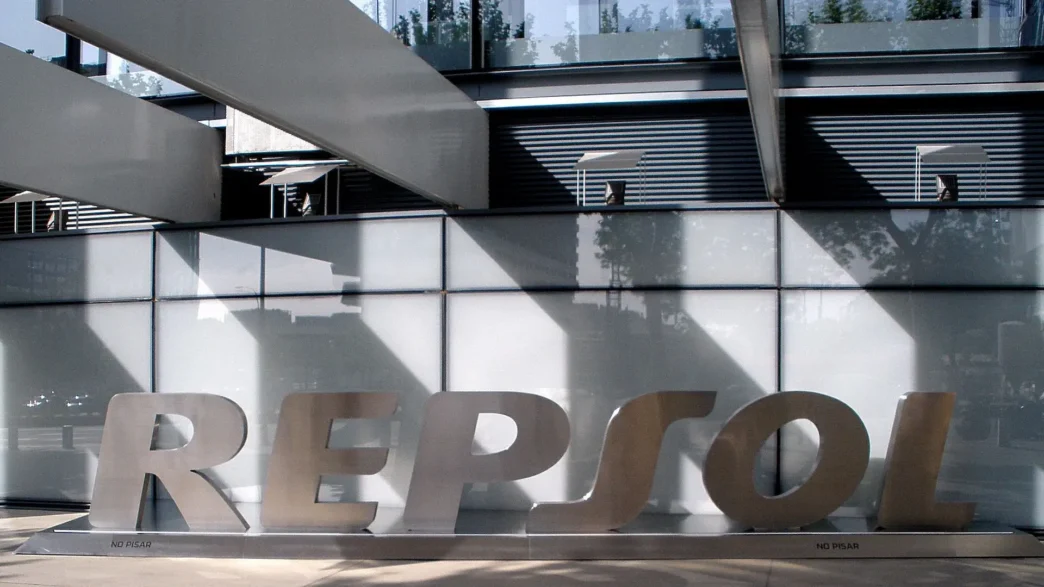
As a major Spanish multinational energy company, Repsol plays a key role in Spain’s energy security strategy, particularly during periods of international instability affecting fuel markets across Europe.
Iran Conflict Drives Oil Prices and Boosts Inventory Gains
The surge in profitability is closely linked to the escalation of the Iran conflict, which has intensified concerns over global energy supply disruptions and pushed oil prices higher across international markets.
A key driver of earnings was a €593 million inventory gain, reflecting the rising value of stored crude oil and refined petroleum products.
This accounting effect highlights a broader industry trend: when oil prices rise sharply due to geopolitical shocks, energy companies with large refining and storage operations can experience significant short-term financial upside.
Adjusted Earnings Show Strong Core Business Performance
Beyond inventory gains, Repsol’s underlying performance also improved significantly.
The company reported adjusted net income of €873 million, up 57% year-on-year, while adjusted EBITDA more than doubled to €2.613 billion.
These results reflect stronger refining margins, improved trading performance, and higher global fuel prices driven by supply uncertainty.
Repsol stated that its results were shaped by “volatility in the global environment following the outbreak of the conflict in Iran,” which has led to supply chain disruptions and increased energy price fluctuations worldwide.
The company invested €1.2 billion in crude oil inventory expansion during the quarter, ensuring stable supply for Spain and European markets.
This strategy aligns with broader European concerns over energy security in Spain and the EU, particularly as geopolitical instability continues to affect global oil flows.
Repsol emphasized its diversified supply chain strategy and its commitment to maintaining “continuity of energy supply” while managing volatility in global oil markets.
To help mitigate this pressure, Repsol implemented €35 million in fuel discounts, aiming to support consumers while maintaining demand stability at its service stations.
At the same time, the company is increasing production of aviation fuel, planning a 15% to 20% rise in kerosene output across its Spanish refineries ahead of the summer travel season.
Industrial division: Strong performance with €440 million in earnings, driven by higher refining margins reaching $10.9 per barrel
Exploration and Production: Down 5.3% to €302 million due to lower output and currency effects
Customer division: Stable at €160 million supported by fuel retail demand
Low-Carbon Generation: €4 million loss due to weak electricity prices in Spain
This mixed performance reflects the transition challenges facing European energy companies balancing traditional oil operations with low-carbon investments.
Strong Cash Flow and Financial Stability
Repsol generated €1.042 billion in operating cash flow, rising to approximately €2.4 billion excluding working capital effects.
Net debt stood at €4.8 billion, with a leverage ratio of 14.3%, indicating financial stability despite increased investment activity.
The company continues to prioritize shareholder returns, including:
€0.50 dividend paid in January
€0.551 dividend planned for July
€0.530 dividend scheduled for 2027
€350 million share buyback program launched in 2026
Repsol remains a major contributor to Spain’s public finances and energy system stability.
The company reported €3.35 billion in total tax contributions, with 73% generated in Spain, largely from fuel-related taxes.
This reinforces its position as a critical player in both Spain’s energy infrastructure and national fiscal system during periods of global volatility.
CEO Commentary on Geopolitical Energy Risks
Repsol CEO Josu Jon Imaz highlighted the impact of geopolitical instability on global energy markets:
“In an increasingly complex and volatile geopolitical context, we remain focused on ensuring supply security through disciplined operations while continuing to provide reliable energy to our customers.”
His remarks underline the strategic challenge facing European energy companies as they navigate geopolitical risk, energy transition pressures, and market volatility.
Outlook: Oil Prices, Geopolitics, and Energy Market Uncertainty
Repsol’s performance illustrates how deeply interconnected global energy markets have become.
Even companies outside conflict zones are directly impacted by geopolitical shocks such as the Iran conflict, which continues to influence:
Global oil prices
Fuel costs in Europe
Energy supply chain stability
Corporate profitability in the oil sector
While higher oil prices have boosted short-term earnings, they also increase economic pressure on consumers and governments, particularly in energy-importing regions such as Europe.
Looking ahead, continued volatility in crude oil markets, combined with geopolitical instability and the long-term energy transition, is expected to keep pressure on the global energy sector.
For Repsol, the challenge will be balancing profitability, energy security, and strategic investment in a rapidly shifting global landscape.


 English
 Español