

 English
 Español
A retraction that sparked confusion—but did the science actually change?
The recent retraction of a pancreatic cancer study led by Spanish scientist Mariano Barbacid has triggered widespread debate in the scientific community and beyond.
But one key question is driving most of the public attention:
If the paper was retracted by PNAS, does that mean the pancreatic cancer results are no longer valid?
The short answer, according to the journal’s own explanation and multiple scientific experts, is no—the experimental results have not been invalidated.
The decision by the Proceedings of the National Academy of Sciences (PNAS) to retract the study was based on procedural and transparency issues, not on errors in the laboratory work or the scientific conclusions.
This clarification is essential to understanding a case that has already been widely discussed in earlier coverage, including:
Why the PNAS Study Was Retracted
On April 28, 2026, PNAS formally retracted the study authored by Mariano Barbacid and his team at the Spanish National Cancer Research Centre (CNIO).
The journal stated the reason clearly:
Importantly, PNAS did not cite any problems with:
- Experimental design
- Data integrity
- Statistical analysis
- Biological conclusions
Instead, the issue was strictly related to how the paper was submitted and declared during the publication process.
So What Did the Study Actually Show?
Before its removal, the study attracted global attention for its findings in mouse models of pancreatic cancer.
The research focused on a triple therapy approach targeting KRAS, one of the most important cancer-driving mutations in pancreatic tumors.
The combination included:
- Daraxonrasib (Revolution Medicines)
- Afatinib (Boehringer Ingelheim)
- SD-36 (University of Michigan compound)
In preclinical experiments, the researchers reported:
- Significant tumor regression
- In some cases, complete tumor disappearance in mice
- Reduced tumor resistance over time
These results were obtained in both genetically engineered mouse models and human tumor graft models.
However, experts repeatedly emphasized one critical point:
These findings are preclinical and do not translate directly into human treatment.
Does Retraction Mean the Results Are Wrong?
This is where most of the confusion arises.
In scientific publishing, a retraction does not always mean fraud or invalid science.
There are several possible reasons for retraction:
- Data fabrication or falsification
- Major methodological errors
- Plagiarism
- Ethical violations
- Breach of journal submission rules
In this case, the Barbacid study falls into the last category.
The issue was not what the study found—but how the study was submitted under journal rules regarding conflicts of interest.
Experts emphasize that this distinction is crucial:
The results of the mouse experiments have not been refuted by any scientific authority or independent replication failure.
The Role of Vega Oncotargets
At the center of the controversy is Vega Oncotargets, a biotechnology company founded in 2024.
The company was created to develop cancer therapies based on research from the CNIO group led by Barbacid.
According to available information, the researchers involved:
- Hold ownership stakes in the company
- Are involved in its scientific direction
- Are linked to future patent applications
The problem identified by PNAS was not the existence of the company itself, but the lack of disclosure at the time of submission, combined with the use of a publication pathway that allows influence over peer reviewer selection.
What Happens to the Study Now?
The study has not disappeared scientifically.
It has been:
- Resubmitted to PNAS
- Sent through the standard “direct submission” route
- Assigned to independent reviewers selected by the journal
This means the paper will be evaluated again, but this time under stricter procedural independence.
If accepted, it can be republished with:
- Full conflict of interest disclosure
- Standard peer review validation
- Transparent editorial oversight
In other words:
The science is being re-evaluated procedurally, not scientifically invalidated.
What Experts Say About the Case
Several experts have weighed in on the implications of the retraction.
Scientific integrity specialists highlight that:
Conflicts of interest are not unusual in biomedical research, especially in translational cancer science where academic work often leads to spin-off companies.
However, the key issue is transparency.
As one researcher summarized:
“Having a conflict of interest is not the problem. Not declaring it is.”
Other analysts argue that PNAS acted correctly because academic members are held to stricter disclosure standards, particularly when they can influence reviewer selection.
Why This Matters for Cancer Research
Beyond the specific case, the controversy highlights a broader issue in modern oncology research:
- Academic science increasingly overlaps with biotech commercialization
- Early-stage breakthroughs attract major public attention
- Research findings are often communicated before clinical validation
In pancreatic cancer research especially, this creates a sensitive environment.
The disease remains one of the most lethal cancers globally, with limited treatment options and low survival rates.
That context increases both:
- Scientific urgency
- Public expectations
Which makes clear communication even more critical.
Public Reaction and Funding Questions
The original study also had a major public impact.
It contributed to:
- High media visibility
- Patient inquiries about treatment access
- A fundraising campaign exceeding €3.6 million
The CRIS Cancer Foundation, which led the fundraising effort, is currently reviewing how those funds will be allocated.
Key questions remain open:
- Will funding continue to support the same research line?
- Will it be redirected to new validation studies?
How will transparency be ensured going forward?
The Key Takeaway: What Has Actually Changed?
Despite the retraction, the core scientific situation remains:
- The mouse experiments were conducted
- The reported biological effects still exist in the dataset
- No scientific body has declared the results incorrect
- The paper was removed due to publication process violations, not scientific failure
What has changed is the status of the published article, not the underlying laboratory findings.
Conclusion: Retraction, Not Reversal
The Mariano Barbacid PNAS case is a clear example of how scientific publishing rules and scientific results are not always the same thing.
A retraction can signal many different issues—but in this case, it reflects:
a failure of disclosure and publication procedure, not a rejection of the experimental science.
As the study moves through a new peer review process, the scientific community will ultimately reassess the work under full transparency.
For now, the key distinction remains:
The paper was retracted. The results were not disproven.
❓ Frequently Asked Questions
1. Does the PNAS retraction mean the pancreatic cancer results are invalid?
No. The PNAS retraction does not invalidate the experimental results. It was issued due to a conflict of interest disclosure issue, not because of errors in the data, methodology, or conclusions of the study.
2. Why was Mariano Barbacid’s study retracted by PNAS?
The study was retracted because the authors did not properly disclose their financial ties to Vega Oncotargets, a biotechnology company linked to the research. This violated PNAS publication rules regarding conflicts of interest.
3. What did the Barbacid pancreatic cancer study actually show?
The study reported that a triple therapy targeting KRAS produced strong tumor regression in mouse models of pancreatic cancer. These are preclinical results, meaning they have not yet been tested in humans.
4. Can the study still be republished?
Yes. The authors have resubmitted the study through the standard peer-review process with full disclosure of conflicts of interest. It may be published again if it passes independent review.
5. Does a scientific retraction always mean fraud?
No. A retraction can happen for several reasons, including ethical, procedural, or disclosure issues, not only fraud or incorrect data. In this case, the issue is related to transparency in publication, not scientific validity.
Information Source:
https://www.lasexta.com/noticias/
Photo Attribution:
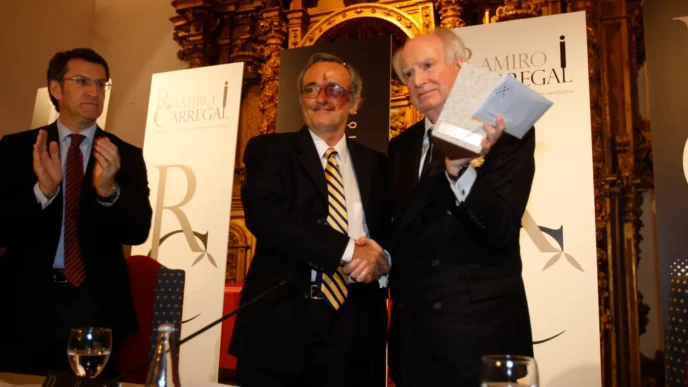
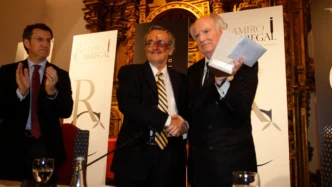
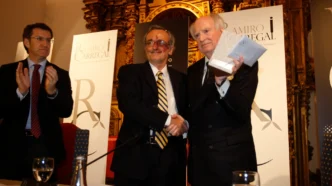
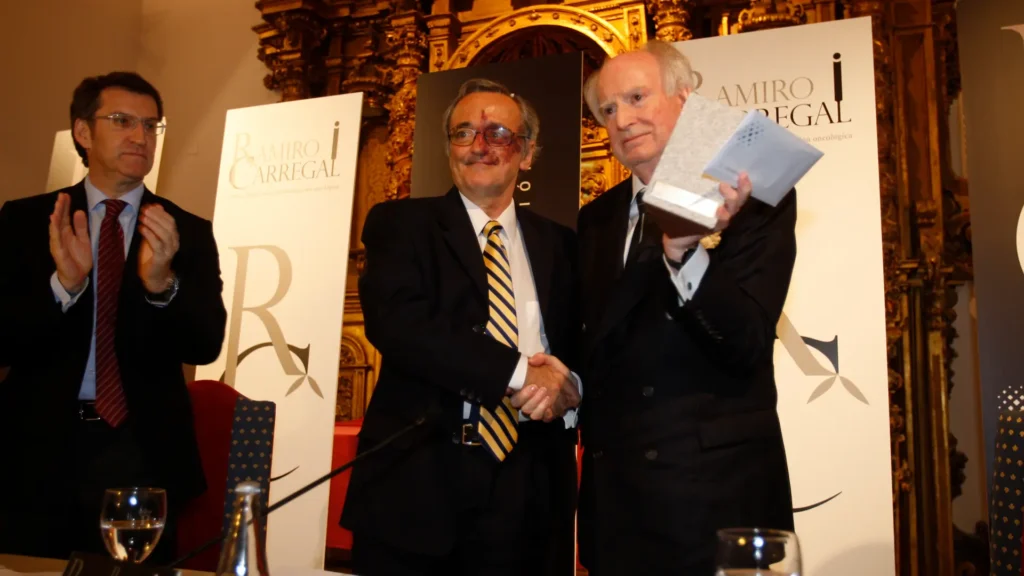
Mariano Barbacid receiving the Ramiro Carregal Cancer Research Award in Santiago, Spain. Photo by Certo Xornal, licensed under Creative Commons Attribution-ShareAlike 2.0 (CC BY-SA 2.0) / via Wikimedia Commons. https://w.wiki/HeyZ
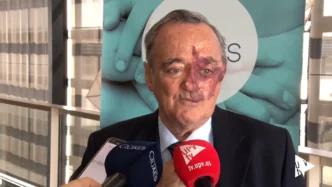
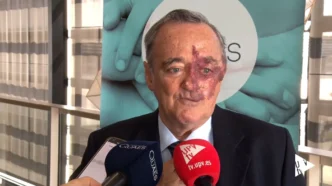
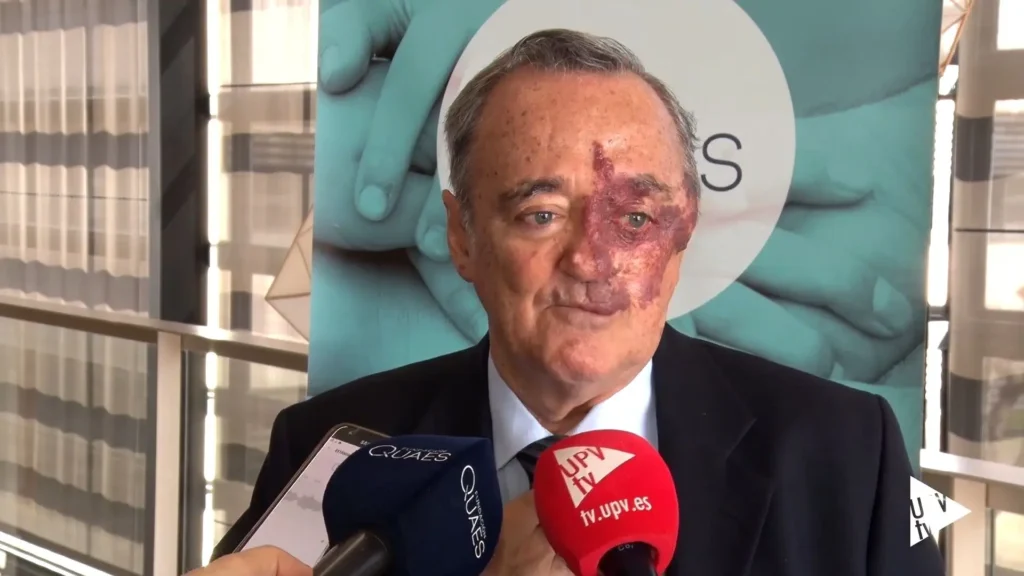
Mariano Barbacid muestra las armas contra el cancer, by UPV Área de Comunicación Creative Commons Attribution 3.0 Unported license. Wikimedia Commons: https://w.wiki/MNZc
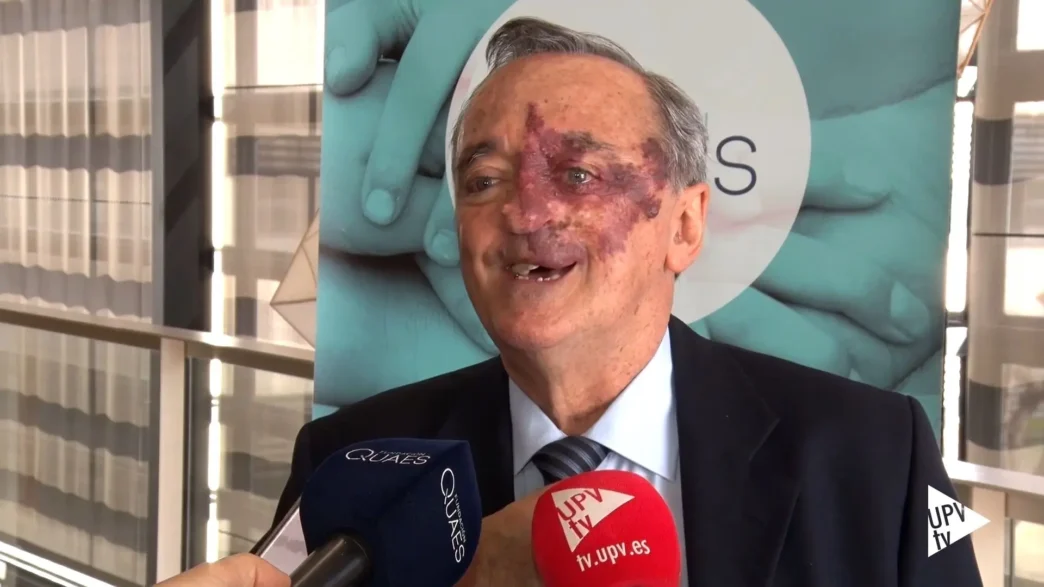
Mariano Barbacid muestra las armas contra el cancer, by UPV Área de Comunicación Creative Commons Attribution 3.0 Unported license. Wikimedia Commons: https://w.wiki/MQyM