

 English
 Español
Two of Spain’s largest hotel companies, Meliá Hotels International and Iberostar, are reducing their presence in Cuba after growing pressure from the United States.
The moves mark one of the biggest shifts in Cuba’s tourism sector in years and could have wider implications for foreign investment on the island.
The developments come as Washington increases pressure on companies operating properties linked to assets nationalised after the Cuban Revolution.
What happened?
Within days of each other, Iberostar and Meliá announced significant changes to their hotel operations in Cuba.
Iberostar confirmed it would stop managing a large number of hotels on the island.
Shortly afterwards, Meliá revealed it would also withdraw from the management of multiple Cuban properties.
Together, the two Spanish hotel groups are ending management agreements affecting roughly two dozen hotels.
The decisions follow mounting legal and political pressure from the United States.
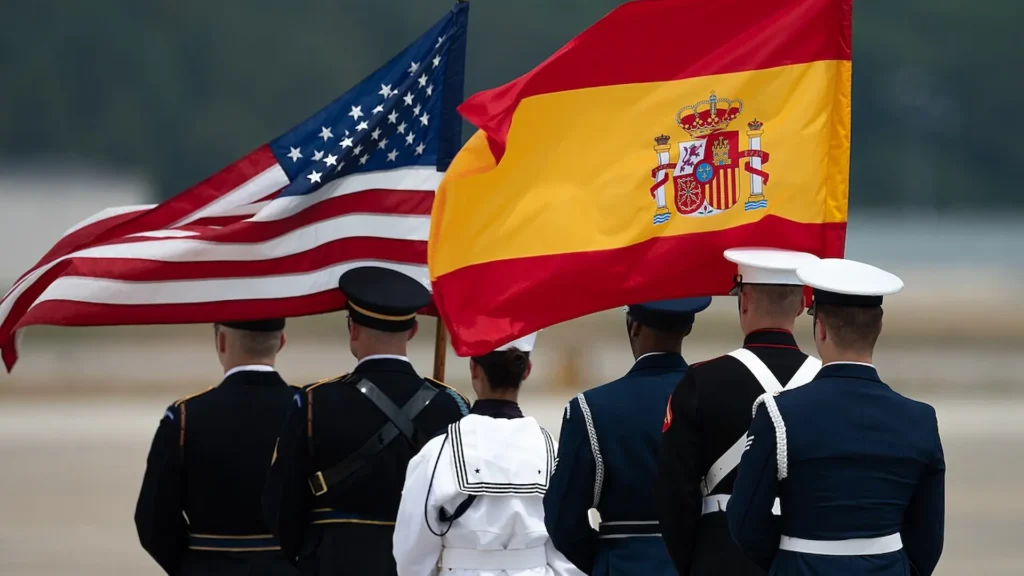
Why is the United States pressuring hotel companies in Cuba?
The dispute centres on properties that were nationalised by the Cuban government after the 1959 revolution.
Under U.S. law, particularly measures strengthened during Donald Trump’s administration, American citizens and companies can pursue legal action over properties confiscated by the Cuban state.
Washington has increasingly warned international companies that they could face legal and financial consequences if they profit from assets claimed by former owners.
Hotel operators have become a particular focus because many tourist resorts were built on land or assets subject to historical ownership disputes.
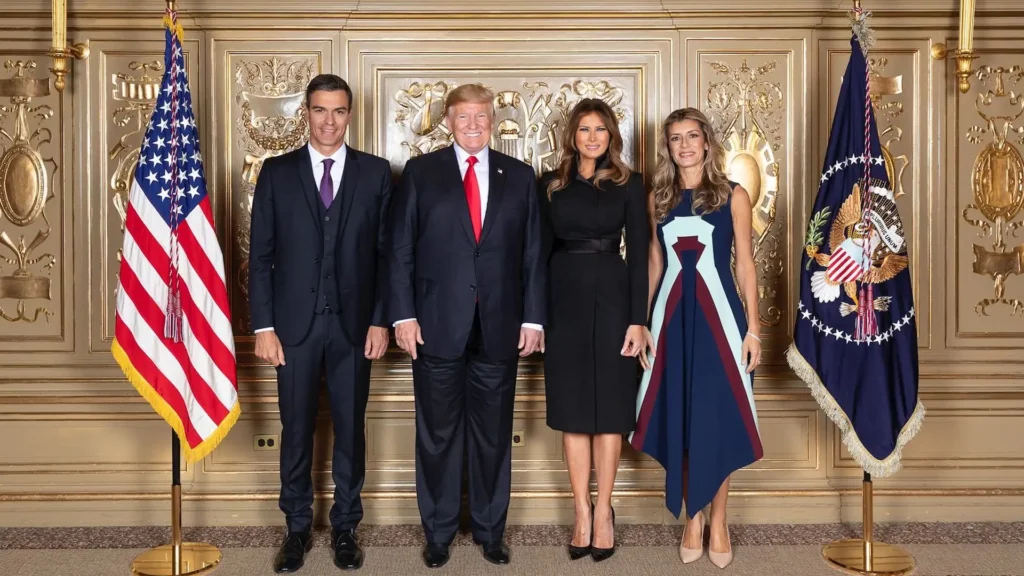
Why is Donald Trump linked to this issue?
The legal framework behind the current pressure was significantly expanded during Trump’s first presidency.
His administration activated parts of the Helms-Burton Act, a law that allows lawsuits against foreign companies benefiting from confiscated Cuban properties.
Although previous U.S. administrations had suspended these provisions for decades, Trump’s government chose to enforce them.
That decision opened the door to legal claims against international businesses operating in Cuba.
The consequences are still being felt today.
Why Spanish Companies Became Central to Cuba's Tourism Industry
Spain has played a major role in Cuba’s tourism sector for more than three decades.
After the collapse of Soviet support in the early 1990s, Cuba increasingly turned to international tourism as a source of foreign currency. To attract visitors and investment, the Cuban government opened the door to partnerships with foreign hotel operators.
Spanish companies were among the first to seize the opportunity.
A Long-Standing Presence in Cuba
Over the years, Spanish hotel groups became some of the most important foreign partners in Cuba’s tourism industry.
Among them, Meliá Hotels International emerged as the largest international hotel operator on the island, managing resorts in destinations such as:
- Varadero
- Havana
- Cayo Coco
- Cayo Santa María
- Holguín
Iberostar also built a significant presence, operating hotels in many of Cuba’s most popular tourist areas.
Together, the two companies helped shape the modern Cuban tourism sector.
Why Spanish Hotel Groups Expanded in Cuba
Several factors made Cuba attractive to Spanish tourism companies:
- Strong historical and cultural ties between Spain and Cuba.
- Growing demand from European and Canadian tourists.
- Limited competition from major U.S. hotel chains due to the American embargo.
- Government-backed joint venture agreements with Cuban state entities.
For years, Cuba represented a unique opportunity for Spanish operators to expand internationally in a market where many global competitors had little or no access.
Tourism Became a Key Economic Lifeline
As Cuba’s economy struggled with sanctions, economic crises and declining exports, tourism became one of the country’s most important sources of revenue.
Foreign hotel operators contributed by:
- Managing international-standard resorts.
- Marketing Cuba abroad.
- Bringing operational expertise.
- Helping attract millions of visitors annually.
This made companies such as Meliá and Iberostar strategically important not only for the tourism industry but also for Cuba’s wider economy.
Why Their Decisions Matter Today
The recent moves by Meliá and Iberostar are attracting attention precisely because of their long-standing role in Cuba.
These are not new investors testing the market.
They are companies that have operated on the island for decades and have become deeply embedded in its tourism infrastructure.
When firms of this size reduce their presence, investors and policymakers often view it as a signal that the business environment may be changing.
A Symbolic Shift
While neither company is completely leaving Cuba, their decisions mark one of the most significant adjustments by foreign hotel operators in recent years.
For many observers, the developments raise a broader question:
If Spain’s largest hotel groups are reassessing their position in Cuba, could other international investors eventually do the same?
That question is likely to remain at the centre of the debate as Cuba’s tourism sector faces growing pressure from international legal disputes and changing U.S. policy.
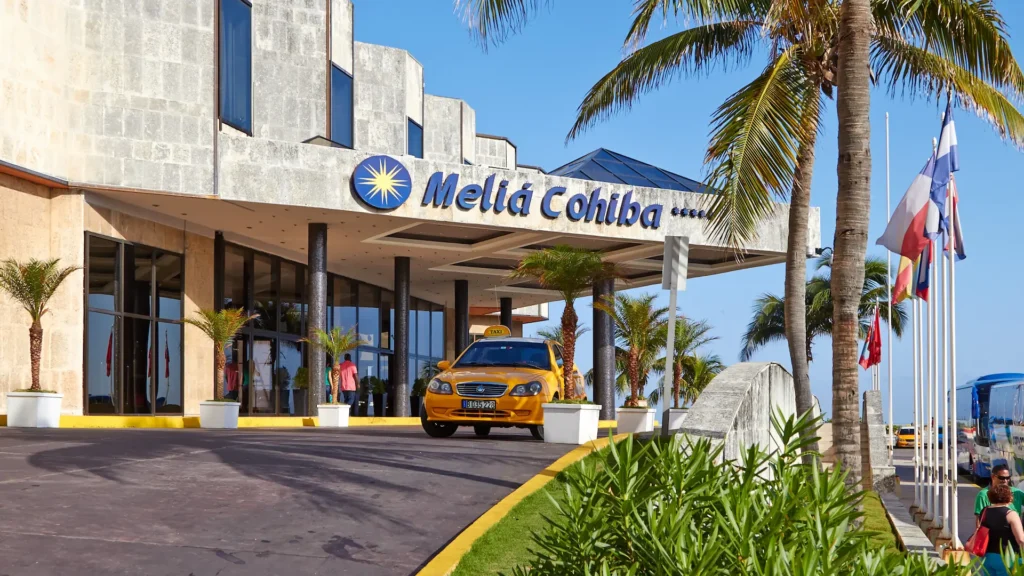
What is Meliá doing in Cuba?
Meliá has long been one of the largest foreign hotel operators on the island.
For decades, the company managed numerous resorts and tourism complexes across Cuba.
The company has now confirmed that it will stop managing 15 hotels linked to the current dispute.
The move follows increasing concerns about potential legal exposure in the United States.
Despite the reduction, Meliá is expected to maintain a presence in Cuba through other operations and agreements.
What is Iberostar doing?
Iberostar moved first.
The Spanish hotel group recently announced that it would stop operating a significant number of Cuban properties while maintaining a smaller footprint on the island.
The company cited the growing uncertainty created by U.S. sanctions and legal risks.
Industry analysts viewed the decision as a major warning sign for the wider tourism sector.
Meliá’s announcement days later reinforced concerns that pressure from Washington is beginning to reshape foreign business activity in Cuba.
How many hotels are affected?
Based on information released by the companies and reports in Spanish media:
- Meliá is withdrawing from the management of 15 hotels.
- Iberostar has stopped operating 12 hotels.
- Together, around 27 properties are affected.
The exact number may change as agreements are restructured.
However, the scale of the withdrawal highlights the growing impact of U.S. policy on Cuba’s tourism industry.
Why does this matter for Cuba?
Tourism remains one of Cuba’s most important sources of foreign currency.
International hotel groups play a crucial role in:
- Attracting foreign visitors.
- Managing resorts.
- Bringing international marketing expertise.
- Supporting employment.
Any reduction in foreign participation creates additional pressure on an economy already facing significant challenges.
The decisions by Meliá and Iberostar are therefore being closely watched by investors, tourism officials and other multinational companies operating in Cuba.
Could other companies follow?
That is one of the biggest questions facing the tourism industry.
If legal risks continue to grow, other international operators may review their exposure to Cuba.
Potential consequences could include:
- New withdrawals from hotel management contracts.
- Reduced investment in tourism projects.
- Greater difficulty attracting foreign capital.
- Additional pressure on Cuba’s tourism recovery.
At this stage, no major wave of departures has been announced.
However, the actions of Meliá and Iberostar could influence future corporate decisions.
What happens next?
The situation remains fluid.
Several factors will determine the next phase:
- Future U.S. policy towards Cuba.
- Potential legal claims against foreign companies.
- The response of Cuban authorities.
- The willingness of international investors to remain active on the island.
For now, the decisions by Spain’s two largest hotel groups represent one of the clearest signs yet that pressure from Washington is having real-world consequences for foreign businesses operating in Cuba.
FAQ Spanish Hotels Pulling Back From Cuba
Why is Meliá reducing its presence in Cuba?
Meliá is withdrawing from the management of 15 hotels amid growing legal and political pressure linked to U.S. sanctions and property claims.
Why did Iberostar leave some of its hotels in Cuba?
Iberostar cited concerns about legal risks associated with U.S. measures targeting companies operating on disputed Cuban properties.
What is the Helms-Burton Act?
The Helms-Burton Act is a U.S. law that allows legal action against companies benefiting from properties confiscated by the Cuban government after the revolution.
How many hotels are affected?
Approximately 27 hotels are affected by the decisions announced by Meliá and Iberostar.
Are Meliá and Iberostar completely leaving Cuba?
No. Both companies are reducing or restructuring parts of their operations, but neither has announced a complete withdrawal from the country.
Could other foreign companies leave Cuba?
Possibly. Industry observers are watching closely to see whether other international hotel groups decide to reduce their exposure to legal risks associated with U.S. sanctions.
Why is this important internationally?
The case highlights how U.S. sanctions policy can influence the decisions of foreign companies operating outside the United States, affecting tourism, investment and international business relations.
Information Source:
https://www.20minutos.es/lainformacion/empresas/
https://as.com/actualidad/sociedad/
Photo Attribution:
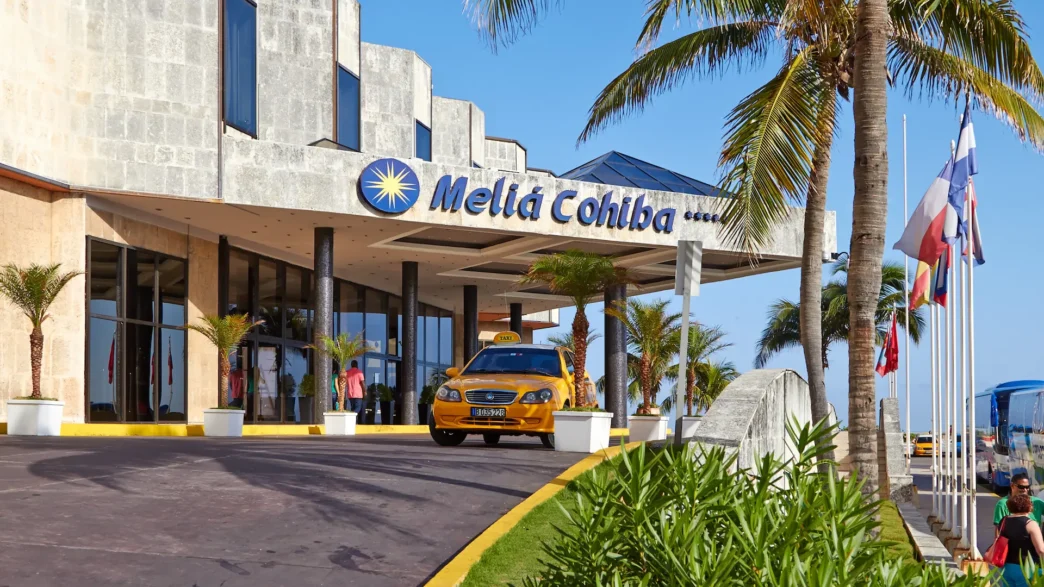
Отель Melia Cohiba – panoramio, by Сергей Марцынюк, Creative Commons Attribution-Share Alike 3.0 Unported license. Wikimedia Commons: https://w.wiki/QavN
Photo credit: Official White House photo by Andrea Hanks, showing Presidents Donald J. Trump and Pedro Sánchez at the United Nations General Assembly, 25 September 2018. Public domain. Source: Wikimedia Commons (file President_Donald_Trump_and_Pedro_Sánchez.jpg). https://w.wiki/J9zG
Sailing at Marbella, Spain, by Stephen Heron Creative Commons Attribution-Share Alike 2.0 Generic license. Wikimedia Commons: https://w.wiki/KLGs
Photo: Staff Sgt. Alex Broome / U.S. Air Force, public domain, via Wikimedia Commons. https://w.wiki/JCjJ