

 English
 Español
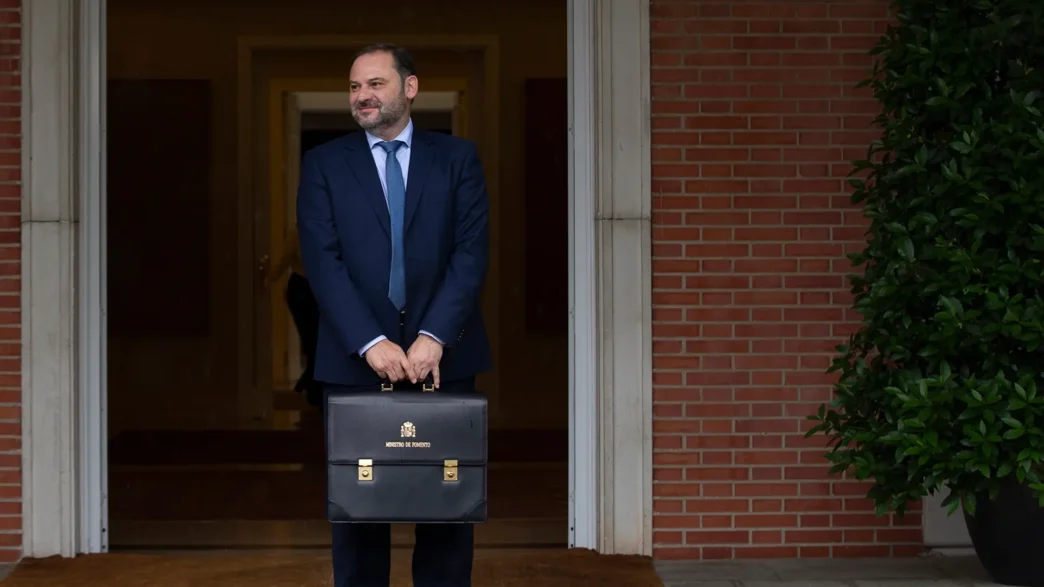
Supreme Court Delivers First Major Koldo Case Verdict
Spain’s Supreme Court has sentenced former Transport Minister José Luis Ábalos, a senior figure in Prime Minister Pedro Sánchez’s government, to 24 years and three months in prison in the first major ruling of the Koldo corruption case.
The court also sentenced Ábalos’ former adviser, Koldo García, to 19 years and eight months in prison, while businessman Víctor de Aldama received a four-and-a-half-year sentence.
The ruling marks a significant milestone in a corruption scandal that has shaken Spanish politics and generated intense scrutiny of public procurement during the COVID-19 pandemic.
Although Ábalos received a sentence exceeding 24 years, Spanish law limits his effective prison term to approximately 16 and a half years. García’s prison time will be capped at 15 years.
De Aldama, meanwhile, will avoid immediate imprisonment after judges agreed to suspend his sentence because of his cooperation with investigators.
What Is the Koldo Corruption Case?
The Koldo case revolves around allegations that a network involving public officials and business figures manipulated public contracts and exchanged favors for financial gain.
Prosecutors argued that Ábalos, García and de Aldama formed a criminal organization that used political influence to secure public contracts and other benefits.
The case focuses primarily on contracts awarded during the COVID-19 pandemic for the purchase of 13 million face masks by state-owned entities connected to Spain’s Transport Ministry.
According to the Supreme Court, the defendants used Ábalos’ position as a government minister and influential member of the ruling Socialist Party to obtain economic advantages and facilitate privileged access to public administration.


Court Accepts Most of Prosecutors’ Case
The unanimous judgment largely endorsed the arguments presented by Spain’s Anti-Corruption Prosecutor’s Office throughout the trial.
The court convicted Ábalos of:
- Criminal organization
- Bribery
- Embezzlement
- Influence peddling
García was convicted of the same offenses.
According to the ruling, de Aldama acted as the businessman who identified opportunities and companies seeking public contracts, while Ábalos and García allegedly used their influence to help facilitate access to government institutions.
Judges concluded that the arrangement was intended to create a “common economic benefit” for all three men.
Why Víctor de Aldama Avoided Prison
One of the most closely watched aspects of the ruling concerned businessman Víctor de Aldama.
Although convicted of criminal organization and multiple bribery offenses, the Supreme Court significantly reduced his punishment due to what it described as a highly significant confession and cooperation with investigators.
Prosecutors had originally sought a prison sentence of seven years.
However, the court determined that de Aldama’s collaboration played a major role in clarifying key facts of the case.
As a result, judges suspended his prison sentence on the condition that he:
- Does not commit further crimes
- Files activity reports every six months
- Completes community service
Failure to comply could result in imprisonment.


COVID-19 Mask Contracts at the Center of the Investigation
The investigation originated from emergency procurement contracts awarded during the pandemic.
The Supreme Court found irregularities in two major agreements:
Puertos del Estado Contract
- 8 million masks
- Approximate value: €24 million
Adif Contract
- 5 million masks
- Approximate value: €12 million
According to the judgment, the contracts were awarded to Soluciones de Gestión, a company linked to de Aldama.
Judges concluded that Ábalos and García intervened to facilitate the awarding of the contracts and expected financial benefits in return.
However, the court stated that prosecutors failed to conclusively prove that the former minister and his adviser ultimately received the specific commissions allegedly connected to the mask deals.
For that reason, the defendants were acquitted of certain charges related to privileged information and administrative misconduct.
Court Finds Evidence of Monthly Payments
A key issue during the trial involved allegations that de Aldama paid Ábalos and García €10,000 per month over an extended period.
The Supreme Court concluded that the evidence supported those allegations.
According to the judgment, the payments were made between October 2019 and June 2022.
Judges cited multiple forms of evidence, including:
- Financial documents
- Notes recovered during investigations
- Witness testimony
- Statements from individuals linked to the companies involved
The court concluded that the payments were intended to guarantee access, favorable treatment and influence within government structures.
The ruling describes the payments as covering Ábalos’ “fixed expenses.”
Housing Benefits Considered Bribes
The Supreme Court also examined several property-related arrangements involving Ábalos and individuals connected to him.
One of the most significant involved rental payments for an apartment occupied by Jésica Rodríguez, Ábalos’ former partner.
According to the judgment, more than €82,000 in rent payments were made over several years.
The court concluded that those payments represented an improper benefit linked to the corruption scheme.
Madrid Apartment Deal
Judges also examined a property owned by de Aldama on Madrid’s Paseo de la Castellana.
A lease agreement gave Ábalos the option to purchase the apartment for €750,000, despite expert valuations placing its market value at approximately €1.44 million.
Although the former minister maintained that he never lived in the property or paid rent, the court determined that the agreement itself constituted an improper advantage.
Public Sector Jobs Under Scrutiny
Another major element of the case involved the hiring of individuals linked to Ábalos.
The Supreme Court found that Rodríguez and another woman connected to the former minister obtained positions in state-linked companies despite not carrying out the expected work.
According to the ruling, Ábalos used his position as a government minister to ensure that Rodríguez obtained paid employment.
Judges also concluded that García helped facilitate the arrangements and assisted in avoiding oversight mechanisms.
These findings formed part of the basis for the embezzlement convictions handed down against both men.
Air Europa, Accommodation and Other Benefits
The court also examined benefits allegedly received in connection with business interests linked to de Aldama and his associates.
According to the judgment, Ábalos received access to luxury accommodation in Marbella and southern Spain in exchange for actions that benefited private business interests.
Judges determined that these arrangements constituted additional acts of bribery.
However, the court rejected some allegations brought by prosecutors, including certain influence-peddling accusations connected to an energy licensing process.
Political Impact on Spain
The Supreme Court’s ruling is expected to have consequences far beyond the three men convicted in this trial.
The Koldo case has become one of the most damaging political scandals faced by Spain’s governing Socialist Party in recent years.
Ábalos was not only Transport Minister but also served as a key political ally of Prime Minister Pedro Sánchez and held the influential role of PSOE Organization Secretary.
The scandal has already affected several political careers and continues to generate investigations into other figures and alleged corruption schemes.
Other Koldo Investigations Continue
The verdict does not bring the broader Koldo case to an end.
Several related investigations remain active in Spain’s National Court, including probes into:
- Alleged manipulation of public works contracts
- Additional pandemic procurement agreements
- Suspected cash payments linked to political networks
- Other members of the alleged corruption network
Legal experts believe the Supreme Court’s findings could significantly influence those ongoing proceedings.
What Happens Next?
The verdict follows a trial that concluded in May after 14 hearing sessions and testimony from more than 70 witnesses, including public officials, business executives, investigators and expert witnesses.
With the first major judgment now delivered, attention is expected to shift to the remaining branches of the Koldo investigation.
For now, the ruling represents the most significant legal development yet in a scandal that has reshaped Spain’s political landscape and raised serious questions about government accountability, public procurement practices and the management of emergency COVID-19 contracts.
As further investigations continue, the Supreme Court’s decision is likely to remain a defining moment in one of the most consequential corruption cases in modern Spanish politics.
Information Source:
https://elpais.com/espana/2026-06-22/
https://www.eldiario.es/politica/
Photo Attribution:
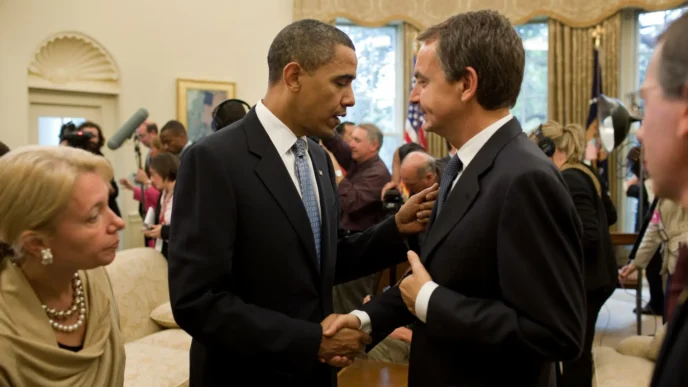
Gobierno de Pedro Sánchez en la XII Legislatura. Ministerio de la Presidencia. Gobierno de España (Pool Moncloa/César P.Sendra) Attribution: Ministry of the Presidency. Government of Spain lamoncloa.gob.es Wikimedia Commons https://w.wiki/Mdqu