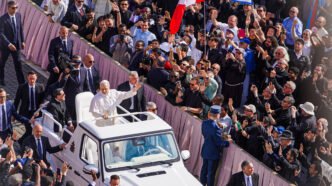
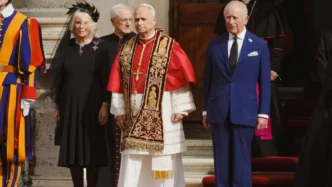
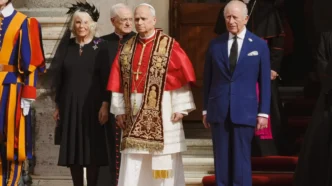
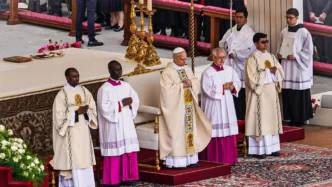
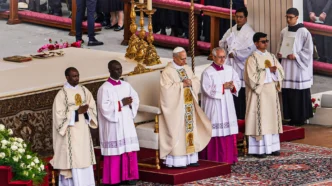
The upcoming Pope Leo XIV visit to Spain is expected to generate a significant economic impact of around €150 million, according to forecasts from the Spanish Episcopal Conference.
The event, which carries an estimated €25 million cost, is being closely watched for its potential impact on Spain tourism, hospitality, and international visibility, as debate continues over the economic value of large-scale religious events.
While critics highlight concerns over public disruption and security pressure, supporters point to a consistent historical pattern of strong tourism demand, high visitor spending, and global media exposure linked to papal visits.
Officials emphasize that these figures remain preliminary estimates, but are consistent with previous major religious tourism events in Spain and Europe.
A central argument supporting the visit is its projected 6:1 economic return ratio.
This is driven by:
Increased tourist spending in Spain hotels and restaurants
Transport and mobility demand
Retail and local commerce growth
International media exposure boosting Spain visibility
The Spanish Episcopal Conference compares these projections with the 2011 World Youth Day in Madrid, which generated an estimated €354 million economic impact.
The national agency Turespaña has launched a campaign positioning Spain as a global destination of peace, culture, and dialogue.
The campaign highlights:
Cultural heritage and identity
Safety and social stability
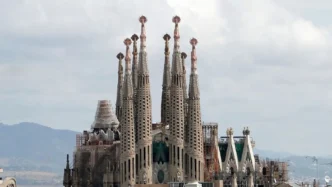
Architectural landmarks like the Sagrada Familia
Values of coexistence and dialogue
This positioning aims to strengthen Spain’s long-term international tourism competitiveness.
⚖️ Economic Debate: Growth vs Disruption
The economic impact of the papal visit to Spain remains debated.
Critics argue:
Urban disruption in major cities
High logistical and security pressure
Short-term economic concentration
Supporters argue:
Private financing reduces taxpayer burden
Long-term tourism benefits outweigh disruption
Strong global visibility boosts Spain’s brand
This debate echoes discussions seen during major events such as the 2011 Madrid World Youth Day.
📉 Conservative Forecasts from ObservaTUR
Not all estimates align with the €150 million projection.
A report from ObservaTUR suggests a more conservative range:
€90 million to €125 million economic impact
Strong short-term spending spike
Long-term tourism visibility effects
The report emphasizes a two-phase impact model:
Immediate economic injection during the event
Long-term tourism growth driven by global exposure
🎤 Spain as a Global Event Hub
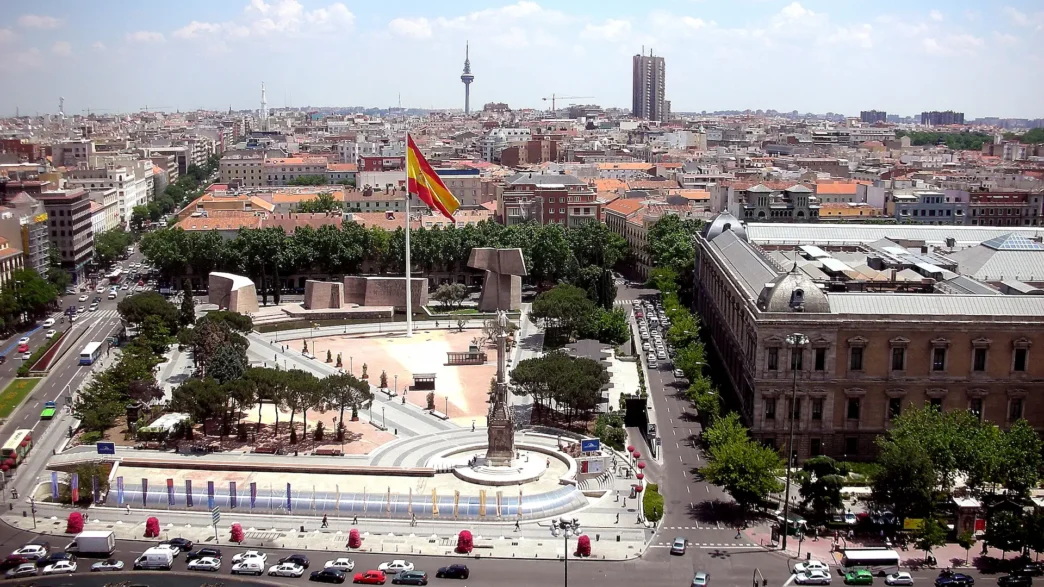
The timing of the visit coincides with a packed schedule of cultural and entertainment events, especially in Madrid.
This overlap is expected to:
Increase hotel occupancy further
Push transport systems near capacity
Boost nightlife and restaurant revenue
Strengthen Madrid’s position as a global events capital
The combination of events creates a high-demand tourism environment, amplifying economic effects.
🧭 Intangible Impact: Soft Power and Social Value
Beyond economics, organizers highlight a broader impact tied to soft power and social cohesion.
The visit is expected to promote:
Community solidarity
Ethical and moral values
Social cohesion and engagement
While difficult to quantify, supporters argue these effects can contribute indirectly to long-term economic stability and productivity.
🧾 High Economic Potential with Long-Term Tourism Value
The Pope Leo XIV visit to Spain represents a rare convergence of religion, tourism, and international media attention.
With a projected €150 million economic impact from a €25 million investment, the event is positioned as a major case study in religious tourism economics in Spain.
Whether viewed as a short-term economic boost or a long-term branding opportunity, the visit is expected to deliver:
Record tourism inflows
Full hotel occupancy in major cities
Strong global media exposure
Ongoing debate on the economic value of papal visits
Ultimately, the event highlights how major religious gatherings can function as both cultural milestones and economic catalysts for Spain’s tourism industry.


 English
 Español