

 English
 Español


Spain has entered unprecedented political territory after former Prime Minister José Luis Rodríguez Zapatero was formally placed under criminal investigation in the growing Plus Ultra corruption case, a scandal centered on the controversial €53 million airline bailout granted to Plus Ultra Líneas Aéreas during the Covid-19 pandemic.
The decision by Judge José Luis Calama of Spain’s Audiencia Nacional marks the first time in modern Spanish democratic history that a former prime minister has been summoned to testify as a criminal suspect in a corruption investigation of this scale.
The investigation has evolved from an inquiry into alleged money laundering linked to the airline rescue into a broader case involving suspected influence peddling, offshore financial structures, alleged false consulting contracts, and a network accused of securing favorable government decisions for private interests.
Here is a complete guide to the Zapatero Plus Ultra case, what investigators claim to have uncovered, and why the scandal has become one of Spain’s most politically explosive legal investigations in recent years.
What Is the Plus Ultra Case?
What Is the Plus Ultra Case?
The Plus Ultra case originally began as an investigation into possible money laundering tied to the airline’s pandemic rescue package.
In March 2021, the Spanish government approved a €53 million bailout for Plus Ultra through a state-backed fund created to support strategically important companies affected by the Covid-19 crisis.
The rescue package included:
- €34 million in participative financing
- €19 million in ordinary financing
At the time, Spain — like much of Europe — was dealing with severe travel restrictions and economic disruption caused by the pandemic. The government argued that industries such as transportation and tourism required emergency financial support to avoid collapse.
However, the rescue quickly became controversial because Plus Ultra was a relatively small airline with a limited fleet and minimal market share.
Critics questioned whether the company genuinely qualified as a “strategic” business deserving tens of millions of euros in taxpayer money.
The controversy intensified after investigators from Switzerland and France reportedly alerted Spanish authorities in 2024 to suspicious financial activity connected to Venezuelan networks under investigation for money laundering.
Spain’s Anti-Corruption Prosecutor’s Office and the police economic crimes unit, known as the UDEF, then began examining whether the bailout funds had been used improperly.
According to investigators, part of the money may have been linked to laundering operations involving Venezuelan gold smuggling and the alleged diversion of Venezuelan public welfare funds.
Why Is Zapatero Under Investigation?
Judge Calama alleges that Zapatero led what the court describes as a “stable and hierarchical influence-peddling structure.”
Investigators believe the former socialist leader used his political contacts and access to senior government officials to help private clients secure favorable decisions from public institutions.
According to the judge, the alleged activities went beyond ordinary lobbying or political networking. Investigators claim the network sought specific administrative outcomes, including approval of the Plus Ultra bailout itself.
Zapatero is expected to testify as a criminal suspect on June 2.
He is being investigated for alleged:
- Criminal organization
- Influence peddling
- Document falsification
- Potential money laundering offenses
The former prime minister has denied wrongdoing.
Earlier this year, while appearing before a Senate commission linked to the broader Koldo corruption investigation, he rejected any involvement in irregular activities connected to Plus Ultra.
His allies also insist he never pressured government officials regarding the airline rescue.
Under Spanish law, being placed under formal investigation does not mean guilt has been established. It means a judge believes there is sufficient evidence to justify continued judicial inquiry.


What Investigators Claim to Have Found
The court order reportedly spans 85 pages and outlines what investigators describe as a coordinated influence network involving consultants, intermediaries, business associates, and multiple companies.
According to the judge, the alleged structure operated through consulting agreements and advisory contracts that investigators suspect were fictitious or designed to conceal commission payments.
Among the most prominent figures identified in the investigation is businessman Julio Martínez Martínez, described by investigators as a key intermediary between clients and Zapatero’s network.
Authorities claim Martínez received payments from Plus Ultra through his company, Análisis Relevante S.L., while simultaneously transferring money to Zapatero for alleged consulting services.
Investigators also examined payments to Whathefav S.L., a communications agency managed by Zapatero’s daughters, Laura and Alba Zapatero Espinosa.
According to the court, the combined payments allegedly linked to the network totaled nearly €2 million:
- Approximately €1.52 million allegedly received by Zapatero
- Around €423,000 allegedly received by his daughters’ company
Police reportedly searched the former prime minister’s office and several associated businesses, including the communications agency linked to his daughters.


The Role of Offshore Companies
One of the most serious aspects of the investigation involves alleged offshore financial structures.
Judge Calama claims investigators uncovered evidence that a Dubai-based offshore company may have been created to channel payments related to the bailout operation.
According to the investigation, a company called Landside Dubai FZCO — allegedly linked to another firm called Idella Consulenza Strategica — signed an agreement to receive 1% of the bailout amount, approximately €530,000.
Investigators argue the timing of the contracts and the creation of the offshore structure raised significant suspicions.
The judge claims the arrangement resembles classic money laundering methods frequently identified in international financial crime investigations, including:
- Use of shell companies
- Low-transparency jurisdictions
- Concealment of beneficial ownership
- International movement of funds designed to obscure their origin

Why the Plus Ultra Bailout Became So Controversial
A central issue in the case is whether Plus Ultra legitimately qualified for state aid.
Opposition parties, particularly Spain’s conservative Popular Party, have long argued that the airline was too small and financially unstable to justify receiving public rescue funds.
Critics highlighted several concerns.
Small Market Presence
Plus Ultra reportedly operated only a tiny fraction of Spain’s international flights before the pandemic.
Questions Over Financial Solvency
A court-appointed financial expert previously argued that the airline may already have been in financial distress before Covid-19, potentially making it ineligible for rescue aid under European regulations.
Social Security and Tax Concerns
Investigators also examined whether the company was fully compliant with tax and Social Security obligations when applying for the bailout.
How the Bailout Funds Were Used
The judge claims investigators identified large transfers to companies unrelated to the airline’s normal operations after the rescue funds were approved.
The Spanish government has consistently defended the rescue package.
Officials insist the decision was supported by technical reports from financial experts, aviation authorities, auditors, and consulting firms including Deloitte and PricewaterhouseCoopers.
Government representatives also argue that European pandemic rules allowed strategic support for industries such as transportation and tourism regardless of company size.


What Happens Next in the Investigation?
The next major development in the case will be Zapatero’s expected court appearance on June 2.
The investigation remains ongoing, and no criminal charges have yet been proven in court.
For now, the case represents a major political shock in Spain because it involves a former head of government accused of using political influence for private financial gain.
The outcome could have major consequences for Spain’s political establishment, public confidence in pandemic-era bailout programs, and future scrutiny of lobbying and influence networks connected to former senior officials.
At the same time, the investigation remains legally complex and politically sensitive.
Investigators insist they have uncovered evidence of an organized influence operation tied to public money and international financial structures.
Zapatero and those around him continue to deny wrongdoing, arguing the allegations are unfounded and politically motivated.
The coming months are likely to determine whether the investigation leads to criminal prosecutions or whether the allegations ultimately fail under judicial scrutiny.
Frequently Asked Questions About the Zapatero Plus Ultra Case
What is the Plus Ultra corruption case?
The Plus Ultra corruption case is a major investigation in Spain centered on the controversial €53 million government bailout granted to airline Plus Ultra during the Covid-19 pandemic. Investigators are examining allegations of money laundering, influence peddling, offshore financial structures, and irregular consulting payments linked to the rescue package.
Why is José Luis Rodríguez Zapatero under investigation?
Former Spanish Prime Minister José Luis Rodríguez Zapatero is under investigation over allegations that he used his political influence and government contacts to help secure favorable decisions for private clients, including the approval of the Plus Ultra bailout.
Has Zapatero been charged with a crime?
No. Zapatero has been formally placed under investigation, but no criminal conviction or final charges have been proven in court. Under Spanish law, being investigated means a judge believes there is sufficient evidence to continue examining the case.
What crimes are investigators examining in the Plus Ultra case?
Investigators are examining possible offenses including:
- Criminal organization
- Influence peddling
- Money laundering
- Document falsification
Authorities are also investigating alleged offshore financial structures and suspicious consulting payments.
Why was the Plus Ultra bailout controversial?
The bailout became controversial because critics argued that Plus Ultra was a relatively small airline with limited operations and questionable financial stability before the pandemic. Opponents questioned whether the company qualified as a strategic business eligible for public rescue funds.
How much money is involved in the investigation?
The investigation centers on the €53 million airline bailout approved in 2021. Court documents also reference nearly €2 million in alleged payments connected to companies and individuals linked to the investigation.
What role do offshore companies play in the investigation?
Investigators claim offshore companies may have been used to channel payments related to the bailout operation. The court is examining whether Dubai-based financial structures were created to conceal the origin and destination of funds.
Who else is under investigation in the Plus Ultra case?
The investigation also involves airline executives, consultants, intermediaries, and business associates connected to Plus Ultra and the alleged influence network. Several individuals have already been questioned or arrested by Spanish authorities.
What is the Audiencia Nacional?
The Audiencia Nacional is Spain’s high national court responsible for handling major financial crimes, corruption cases, organized crime investigations, and terrorism-related matters.
When will Zapatero appear in court?
Zapatero is expected to testify before Spain’s National Court on June 2 as part of the ongoing investigation into the Plus Ultra bailout scandal.
Information Source:
https://www.rtve.es/noticias/20260519/
Photo Attribution:
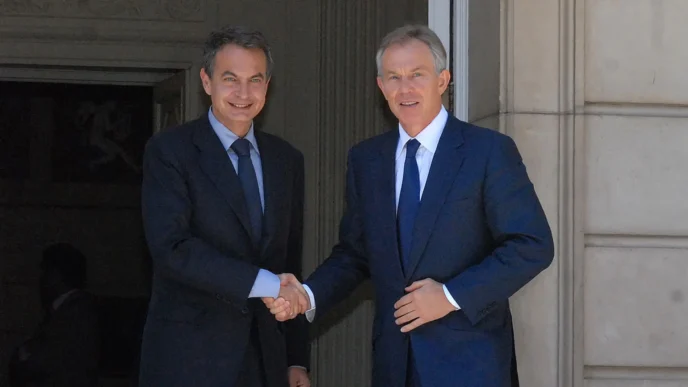
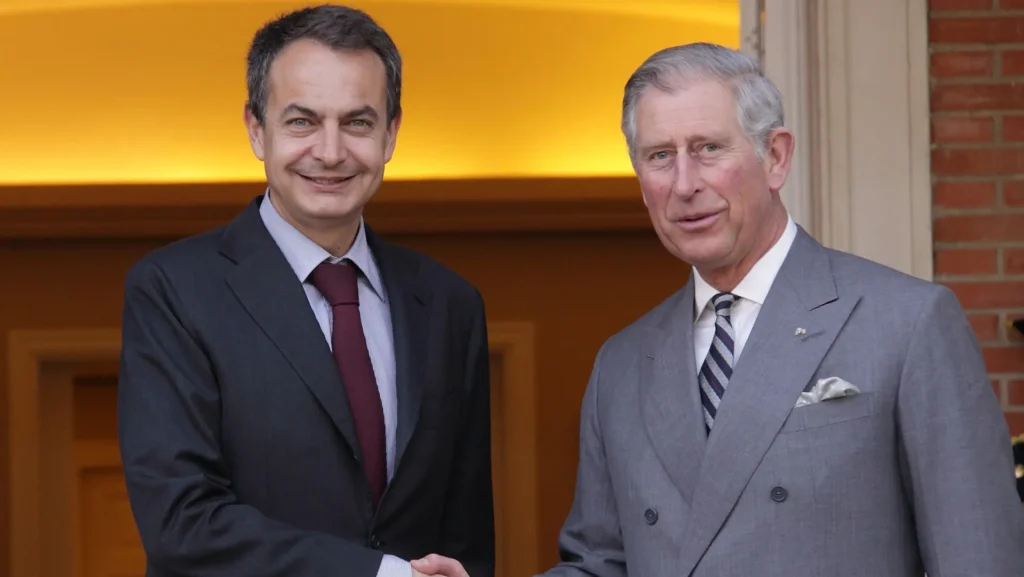
José Luis Rodríguez Zapatero y príncipe de Gales, by “Ministry of the President. Government of Spain” This work was published on one of the websites owned by the Ministry of the Presidency of the Government of Spain, such as the website of La Moncloa, lamoncloa.gob.es, Wikimedia Commons: https://w.wiki/Ndzj
Zapatero-Bush-2, by White House photo by Chris Greenberg This file is a work of an employee of the Executive Office of the President of the United States, taken or made as part of that person’s official duties. As a work of the U.S. federal government, it is in the public domain. Wikimedia Commons: https://w.wiki/Nwte