

 English
 Español
Latest: 22/01/2026 17:15 CET
Breaking: The death toll from the Adamuz train accident in Spain has risen to 45. Investigators point to a track failure as the likely cause. The Renfe Alvia train had just 9 seconds to react after an Iryo train derailed, leading to the fatal collision.
At least 42 people were killed and dozens more seriously injured on Sunday evening after a high-speed train collision in southern Spain, according to updated figures released by emergency services early Monday. The crash occurred near the town of Adamuz, in the province of Córdoba, and is already being described as one of the deadliest train accidents in Spain in recent decades.
Authorities warned that the death toll could still rise as hospitals continue to assess several critically injured passengers. In total, 484 people were traveling aboard the two trains involved in the collision.
High-speed trains collide after derailment
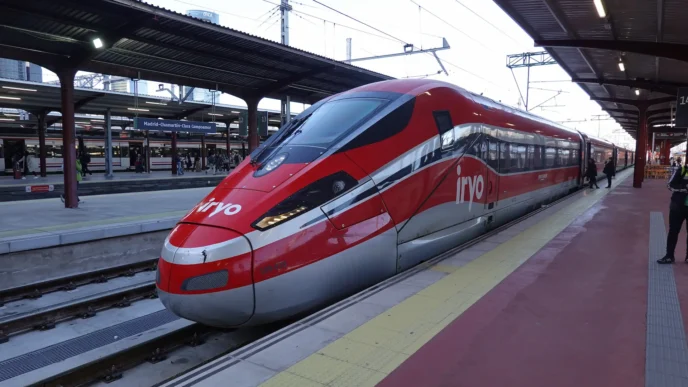
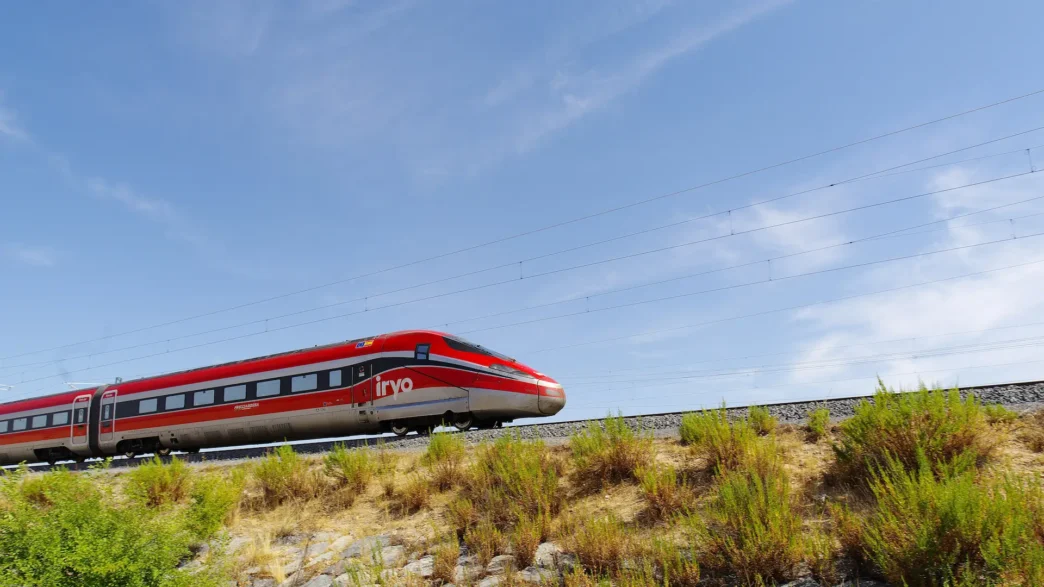
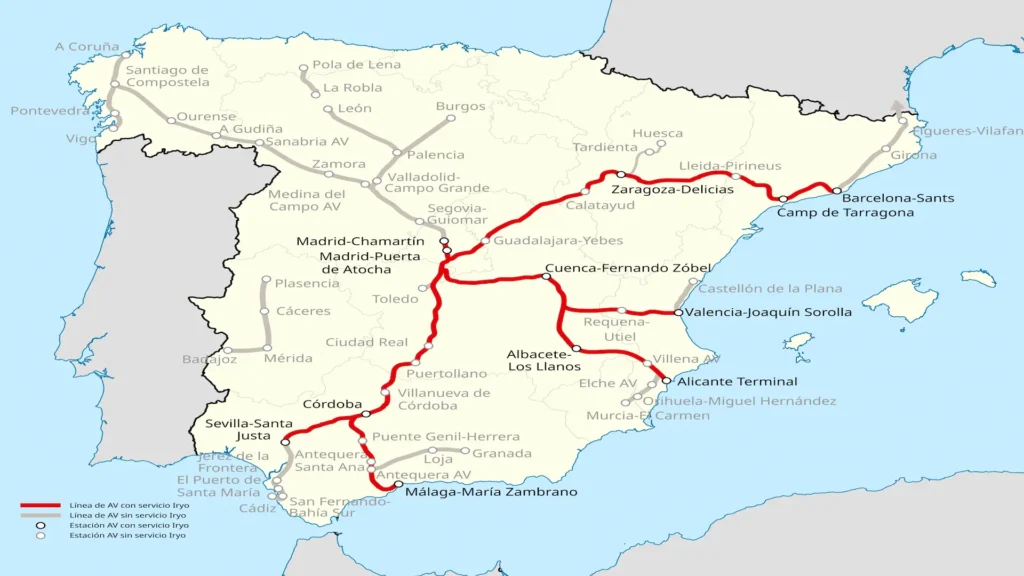
The Spain train crash occurred shortly after 7:30 p.m. local time, when an Iryo high-speed train traveling from Málaga to Madrid derailed and crossed onto an adjacent track. Moments later, it collided with an Alvia passenger service heading from Madrid to Huelva, which was traveling at approximately 200 kilometers per hour, according to official sources.
Spain’s Civil Guard and the Andalusian emergency coordination service 112 confirmed that at least 24 passengers remain seriously injured and have been transferred to hospitals across Andalusia.
One of the victims was the 27-year-old driver of the Alvia train, who absorbed the full impact of the collision.
How the Adamuz train collision unfolded
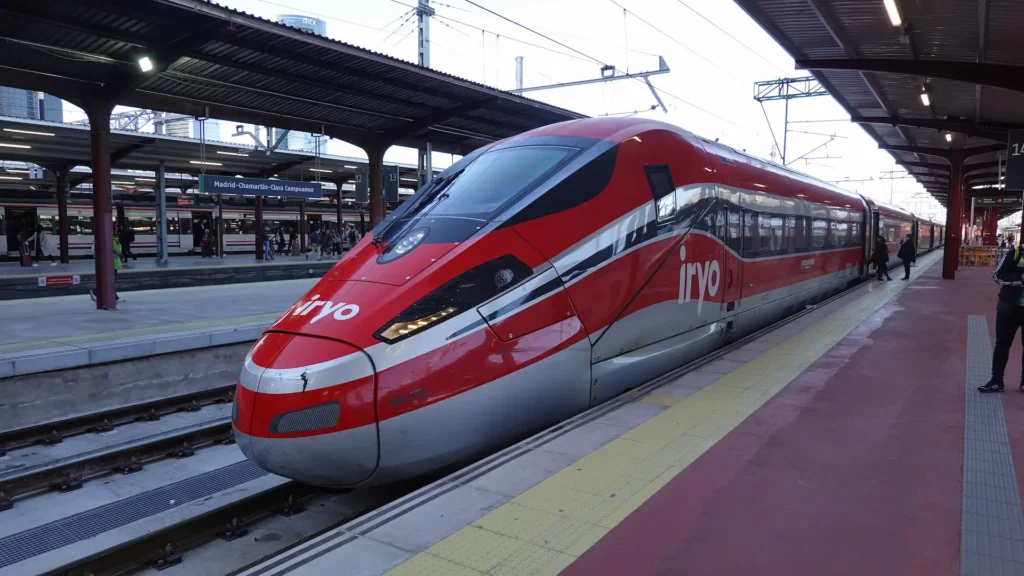
The Iryo train had departed Málaga at 6:40 p.m., bound for Madrid’s Puerta de Atocha station. At 7:39 p.m., as it passed through the municipality of Adamuz, several rear carriages—cars six, seven, and eight—derailed and veered across the tracks.
At that precise moment, the Alvia train was passing at high speed. The collision caused the Alvia service to derail and plunge down an embankment estimated to be five to six meters high. Around 53 passengers were traveling in the carriages that fell.
Although the Iryo train was traveling at a lower speed and managed to stop shortly after the crash, the force of the impact caused catastrophic structural damage, leaving carriages twisted, crushed, and partially destroyed.
Emergency responders described scenes of devastation, with mangled metal, overturned cars, and debris scattered across a rural area that was difficult to access, complicating rescue operations.
Massive rescue operation in southern Spain
The Andalusian emergency services launched a large-scale rescue operation within minutes. According to 112, the response included six advanced life-support ambulances, two critical-care transport units, logistical support vehicles, conventional ambulances, and Red Cross teams.
Firefighters and rescue crews worked through the night to free passengers trapped inside severely damaged carriages.
The regional government requested assistance from Spain’s Military Emergency Unit (UME). A contingent of 37 soldiers and 15 vehicles was dispatched from the Morón de la Frontera base to support rescue and recovery efforts.
“All trapped passengers have now been rescued and transferred,” Transport Minister Óscar Puente said shortly after midnight. “The injured have been distributed among six hospitals in Andalusia.”
A temporary field hospital was set up in Adamuz, where injured passengers were treated and survivors received basic care. Local residents mobilized quickly, bringing blankets, water, and essential supplies.
“A tremendously strange accident,” says minister
Speaking from Renfe’s emergency coordination center at Madrid’s Atocha station, Puente described the accident as “tremendously strange,” noting that both the train and the infrastructure were in good condition.
“The Iryo train is practically new, and this section of track was renewed in May,” he said. “It is a straight stretch of line. Every expert we have consulted is deeply puzzled by what happened.”
The minister announced the creation of an independent investigation commission, as required by Spanish law, to determine the exact causes of the derailment and collision.
Rail traffic on the high-speed corridor between Madrid and southern Spain, including Córdoba, Seville, Málaga, and Huelva, has been suspended. Disruptions are expected to last several weeks.
Eyewitnesses recount moments of terror
Survivors described moments of fear and confusion inside the trains.
“There were many blows, suitcases falling, one impact after another until the train finally stopped,” said María San José, 33, who was traveling in carriage six of the Iryo train. “When we got out, we saw twisted carriages and two cars from the other train overturned.”
Salvador Jiménez, a journalist with Spain’s public broadcaster RTVE, compared the impact to an earthquake. Passengers used emergency hammers to break windows and doors before waiting for hours in darkness to be evacuated.
National reaction and condolences
Prime Minister Pedro Sánchez expressed condolences to the families of the victims, calling it “a night of profound sorrow for our country.” Andalusian regional president Juanma Moreno traveled to the scene and suspended all official events.
Spain’s royal household also conveyed its sympathy, while Renfe and Iryo issued statements expressing deep regret and confirming that emergency protocols had been activated. Psychological assistance teams and dedicated hotlines have been established to support families.
As investigators work to determine what went wrong on a line long considered among the safest in the country, Spain is left grappling with grief, unanswered questions, and the aftermath of a railway disaster that has shaken public confidence in the nation’s high-speed rail network.
Information Source:
Photo Attribution:
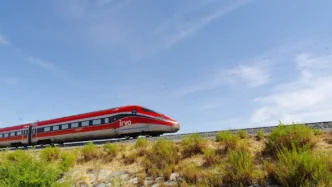
“Iryo in Spain” by Rubfergar, licensed under Creative Commons Attribution-ShareAlike 4.0 International (CC BY-SA 4.0).
Source: Wikimedia Commons (https://w.wiki/HXR7)
“Iryo Class 109 (Frecciarossa 1000)” by Javier Perez Montes, licensed under Creative Commons Attribution-ShareAlike 4.0 International (CC BY-SA 4.0).
Source: Wikimedia Commons (https://w.wiki/HXR3)
“Madrid Chamartín station 2023 03 by Smiley.toerist, licensed under Creative Commons Attribution-ShareAlike 4.0 International (CC BY-SA 4.0).
Source: Wikimedia Commons (https://w.wiki/HXR2)