

 English
 Español
Barcelona Hosts Global Progressive Mobilisation and “In Defense of Democracy” Summit
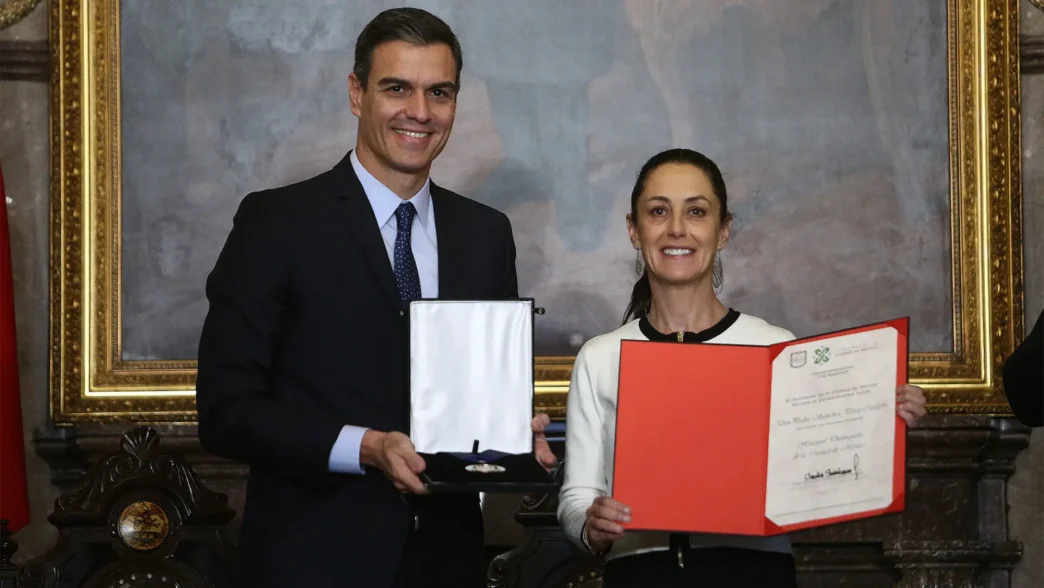
Barcelona has become a global stage for political leadership, hosting the Global Progressive Mobilisation alongside the key session titled “In Defense of Democracy.” The high-level gathering brought together leaders from more than 15 countries, positioning the Spanish city at the center of discussions on democracy, multilateralism, and global governance.
The summit took place amid rising geopolitical tensions and growing concerns over democratic backsliding, inequality, and disinformation worldwide. Leaders aimed to reinforce international cooperation and present a unified response to the rise of extremism and authoritarian trends.
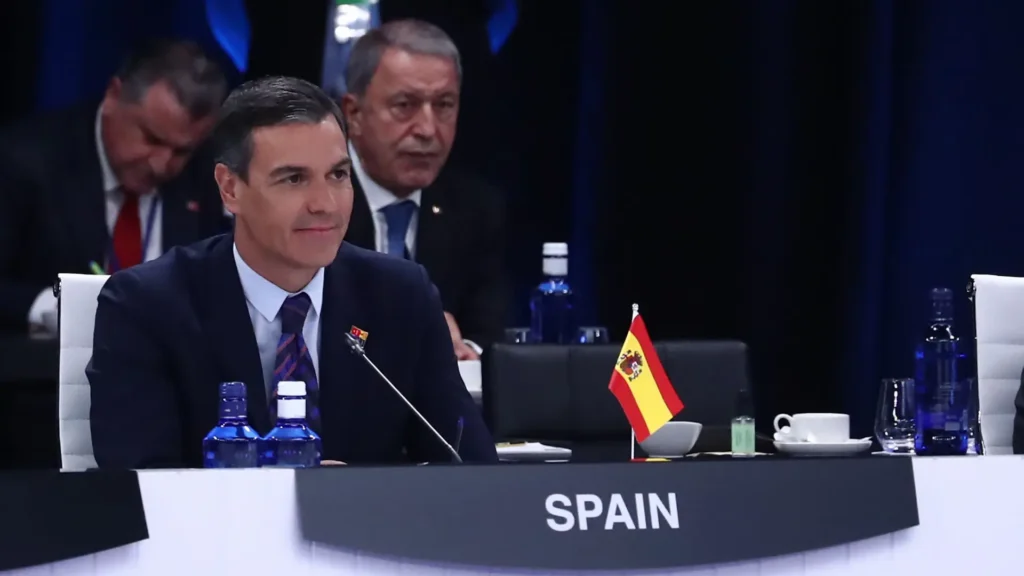
Spanish Prime Minister Pedro Sanchez, who hosted the event, opened the summit with a clear and urgent message:
📺 "La democracia no puede darse por sentada", explica Sánchez en la reunión de líderes progresistas en Barcelona: "El riesgo al que nos enfrentamos todas las naciones es que a la democracia se le vacíe por dentro mientras se le ataca desde fuera" https://t.co/KWUanh0TW6 pic.twitter.com/5T4Z7ICETY
— EL PAÍS (@el_pais) April 18, 2026
Pedro Sanchez Pushes Urgent UN Reform
At the heart of the summit was Pedro Sanchez’s call for urgent reform of the United Nations, one of the most significant political messages to emerge from the Global Progressive Mobilisation.
Sanchez stressed that the current multilateral system no longer reflects modern global realities and risks becoming ineffective if not reformed.
He also proposed appointing a woman as the next UN Secretary-General, framing it as a necessary step toward modernization and representation.
Sanchez warned of a “dangerous normalization of the use of force” in global politics and emphasized that democracy is under pressure both externally and internally.
Democracy Under Threat: Inequality and Disinformation
A major focus of the “In Defense of Democracy” session was the growing crisis facing democratic systems due to economic inequality and disinformation.
Sanchez highlighted a key risk:
“If large parts of society feel the system does not respond, democracy loses legitimacy.”
He warned that extremism thrives in these conditions, not by creating division, but by filling the gaps left by failing institutions.
Key Pillars Identified by Global Leaders
- Strengthening multilateralism
- Regulating digital platforms and algorithms
- Reducing social and economic inequality
Leaders stressed that digital governance is now central to democracy, as misinformation and algorithm-driven polarization continue to shape public opinion.
“We cannot allow disinformation to define our societies,” Sanchez said.
“Nor can we accept systems that reward division and hate.”
From Dialogue to Action: A Turning Point
Unlike previous editions, the Global Progressive Mobilisation summit emphasized action over discussion.
Sanchez called on leaders to move beyond defensive strategies and actively strengthen democratic institutions.
“We must not only defend democracy—we must improve it every day,” he said.
Using a simple but powerful metaphor, he added:
“Concern makes us observe. Responsibility makes us act.”
This shift toward practical solutions and coordinated strategies marked a defining moment for the summit.
Lula Warns Against Global Power Imbalances
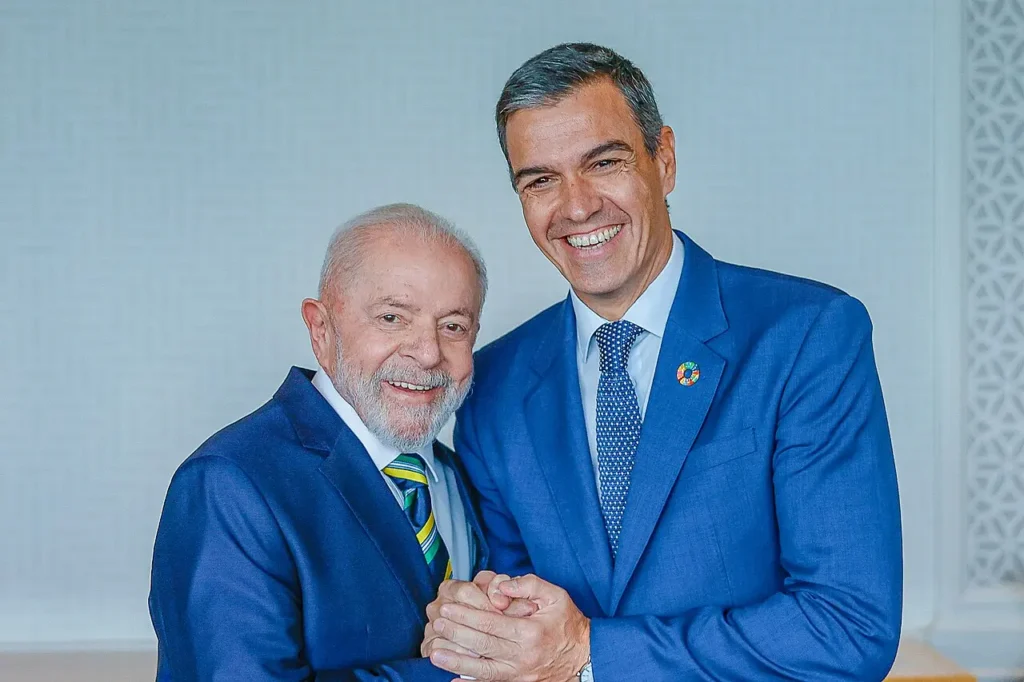
Brazilian President Luiz Inacio Lula da Silva delivered one of the most forceful speeches, criticizing global power dynamics and unilateral decision-making.
Without directly naming Donald Trump, Lula warned about the risks of unpredictable leadership in global politics.
He also highlighted the contrast between rising global conflicts and persistent poverty:
“The world does not need wars. It needs solutions to hunger and inequality.”
Cuba and Non-Intervention Take Center Stage
The issue of Cuba became a recurring theme during the summit.
Both Lula and Mexican President Claudia Sheinbaum called for non-intervention and respect for national sovereignty.
Sheinbaum proposed a joint declaration rejecting military intervention, reinforcing the principle that democracy must respect self-determination.
"España":
— ¿Por qué es Tendencia? (@porktendencia) April 17, 2026
Porque Sheinbaum llegó a Barcelona para mañana representar a México en la IV Cumbre de Defensa de la Democracia pic.twitter.com/VhEsRjlucF
Sheinbaum Rejects Diplomatic Crisis with Spain
Sheinbaum’s presence was one of the most closely watched moments of the Global Progressive Mobilisation, marking her first visit to Europe since taking office.
“There is no diplomatic crisis, and there never has been,” she said.
📺TV en DIRECTO | Claudia Sheinbaum: "Creemos que la democracia implica libertad, pero la libertad es palabra vacía si no la acompaña la justicia social, la soberanía y la dignidad de los pueblos" https://t.co/KWUanh1rLE pic.twitter.com/uFcweeaj76
— EL PAÍS (@el_pais) April 18, 2026
Spain and Mexico Strengthen Strategic Ties
Behind the scenes, Pedro Sanchez and Claudia Sheinbaum held a key bilateral meeting, described as highly productive.
Both leaders discussed:
- European Union and Mexico relations
- Trade and sustainability cooperation
- Digital governance strategies
Spain also welcomed Mexico’s proposal to host the next Global Progressive Mobilisation summit in 2027, signaling long-term collaboration.
A Growing Global Progressive Movement
The Global Progressive Mobilisation is rapidly evolving into a major international platform, supported by leading political organizations and attended by over 3,000 participants and 100 political parties.
Catalonia’s regional president Salvador Illa opened the final session with a call for calm and determination.
“We must confront extremism without fear,” he said.
A Unified Vision for Democracy
While no leader directly targeted specific figures, the summit reflected growing concern over populism, extremism, and unilateral governance.
Colombian President Gustavo Petro summarized the purpose of the gathering:
“This is about offering an alternative model for the world.”
Toward a Renewed Democratic Agenda
Leaders agreed that democracy must evolve to address modern global challenges, including:
- Economic inequality
- Climate change
- Digital transformation
Sanchez concluded with a clear vision:
“Our democracies must adapt to the demands of our time.”
He emphasized that the future of democracy depends on real improvements in people’s daily lives.
“We must confront fear with more democracy and inequality with more justice.”
A Defining Moment for Global Democracy
The Global Progressive Mobilisation in Barcelona may mark a turning point in international political coordination.
With a strong focus on UN reform, democratic renewal, and global cooperation, the summit highlighted a shared urgency among world leaders.
While concrete outcomes remain to be seen, one message is clear:
Information Source:
https://elpais.com/espana/2026-04-18
https://www.rtve.es/noticias/20260418/
Photo Attribution:
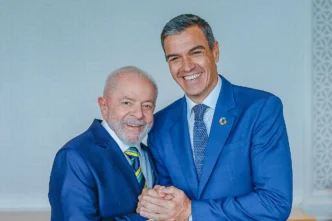
Encontro bilateral com o Presidente de Governo do Reino da Espanha, Pedro Sánchez, by Lula Oficial, Creative Commons Attribution-Share Alike 2.0 Generic license. Wikimedia Commons https://w.wiki/LRpd
Photo: Ministry of the Presidency. Government of Spain (Fernando Calvo Rollán) – via Wikimedia Commons. https://w.wiki/La8s
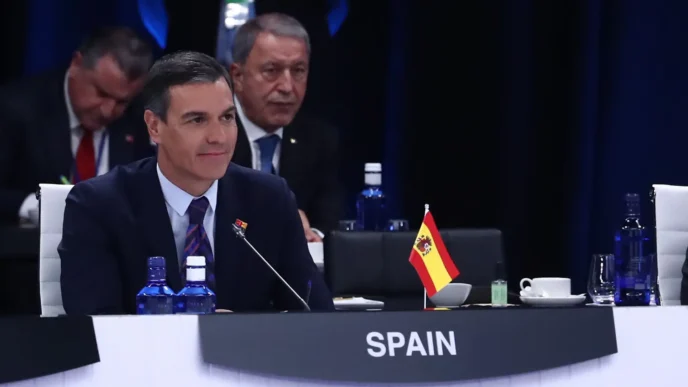
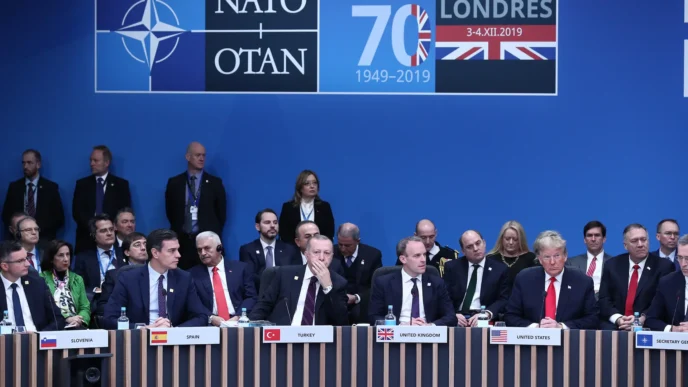
Photo: Pedro Sánchez at the NATO Summit (June 29, 2022)
Source: La Moncloa (Government of Spain)
Author: Pool Moncloa / Fernando Calvo Rollán
License: Government of Spain – free use with attribution https://w.wiki/KZVv