

 English
 Español
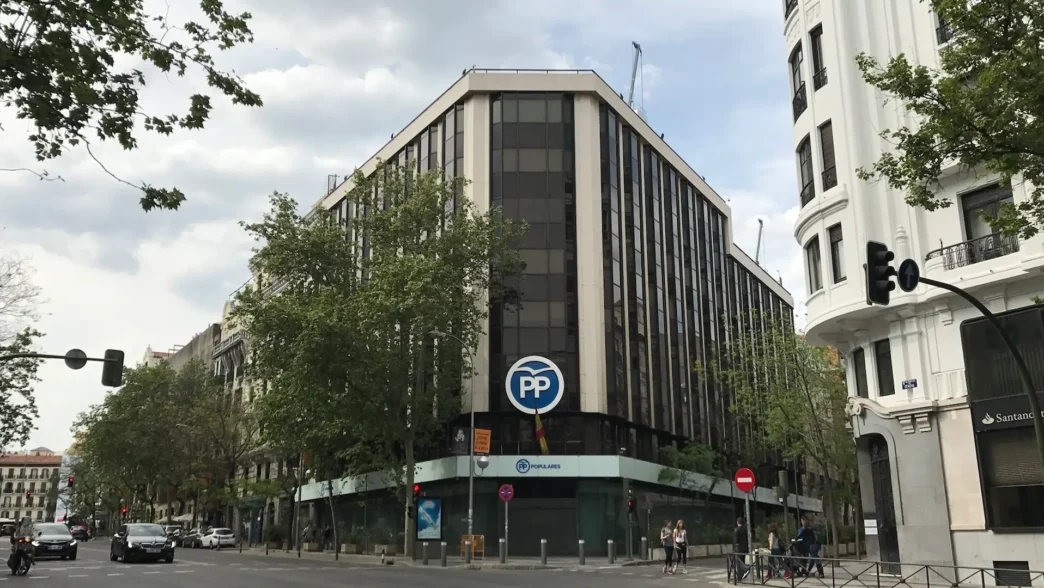
Spain’s Kitchen case, one of the country’s most significant political corruption scandals, has entered a decisive new phase. Former Popular Party treasurer Luis Barcenas has delivered explosive testimony accusing senior figures from the Mariano Rajoy government of orchestrating a covert espionage operation to protect the party from damaging corruption evidence.
The case, already central to Spain’s modern political history, is now drawing renewed international attention as new details emerge about state surveillance, stolen evidence, and alleged abuse of power.
What Is the Spain Kitchen Case? A Political Espionage Scandal Explained
The Spain Kitchen case refers to an alleged secret police operation launched in 2013 to spy on Luis Barcenas and seize sensitive materials linked to illegal party financing.
According to prosecutors, the operation aimed to prevent key evidence from reaching investigators in the Gurtel corruption case, a massive scandal that exposed a network of bribery, illegal contracts, and hidden payments tied to the ruling Popular Party.
Barcenas, a central figure in the Gurtel case, had access to documents that could implicate senior political leaders.
His statement directly challenges earlier judicial conclusions that limited responsibility to the Interior Ministry, instead suggesting that the operation originated within the political leadership itself.
Barcenas Testimony: Allegations Against Rajoy-Era Leadership
During his appearance before Spain’s National Court, Barcenas claimed that the espionage plot was politically driven, not just a rogue police initiative.
He pointed to the leadership of the Popular Party under Mariano Rajoy, arguing that such a complex operation could not have taken place without approval from the highest levels.
The testimony raises a central question:
👉 Did senior political leaders authorize or know about the operation?
Espionage, Surveillance, and Stolen Evidence
A key element of the Kitchen case scandal is the alleged use of state resources for illegal surveillance.
Barcenas described how individuals close to him were recruited as informants, including his driver, Sergio Rios, who allegedly provided access to:
- Mobile phones and private communications
- Personal and financial documents
- Sensitive political material
Prosecutors presented evidence suggesting that Barcenas’ devices were cloned without judicial authorization, allowing authorities to extract emails, messages, and contact lists.
“Yes, this is from my mobile phone,” Barcenas confirmed in court.
If confirmed, these actions would represent a serious violation of legal safeguards and reinforce claims of a state-backed espionage operation.
The Missing Recordings: A Key Piece of the Scandal
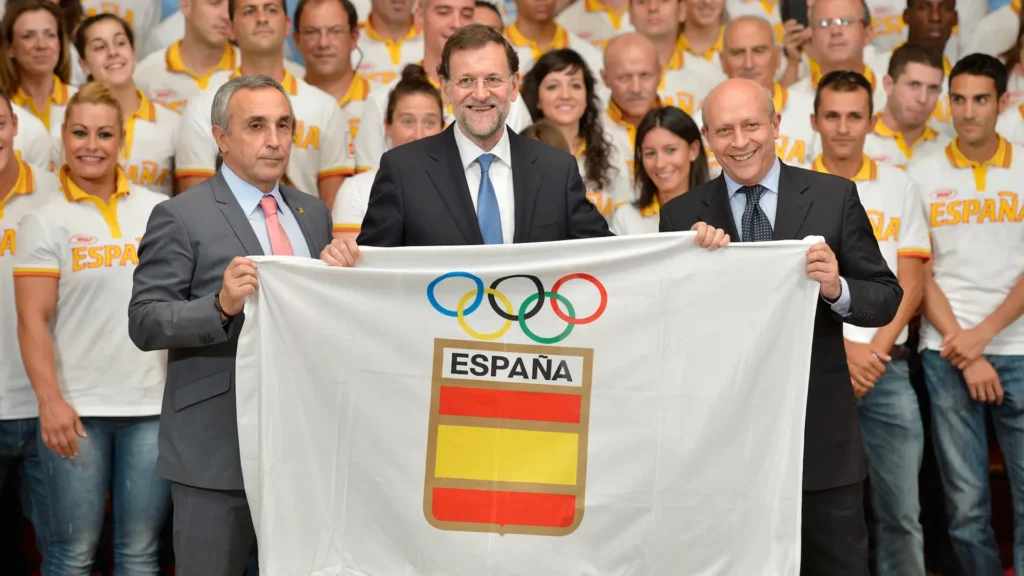
One of the most controversial aspects of the Spain Kitchen case is the alleged existence of secret recordings involving Mariano Rajoy.
Barcenas testified that he stored three recordings, including one in which he and Rajoy allegedly discussed illegal party financing.
He further claimed that:
- The recordings were stored digitally and online
- They disappeared while he was in prison
- They were stolen as part of the operation
In a particularly striking allegation, Barcenas described a meeting in which Rajoy allegedly destroyed a document containing financial information.
“He turned in his chair and put it through a shredder,” Barcenas said.
These claims directly contradict Rajoy’s previous statements denying any knowledge of illegal financing.
Credibility Issues and Contradictions
Despite the impact of his testimony, Barcenas’ credibility remains under scrutiny.
Defense lawyers have highlighted:
- Contradictions in his previous statements
- Earlier denials of the recordings’ existence
- Strategic changes in his legal narrative
Barcenas acknowledged these inconsistencies:
A Wider Surveillance Operation
The Spain political espionage scandal appears to extend beyond Barcenas himself.
Evidence presented in court suggests:
- Surveillance of his family
- Monitoring during his time in prison
- Unauthorized access to personal archives
His wife reportedly noticed suspicious activity, initially assuming it involved journalists, before realizing the surveillance may have been more systematic.
In one case, Barcenas identified documents shown in court as materials he had created while in prison, raising further questions about how they were obtained.
Political Impact: A Test for Spain’s Democracy
The Kitchen case is now a major test of political accountability in Spain.
While the trial focuses on police and Interior Ministry officials, the broader implications are clear:
👉 Can state institutions be used to protect political power?
👉 Where does responsibility lie within government structures?
The potential involvement of Mariano Rajoy remains one of the most sensitive issues.
He is expected to testify as a witness, and his statement could become a turning point in the case.
Why the Kitchen Case Matters Internationally
Although rooted in Spain, the Kitchen case has global relevance.
It touches on critical issues such as:
- Abuse of state power
- Political corruption in democratic systems
- Use of surveillance for political purposes
For international audiences, the case offers insight into how modern democracies handle corruption at the highest levels.
A Defining Corruption Trial in Spain
The Spain Kitchen case is more than a legal battle—it is a defining moment for the country’s democratic institutions.
Barcenas, once a central figure in a corruption scandal, now positions himself as a key witness exposing a broader system of political protection and espionage.
“This should never happen again in a rule-of-law state,” he told the court.
As the trial continues, the outcome could reshape public trust, redefine accountability, and determine how far political power can extend within democratic institutions.
For now, the Kitchen case remains one of the most important corruption trials in Europe—one that continues to raise difficult questions with no easy answers.
Information Source:
https://www.elmundo.es/espana/
Photo Attribution:
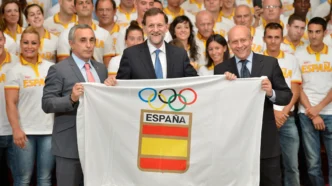
Pres. Rajoy con gran parte de la delegacion de deportistas españoles que iran a Londres 2012. By Ministerio de la Presidencia. Gobierno de España (Pool Moncloa/Diego Crespo), lamoncloa.gob.es Wikimedia Commons https://w.wiki/LRYJ
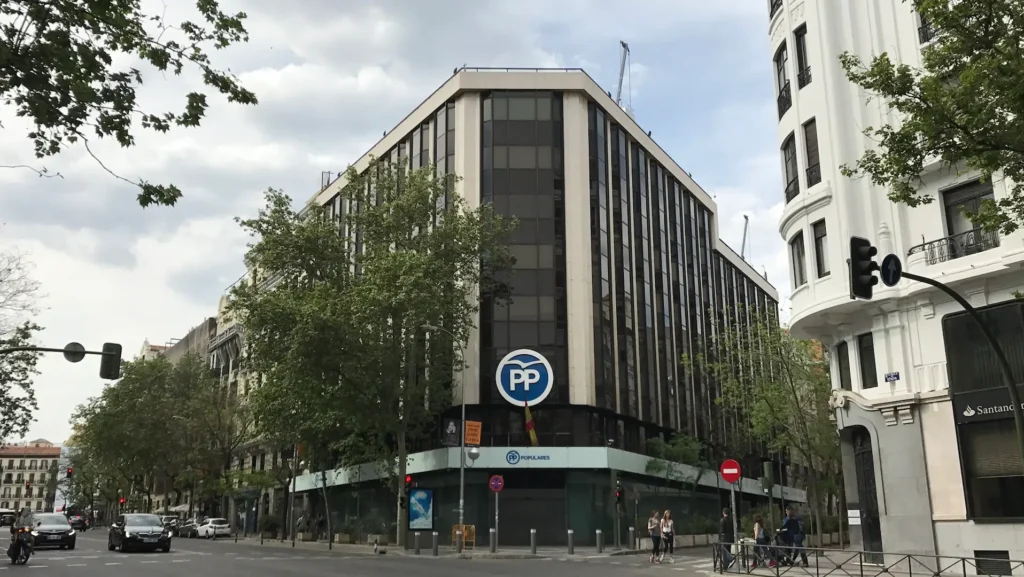
Sede del Partido Popular, by Triplecaña, Creative Commons Attribution-Share Alike 4.0 International, Wikimedia Commons: https://w.wiki/Jo66
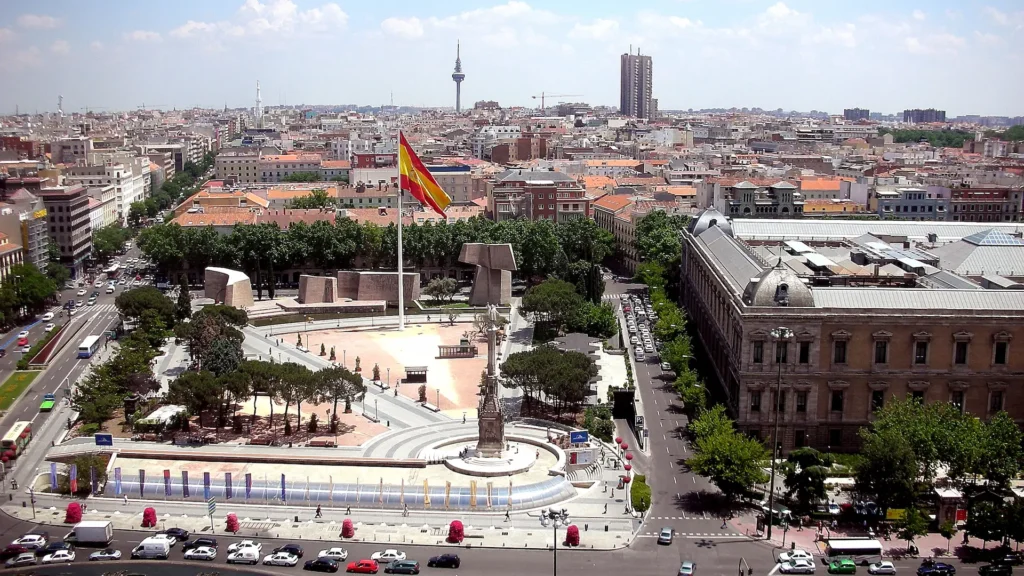
Plaza de Colón, by Enrique Dans, Creative Commons Attribution 2.0 Generic, Wikimedia Commons: https://w.wiki/JGMs