Spain has officially entered the top 15 countries in global military spending after increasing its defense budget by 50% in 2025, reaching $40.2 billion, according to the latest report from the Stockholm International Peace Research Institute.
This sharp rise represents the largest percentage increase among the world’s top military spenders and reflects a broader global trend of rising defense budgets driven by geopolitical instability.
At the same time, global military spending reached a record $2.887 trillion in 2025, marking the 11th consecutive year of growth.
Spain Military Spending 2025: A Historic Increase
Spain now ranks 15th worldwide in military expenditure, a milestone that highlights the scale of its recent defense expansion.
According to SIPRI data, Spain’s increase outpaced all other countries in the top tier, surpassing growth seen in Poland, Italy, and Ukraine.
“This is the first time Spain has joined the group of countries with the highest military spending globally,” said Jordi Calvo of the Centre Delàs of Peace Studies. “The scale of the increase is particularly striking when compared with historical trends.”
The increase is closely tied to the government’s Industrial and Technological Plan for Security and Defense, launched in 2025, with $11.8 billion allocated to strengthen military capabilities and the domestic defense industry.
Is Spain Spending More Than Official Figures Suggest?
While SIPRI estimates Spain’s defense budget at $40.2 billion, independent analysis suggests the real figure may be higher.
The Centre Delàs estimates total military-related expenditure at €39.476 billion (about $42 billion), equivalent to 2.42% of GDP.
This difference is due to broader accounting methods that include:
- Paramilitary personnel costs
- Military research and development
- Overseas missions
- Defense-related debt interest
“To reach 2.42% of GDP, the government has incorporated military-related spending across multiple ministries,” Calvo explained.
This suggests that Spain’s true defense spending is more deeply embedded in public finances than official figures indicate.
Spain Defense Budget Growth Over Time
Spain’s defense spending growth is not just a short-term spike.
- 2016: 1.1% of GDP
- 2025: 2.1% to 2.42% of GDP
This represents a 122% increase in military spending over less than a decade.
The trend reflects broader changes across Europe, particularly following Russia’s invasion of Ukraine and growing uncertainty around transatlantic security commitments.
Global Military Spending Trends in 2025
Spain’s increase is part of a wider global pattern.
According to SIPRI:
- Global spending: $2.887 trillion
- Annual growth: 2.9%
- Top 5 countries: United States, China, Russia, Germany, India
- Share of global total: 58%
“The global increase reflects another year marked by war and geopolitical uncertainty,” said Xiao Liang.
United States and NATO Spending Trends
The United States remains the largest military spender, with $954 billion in 2025, despite a 7.5% decrease from the previous year.
The decline is largely linked to reduced funding for Ukraine, though analysts expect spending to rise again.
“U.S. defense spending could exceed $1 trillion again in 2026,” said Nan Tian.
Across NATO, total military spending reached $1.581 trillion, representing 55% of global defense expenditure.
Europe Leads Global Defense Spending Growth
Europe was the main driver of global military spending growth in 2025, with a 14% increase to $864 billion.
Key trends include:
- 102% increase in European defense spending since 2016
- Rapid rearmament among NATO members
- Rising concerns over long-term security
“Spending is increasing at the fastest pace since the Cold War,” said Jade Guiberteau Ricard.
Germany led the increase, boosting its defense budget by 24% to $114 billion.
War Continues to Drive Military Spending
Countries directly involved in conflict saw significant increases:
- Russia: $190 billion (+5.9%)
- Ukraine: $84.1 billion (+20%)
Ukraine’s military burden reached 40% of GDP, the highest globally.
“If the war continues, spending will likely rise further,” said Lorenzo Scarazzato.
Defense Spending Trends in Other Regions
- Asia and Oceania: +8.1% to $681 billion
- China: $336 billion (+7.4%)
- Middle East: Stable at $218 billion
- Africa: +8.5% to $58.2 billion
U.S. allies in Asia are increasing spending due to regional tensions and uncertainty about security guarantees.
“The trend reflects both geopolitical tensions and shifting alliances,” said Diego Lopes da Silva.
Global Military Spending as a Share of GDP
The global military burden rose to 2.5% of GDP, the highest level since 2009.
Regions with highest defense burden:
- Middle East: 3.8%
- Europe: 3.2%
Countries with the highest burden:
- Ukraine
- Algeria
Israel
Outlook: Will Spain Continue Increasing Military Spending?
Experts expect military spending to continue rising globally, driven by:
- Ongoing conflicts
- Strategic competition
- Long-term defense planning
For Spain, the key question is whether this rapid increase in military spending can be sustained while balancing economic priorities and public debate.
Spain’s entry into the global top 15 signals a major shift in defense policy, positioning the country as a more prominent player in European and NATO security strategy.
Information Source:
https://www.eldiario.es/internacional/
https://www.sipri.org/visualizations/2026/
Photo Attribution:
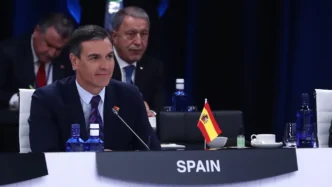
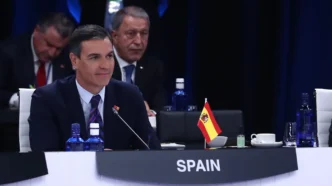
Photo: Pedro Sánchez at the NATO Summit (June 29, 2022)
Source: La Moncloa (Government of Spain)
Author: Pool Moncloa / Fernando Calvo Rollán
License: Government of Spain – free use with attribution https://w.wiki/KZVv
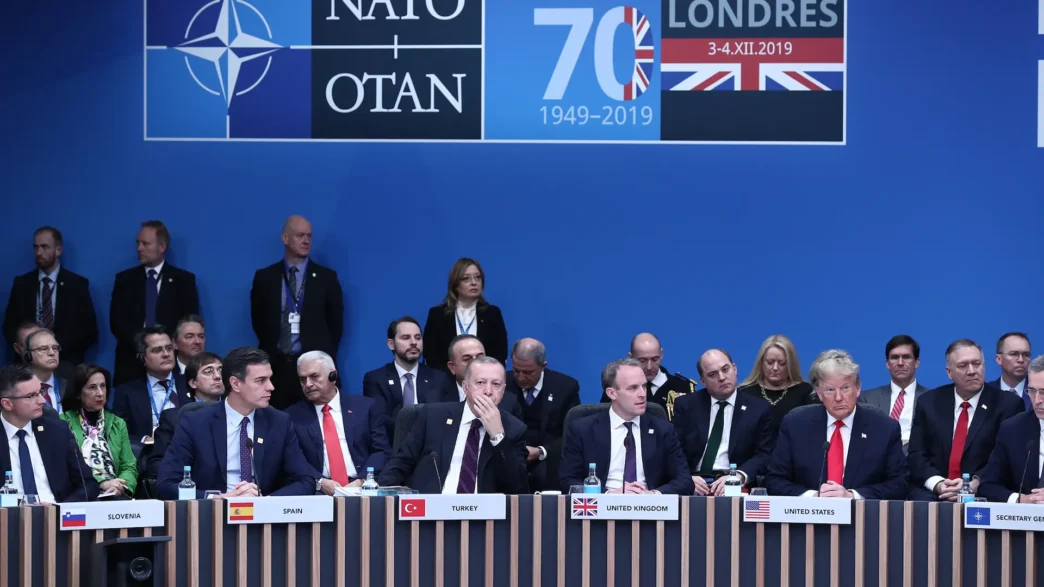
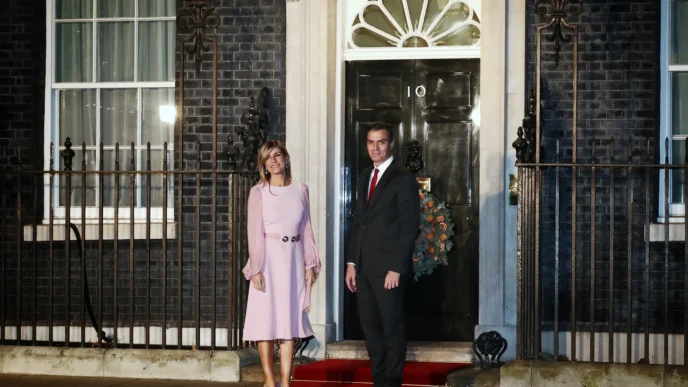
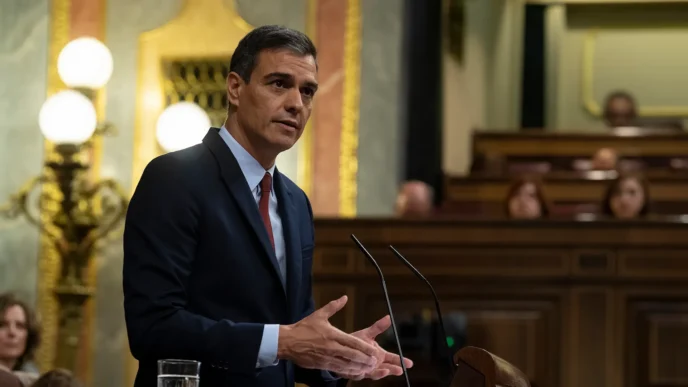
Image: Spanish Prime Minister Pedro Sánchez attending the 2019 NATO summit in London, United Kingdom, on 4 December 2019. Photo by Pool Moncloa/Fernando Calvo, published by the Ministry of the Presidency of the Government of Spain. Used under an attribution-only license; redistribution and reuse permitted with proper credit. Source: Wikimedia Commons / Ministry of the Presidency, Government of Spain. https://w.wiki/JBWu
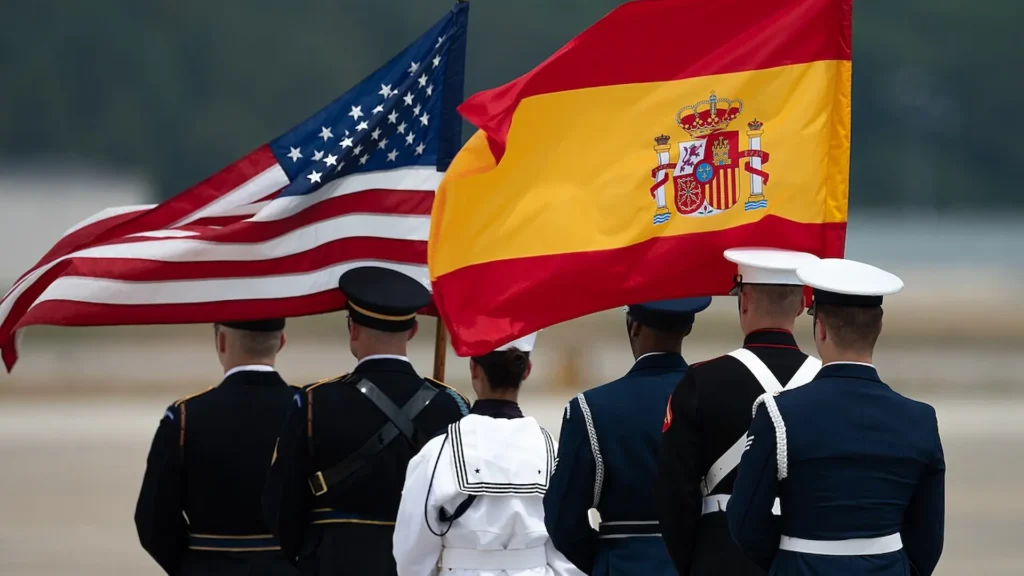
Photo: Staff Sgt. Alex Broome / U.S. Air Force, public domain, via Wikimedia Commons. https://w.wiki/JCjJ
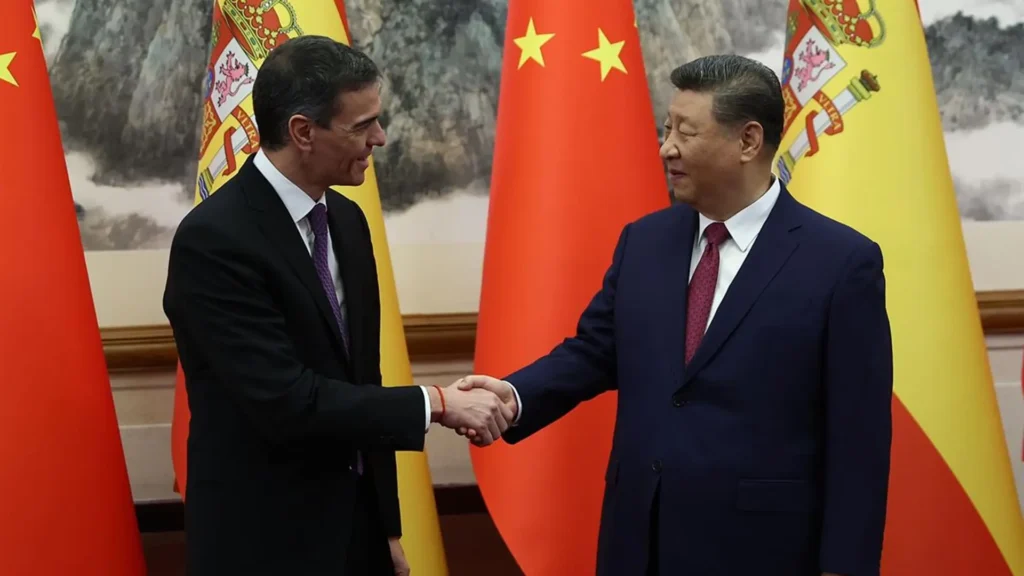
Photo by Fernando Calvo (Pool Moncloa), Ministry of the Presidency, Government of Spain. Source: La Moncloa (11 April 2025)
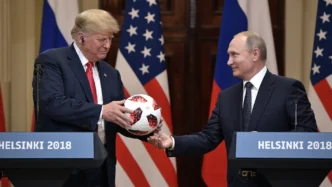
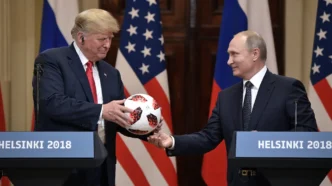
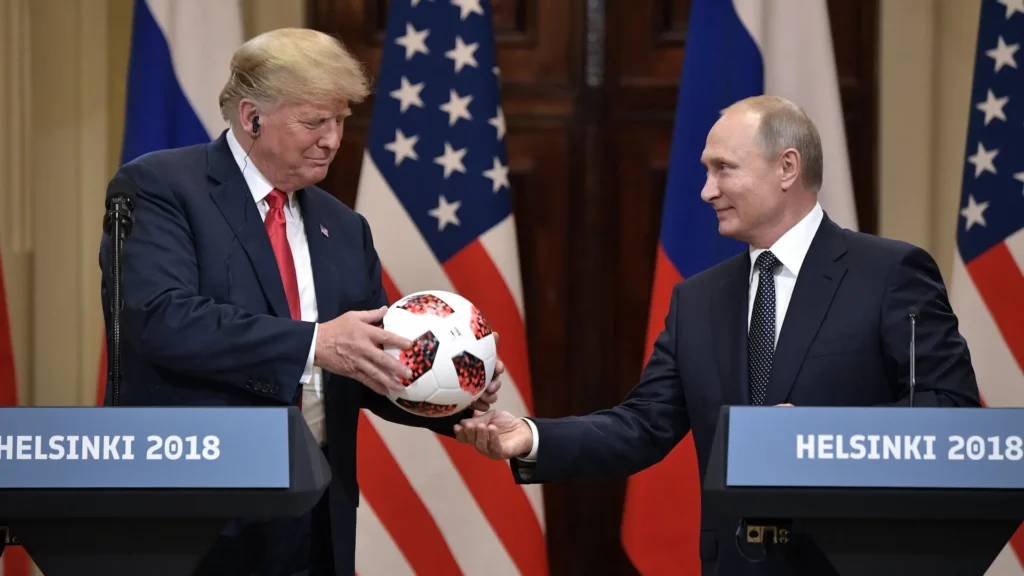
Photo: Vladimir Putin and Donald Trump in Helsinki, 16 July 2018. © Kremlin / CC BY 4.0 Wikimedia Commons
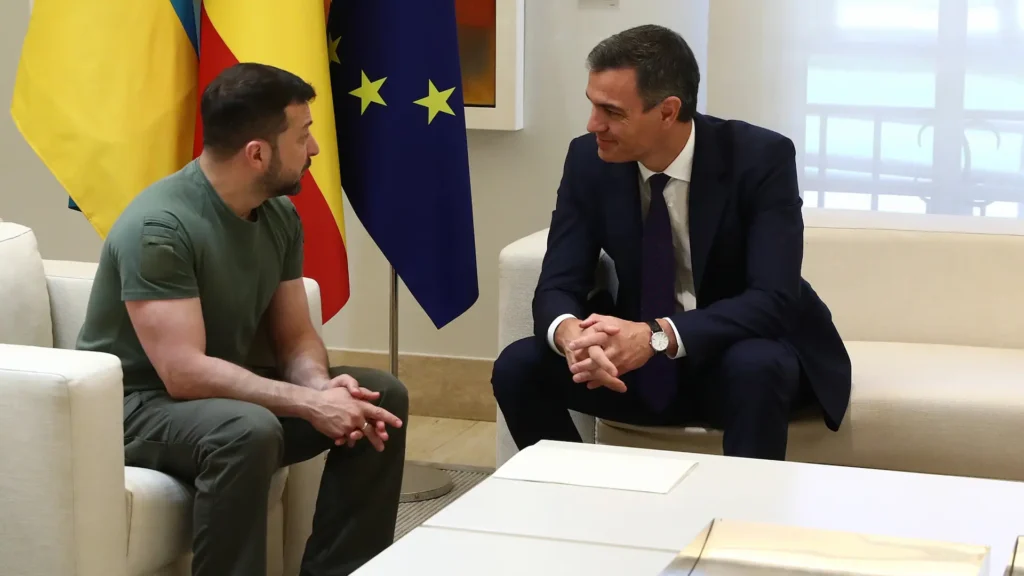
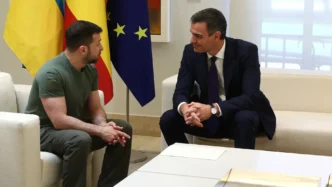
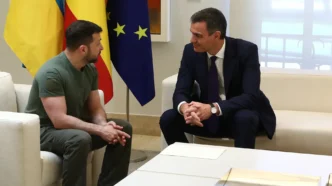
270524-sanchez-reunion-presidente-ucrania2, by Pool Moncloa / Borja Puig de la Bellacasa, Attribution: Ministry of the Presidency. Government of Spain, Wikimedia Commons, https://w.wiki/Jwij
Photo credit: President Pedro Sánchez greets King Felipe VI and Queen Letizia of Spain at the National Day celebrations in Madrid (12 October 2018). © Ministry of the Presidency, Government of Spain / Fernando Calvo, licensed for reuse with attribution via Wikimedia Commons. https://w.wiki/J5PV
English
Español