

 English
 Español
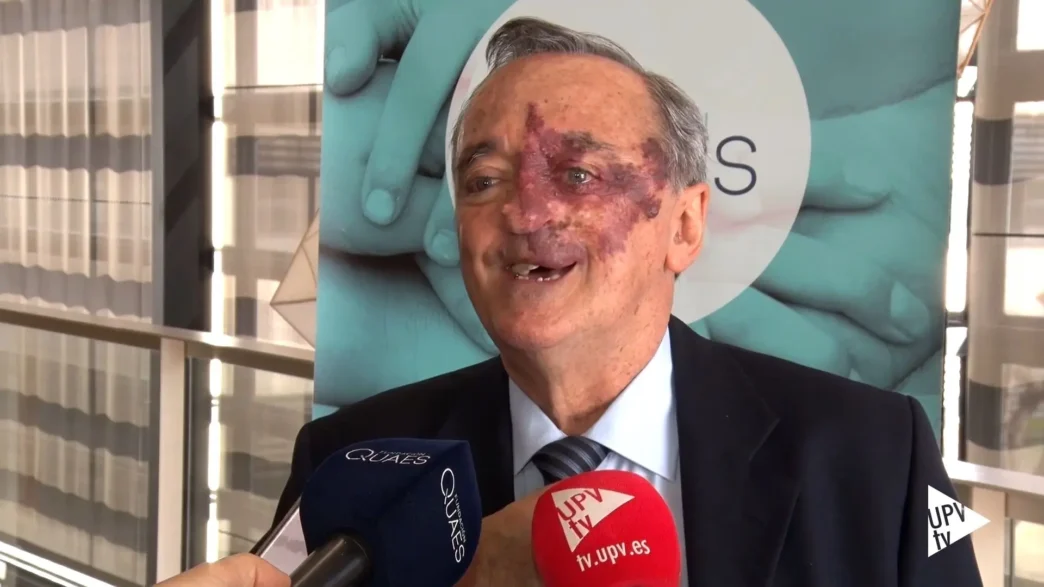
A pancreatic cancer study led by Spanish scientist Mariano Barbacid has been republished by the journal of the National Academy of Sciences after a review of conflict-of-interest disclosures that previously led to its retraction.
The decision marks the latest chapter in a controversy that attracted significant attention in Spain’s scientific community and raised questions about research transparency, fundraising and the future of a promising experimental treatment for one of the world’s deadliest cancers.
Importantly, the dispute did not center on allegations of scientific fraud or manipulated data. Instead, it focused on how conflicts of interest linked to a private company involved in the research had been disclosed. Recent reports indicate that a revised version of the study has now been accepted and published again after additional review.
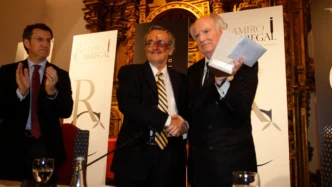
What happened to Mariano Barbacid's pancreatic cancer study?
The story began when researchers at the Spanish National Cancer Research Centre reported encouraging results from an experimental treatment targeting pancreatic cancer in mice.
The study attracted international attention because it combined three therapeutic approaches and appeared capable of eliminating tumors in laboratory animals.
For many patients and families affected by pancreatic cancer, the findings offered hope in an area where medical advances have often been limited.
However, the publication later became the subject of scrutiny over disclosure requirements related to financial interests connected to a biotechnology company associated with the research.
Why was the study retracted?
The original retraction was not based on evidence that the scientific results were false.
Instead, concerns focused on the disclosure of conflicts of interest involving links to Vega Oncotargets, a company connected to the development of treatments based on the research.
Scientific journals require authors to disclose financial relationships that could potentially influence research outcomes or create the appearance of bias.
According to reports, the issue centered on whether those relationships had been fully and appropriately declared in the original publication.
Did the scientific results change?
The debate focused primarily on transparency and disclosure procedures rather than on the validity of the experimental data itself.
As a result, many observers viewed the case as distinct from situations involving fabricated results, manipulated images or scientific misconduct.
The republication of the study reinforces the view that the central issue concerned disclosure requirements rather than the core conclusions of the research.
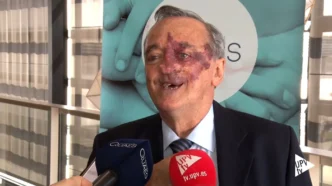
What did PNAS decide?
The journal ultimately published a revised version of the study after reviewing the matter.
This outcome effectively returns the research to the scientific record while addressing the concerns that triggered the original retraction.
The decision is being seen by many researchers as an important development because it allows the scientific community to continue evaluating the findings through normal academic processes.
Mariano Barbacid's response and departure from Vega Oncotargets
During the controversy, Barbacid announced that he would sever ties with Vega Oncotargets.
The move was widely interpreted as an effort to eliminate concerns about potential conflicts of interest and protect the credibility of the research.
His decision became a significant part of the public debate surrounding the case, particularly after questions emerged regarding fundraising linked to the development of future cancer treatments.
The separation from the company was one of several developments that helped reshape discussion of the study in the months following the retraction.
Why pancreatic cancer research matters
Pancreatic cancer remains one of the most difficult forms of cancer to treat.
The disease is often diagnosed at a late stage and survival rates remain significantly lower than for many other major cancers.
Researchers around the world continue to search for new therapeutic approaches capable of improving outcomes.
That is one reason why Barbacid’s work attracted so much attention.
Although the treatment remains experimental and has not been approved for patients, the original results suggested a potentially promising avenue for future research.
What is the triple therapy developed by Barbacid's team?
The experimental strategy combined multiple approaches aimed at attacking pancreatic tumors simultaneously.
The research focused on disrupting biological pathways involved in tumor growth while enhancing the effectiveness of treatment.
In preclinical studies involving mice, the approach produced striking results that generated significant interest among cancer researchers.
However, experts have repeatedly emphasized that results observed in animal models do not guarantee success in human clinical trials.
Further research and testing would be required before any treatment could potentially reach patients.
Timeline of the Barbacid controversy
Initial publication
Researchers publish findings suggesting a triple therapy can eliminate pancreatic tumors in mice.
Scientific attention grows
The study receives significant media coverage in Spain and internationally.
Conflict-of-interest concerns emerge
Questions are raised regarding disclosures linked to Vega Oncotargets.
PNAS retracts the paper
The journal removes the original publication while concerns are reviewed.
Barbacid leaves Vega Oncotargets
The scientist announces his departure from the company connected to the controversy.
PNAS republishes the study
A revised version of the research is accepted and published with updated disclosures.
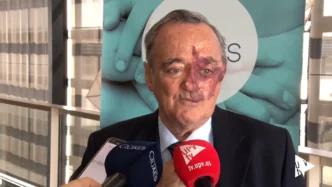
What happens next?
The republication does not mean that a pancreatic cancer cure has been discovered.
Nor does it mean that the treatment is ready for use in hospitals.
What it does mean is that the research remains part of the scientific conversation and can continue to be evaluated, tested and challenged by other experts.
For Barbacid and his team, the decision represents an important step toward moving the discussion back to the science itself rather than the controversy surrounding the publication process.
FAQ Mariano Barbacid and PNAS
Why was Mariano Barbacid's pancreatic cancer study retracted?
The retraction was linked to conflict-of-interest disclosure concerns rather than allegations of scientific fraud or fabricated data.
Was the pancreatic cancer research proven wrong?
No. The controversy focused on disclosure requirements and not on evidence that the scientific findings were invalid.
Did PNAS reverse its decision?
PNAS published a revised version of the study after reviewing the matter and addressing disclosure concerns.
What changed in the republished version?
Reports indicate that updated conflict-of-interest and disclosure information was included as part of the revised publication.
What role did Vega Oncotargets play?
Vega Oncotargets was connected to the development of treatments related to the research and became central to the conflict-of-interest debate.
Is the pancreatic cancer treatment available to patients?
No. The treatment remains experimental and has not been approved for clinical use.
Why is this story important?
The case highlights the difference between scientific misconduct and disclosure disputes, while also focusing attention on promising research into one of the world’s deadliest cancers.
Information Source:
https://www.pnas.org/doi/10.1073/
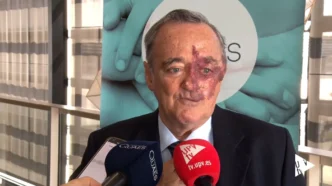
Photo Attribution:
Mariano Barbacid muestra las armas contra el cancer, by UPV Área de Comunicación Creative Commons Attribution 3.0 Unported license. Wikimedia Commons: https://w.wiki/MQyM