

 English
 Español
A Key Moment in Spain-China Relations
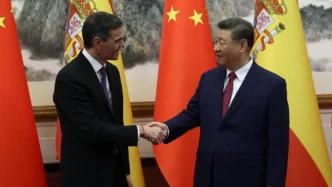
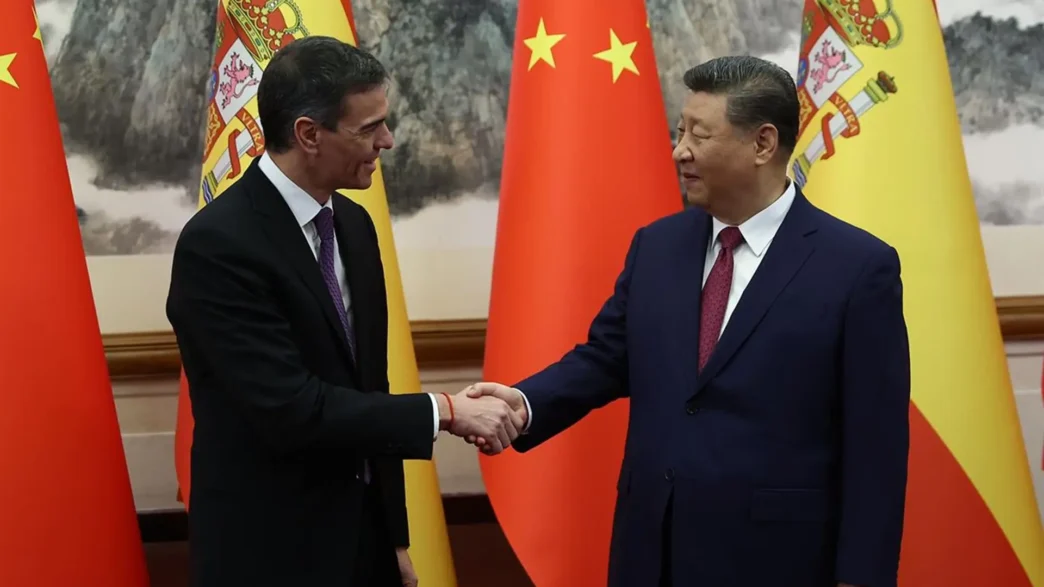
The latest visit by Spanish Prime Minister Pedro Sánchez to China marks a defining moment in Spain-China relations in 2026. As he meets Chinese President Xi Jinping in Beijing, the trip goes far beyond routine diplomacy.
This is Sánchez’s fourth visit to China in four years, but notably the first with full official state status—a signal of deepening diplomatic, economic, and strategic ties between the two countries.
At a time of global geopolitical tension, including the war in Ukraine, instability in the Middle East, and shifting alliances, Spain is positioning China as a key long-term partner in its foreign policy.
👉 Why it matters:
This visit reflects a broader transformation in Spain’s global strategy, moving toward diversification beyond traditional alliances.
Prime Minister Pedro Sánchez is aiming to persuade Chinese firms to share more tech know-how with their Spanish partners on a trip to Beijing next week, sources say https://t.co/hQ8yeC4wLw
— Bloomberg (@business) April 10, 2026
Why Spain Is Strengthening Relations with China
One of the most searched questions today is: why is Spain strengthening ties with China?
The answer lies in a combination of economic necessity, geopolitical strategy, and global uncertainty.
Spain increasingly views China as:
- A critical trade partner
- A source of strategic investment
- A global actor in diplomacy and stability
Spanish Foreign Minister José Manuel Albares described China and the United States as “different but complementary partners”, highlighting a balanced foreign policy approach.
At the same time, Chinese officials and state media have framed Spain as a pragmatic European partner, particularly due to its support for multilateralism and diplomatic solutions to conflict.
Spanish PM Pedro Sánchez begins his official trip to China.pic.twitter.com/4JR1GvSi3z
— Clash Report (@clashreport) April 11, 2026
China as a Strategic Partner in Global Stability
Spain’s foreign policy increasingly recognizes China as a potential stabilizing power in global conflicts.
Although Beijing has maintained a relatively low-profile role in conflicts such as the Middle East, Spanish officials acknowledge its behind-the-scenes diplomatic influence.
This positions Spain within a broader European debate:
How can Europe balance relations between China and the United States without overdependence?
Spain’s answer appears to be clear: engagement without alignment.
A Broader Shift in EU-China Relations
Spain’s approach is not happening in isolation. Across Europe, there is a noticeable shift toward re-engagement with China.
Leaders such as:
- Emmanuel Macron
- Friedrich Merz
have also strengthened diplomatic ties with Beijing.
Even Donald Trump is expected to visit China, highlighting a global recalibration of relations.
Spain-China Trade Relations: Growth and Imbalance
A central pillar of Spain-China relations is economic cooperation—but it comes with challenges.
📊 Key facts:
- Bilateral trade: €60+ billion annually
- Spain’s trade deficit with China: over €40 billion
👉 “This imbalance highlights one of the biggest challenges in Spain-China trade relations.”
Main goals of Sánchez’s visit:
- Improve market access for Spanish exports
- Boost agriculture and manufacturing exports
- Reduce trade imbalance with China
Previous negotiations have already delivered results, including protecting Spain’s pork exports during sanitary restrictions.
China Investment in Spain: Key Sectors to Watch
Another major focus is Chinese investment in Spain, especially in strategic industries.
Spain is targeting investment in:
- Renewable energy
- Electric vehicles
- Digital infrastructure
- Technology and innovation
Meetings with companies like Xiaomi highlight growing cooperation in tech and digital transformation.
👉 Important condition:
Spain insists investments must:
- Create local jobs
- Generate economic value
- Support industrial development
Spain’s Role Between China, the EU, and the US
Spain is positioning itself as a bridge between China and the European Union.
While maintaining alignment with EU trade policies, Madrid aims to:
- Facilitate EU-China negotiations
- Reduce trade friction
- Promote cooperation over conflict
This reinforces Spain’s role in the broader concept of:
➡️ European strategic autonomy
A strategy focused on:
- Reducing dependency on global powers
- Strengthening independent decision-making
Diversifying economic partnerships
The History Behind Spain-China Diplomatic Relations
To understand the present, it’s essential to look at the history of Spain-China relations.
Since the 1970s:
- Relations have been stable and pragmatic
- Governments across political lines have maintained continuity
Key milestones include:
- Felipe González opening early economic ties
- José Luis Rodríguez Zapatero strengthening trade and cooperation
👉 This consistency makes Spain a “reliable partner” in China’s view.
Innovation, Green Energy, and Future Cooperation
The future of Spain-China economic cooperation will be driven by innovation and sustainability.
Key areas include:
- Green energy transition
- Electric mobility
- Climate cooperation
- Scientific research
China’s industrial strength complements Spain’s ambition to become a European hub for renewable energy.
Domestic Politics vs Global Strategy
While Sánchez strengthens Spain’s global presence, he faces domestic political challenges, including:
- Corruption investigations
- Parliamentary tensions
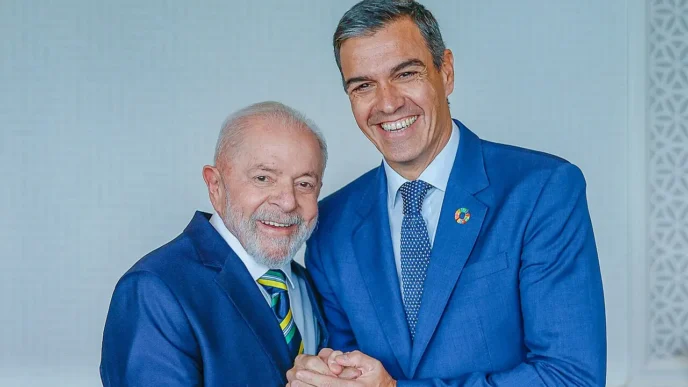
However, his international leadership profile remains strong, reinforced by global engagements with leaders such as Luiz Inácio Lula da Silva.
What the Future Holds for Spain-China Relations
The long-term outlook for Spain-China relations is defined by both opportunity and uncertainty.
Opportunities:
- Expanding trade and investment
- Technological cooperation
- Stronger EU-China dialogue
Challenges:
- Trade imbalance
- Regulatory barriers
- Geopolitical tensions
Spain’s strategy is clear:
👉 Engage broadly, avoid dependency, and maximize economic benefit
Information Source:
https://www.chinadaily.com.cn/
https://www.publico.es/politica/gobierno/
Photo Attribution:
Photo by Fernando Calvo (Pool Moncloa), Ministry of the Presidency, Government of Spain. Source: La Moncloa (11 April 2025)
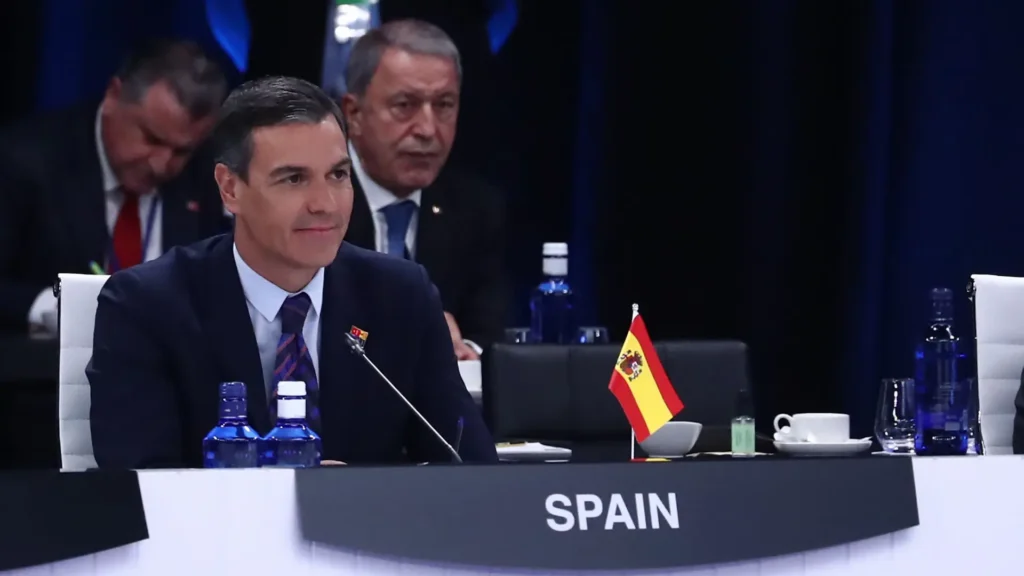
Photo: Pedro Sánchez at the NATO Summit (June 29, 2022)
Source: La Moncloa (Government of Spain)
Author: Pool Moncloa / Fernando Calvo Rollán
License: Government of Spain – free use with attribution https://w.wiki/KZVv
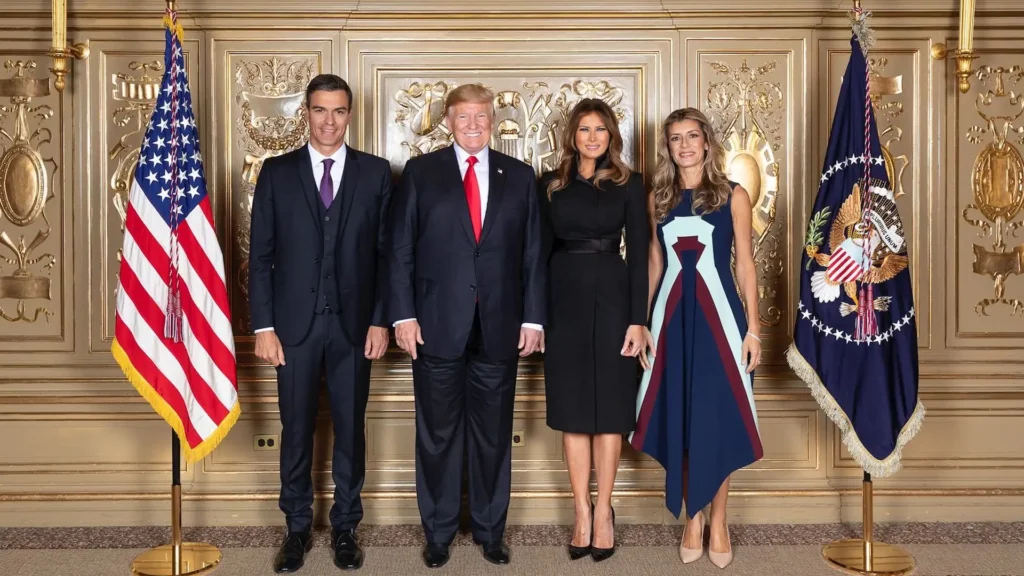
Photo credit: Official White House photo by Andrea Hanks, showing Presidents Donald J. Trump and Pedro Sánchez at the United Nations General Assembly, 25 September 2018. Public domain. Source: Wikimedia Commons (file President_Donald_Trump_and_Pedro_Sánchez.jpg). https://w.wiki/J9zG
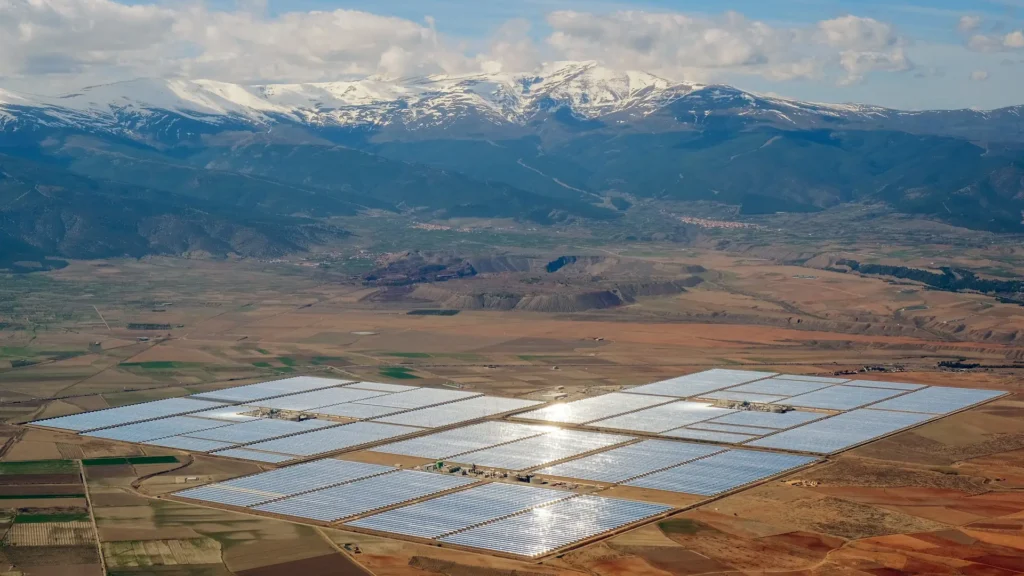
Andasol Guadix 2, by kallerna, Creative Commons Attribution-Share Alike 4.0 International license. Wikimedia Commons: https://w.wiki/KUTK