


 English
 Español
A Historic Opportunity for Migrants in Spain
Spain migrant regularization 2026 is one of the most significant immigration reforms in recent years, offering hundreds of thousands of undocumented migrants a pathway to legal residence and work permits in Spain.
This reform aims to reduce irregular employment, improve social integration, and simplify the immigration application process.
As previously explained in “Spain Launches Migrant Legalization Program: How 500,000 Undocumented Residents Can Get Work and Residence Permits” and “Spain Approves Historic Migrant Regularization Granting Residence and Work Permits to Up to 500,000 People,” this guide provides a clear, step-by-step explanation of:
- Who qualifies
- What documents are required
- How to apply
- Key deadlines to avoid missing out


What Is Spain’s Migrant Regularization Program 2026?
The new regulation under Royal Decree 1155/2024 introduces flexible legal pathways for migrants already living in Spain without authorization.
At its core, the program allows eligible individuals to obtain a Spain residence permit under exceptional circumstances, opening the door to legal employment and long-term stability.
➡️ Up to 500,000 migrants are expected to benefit.
A government spokesperson stated the reform aims to “balance legal certainty with humanitarian considerations.”


Who Qualifies for Spain Migrant Regularization 2026?
To apply for a Spain residence and work permit, applicants must meet these key requirements:
1. Age and Entry Requirement
- Must be 18 years or older
- Must have entered Spain before January 1, 2026
➡️ Important: Even those arriving at the end of 2025 may still qualify.
2. Minimum Stay Requirement (5 Months)
Applicants must prove continuous residence in Spain for at least five months.
Accepted Proof of Stay
- Rental agreements
- Medical records
- School registrations
- Travel tickets
- Any official document with personal identification
➡️ Tip: The more documents you provide, the stronger your application.
3. Criminal Record Requirement
Applicants must show a clean criminal record.
Required:
- Certificates from countries lived in during the last five years
If documents are delayed:
- Proof of request
- Sworn declaration
- Authorization for Spanish authorities
➡️ Applications may be paused up to three months while documents are verified.
Important: A criminal record does not automatically mean rejection. Each case is reviewed individually.
4. Identity Documents
Applicants must submit:
- Passport (valid or expired)
- Official identity document
- Recognized travel document
➡️ These documents must clearly confirm identity and nationality.

Three Main Ways to Qualify
To improve your chances, you must meet at least one of these conditions:
1. Employment or Job Offer
- Proof of work in Spain, or
- A job offer, or
- Plan to work as self-employed
2. Family Connections
- Living with minor children
- Supporting dependents
Caring for close relatives
3. Vulnerability Status
Applicants may qualify if they are in a vulnerable situation, such as:
- Poor living conditions
- Limited access to basic rights
- Economic hardship
➡️ Must be certified by:
- Social services
- Registered organizations


Special Benefits for Families and Children
The law prioritizes family unity and child protection.
Key Advantages:
- Families can apply together
- Children have simplified requirements
- No need to prove:
- Long residence periods
- Financial resources
➡️ Children must still prove five months in Spain.
How to Apply for Spain Residence Permit 2026
Application Timeline
- Start date: April 16, 2026 (online)
- In-person applications: April 20, 2026
- Deadline: June 30, 2026
⚠️ Apply early to avoid delays or rejection.
Where to Apply
You can submit your Spain migrant application through:
- Immigration offices
- Social Security offices
- Postal service offices
- Official government websites
➡️ You may also apply via:
- Lawyers
- Accredited organizations
Application Process (Step-by-Step)
- Complete the official application form
- Gather all required documents
- Submit online or in person
- Respond to requests within 15 days if documents are missing
Fees and Processing Time
- Application fee: Approximately 38 euros
After applying:
- You receive a temporary work permit immediately
- You can work legally in Spain
Decision Time:
- Up to 3 months
➡️ No response = application denied by default
What Happens After Approval?
If approved, you must:
- Apply for a Foreigner Identity Card within one month
➡️ This confirms your legal residence in Spain.
New Legal Pathways Explained
The reform introduces two key options:
1. Pathway for Asylum Applicants
For those who applied before January 1, 2026
2. Extraordinary Regularization Pathway
For migrants who:
- Were in Spain before 2026
Meet work, family, or vulnerability criteria
Integration Requirements
Applicants may need to show efforts to integrate, such as:
- Social participation
- Community involvement
- Language learning
➡️ If official reports are delayed, alternative proof is accepted.
Who Is Not Eligible?
You cannot apply if you:
- Already have a residence permit
- Are renewing your status
- Are under a non-return agreement
- Are banned from entering Spain or the European Union
➡️ Ukrainian nationals follow a separate legal process.
Why This Reform Matters
The Spain migrant regularization program 2026 is designed to:
- Reduce illegal employment
- Boost tax contributions
- Improve social integration
Experts highlight that the success of the program depends on clear communication and accessibility.
Final Thoughts: Act Early and Prepare Carefully
This program offers a unique opportunity to obtain legal status in Spain, but strict deadlines and documentation rules apply.
Key Advice
- Start gathering documents immediately
- Double-check requirements
- Seek professional help if needed
- Submit your application well before June 2026
Spain’s immigration reform could become a model across Europe, showing how to balance migration control with inclusion and opportunity.
Information Source:
https://www.inclusion.gob.es/regularizacion
Photo Attribution:
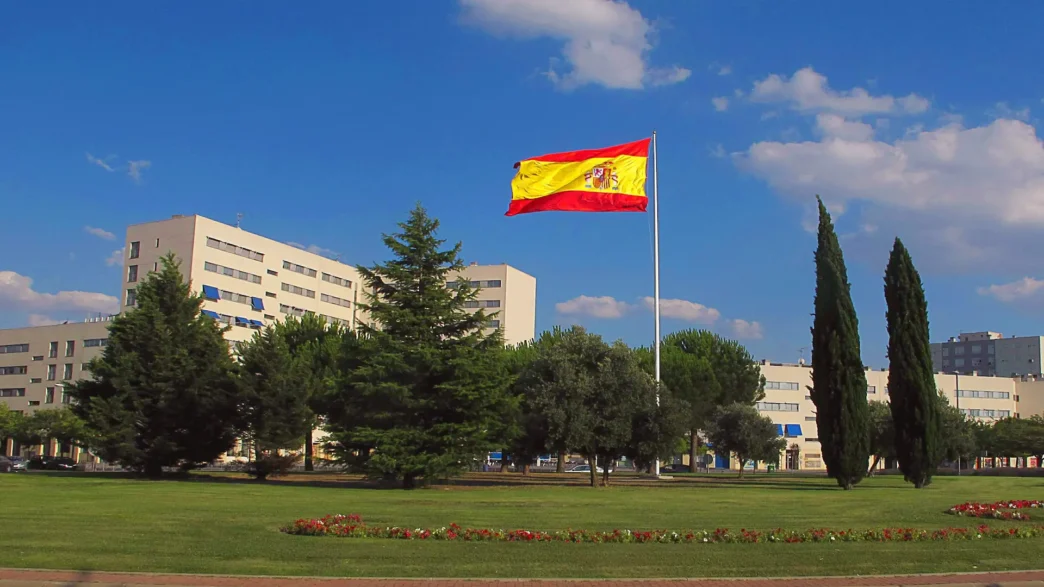
Una gran bandera española en la glorieta del Primero de Mayo de Coslada. By jacinta lluch valero, Creative Commons Attribution-Share Alike 2.0 Generic license. https://w.wiki/LEEt
Mijas 10, by Olaf Tausch, Creative Commons Attribution 3.0 Unported license. Wikimedia Commons:https://w.wiki/KEwy
Plaza de Colón, by Enrique Dans, Creative Commons Attribution 2.0 Generic, Wikimedia Commons: https://w.wiki/JGMs
The Guadalquivir embankment in Seville. Spain, by Ввласенко Creative Commons Attribution-Share Alike 3.0 Unported license. Wikimedia Commons: https://w.wiki/KFLN