

 English
 Español
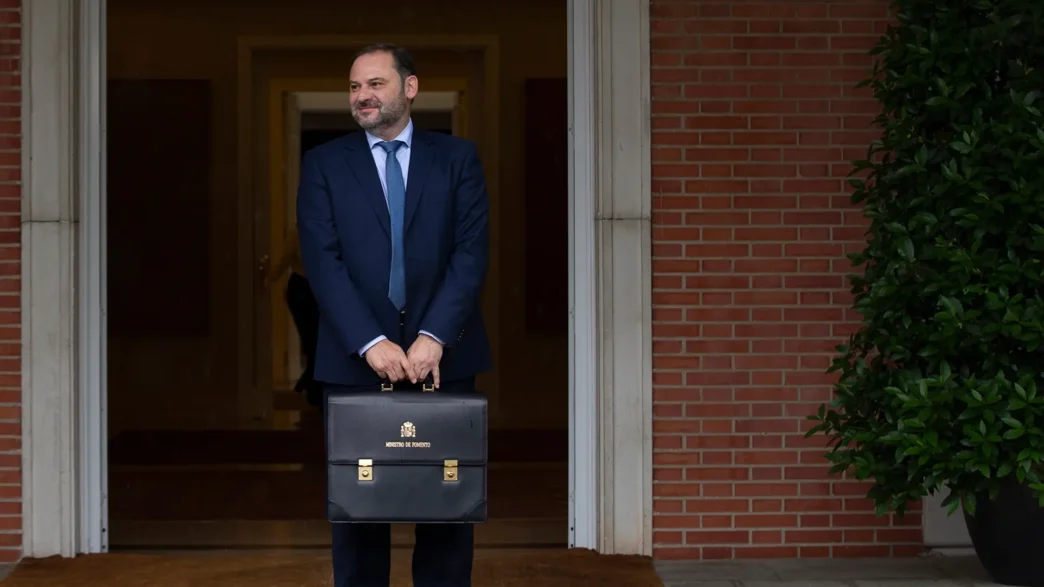
Madrid — Spain’s corruption trial involving former Transport Minister José Luis Ábalos has entered a decisive phase, drawing national attention as prosecutors push for up to 30 years in prison over alleged irregularities in COVID-19 contracts.
The case, centered on the procurement of face masks during the pandemic, has become one of the most significant political corruption investigations in Spain in recent years.
Ábalos, once a key ally of Prime Minister Pedro Sánchez, now stands at the center of a legal battle that could reshape Spain’s political landscape.
High-Stakes Trial Nears Final Stage
The Spain corruption trial, which began on April 7, is approaching its conclusion after weeks of testimony from defendants, investigators, and key witnesses.
Alongside José Luis Ábalos, the court is also examining the roles of:
- Koldo García, former adviser to the minister
- Víctor de Aldama, businessman accused of acting as a central intermediary
Prosecutors are requesting:
- 24 years in prison for Ábalos
- 19 years for Koldo García
- 7 years for Víctor de Aldama
However, private prosecutors linked to opposition groups are demanding harsher penalties, seeking up to 30 years for Ábalos.
This case builds on previous investigations highlighted in Spain Corruption Scandal Explained: COVID Contracts Investigation, Key Figures, and Ongoing Trial and Spain Corruption Trial: Aldama Testimony Links Pedro Sanchez to Alleged COVID Contracts Kickback Scheme, reinforcing its broader political significance.
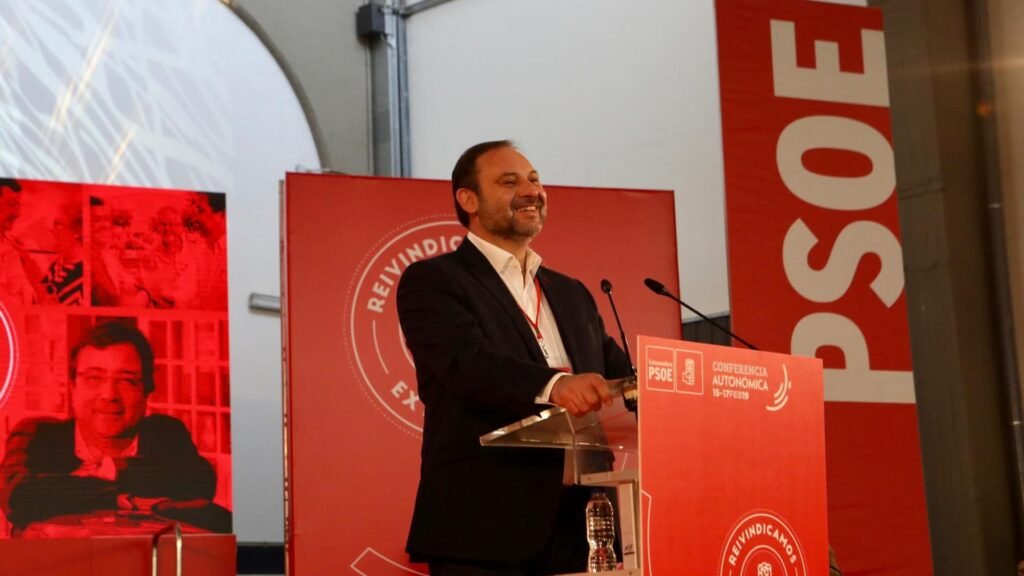
Ábalos Denies Corruption Allegations
During his testimony before the Supreme Court, José Luis Ábalos strongly denied any involvement in corruption or illegal commissions.
“I have never participated in any contracting process,” he stated.
He insisted that his only priority during the pandemic was ensuring the rapid arrival of protective equipment at a time of national emergency.
“We were facing extreme urgency. Essential workers needed protection immediately,” he said.
Ábalos emphasized that contracting decisions were handled by technical teams, not by him personally.
Dispute Over €94,000 Financial Evidence
A central point in the Spain COVID contracts scandal is the allegation that investigators found approximately €94,000 in unexplained funds linked to Ábalos.
The former minister dismissed the figure as misleading.
He argued that the amount averages roughly €500 per month, rejecting claims that he received millions in illegal kickbacks.
Tensions Rise Inside the Courtroom
The hearing saw moments of tension as Ábalos refused to answer questions from private prosecutors, accusing them of politicizing the case.
He also declined to respond to the defense of Víctor de Aldama, criticizing the businessman’s credibility and accusing him of making broad, unproven allegations.
Conflicting Testimonies Shape the Case
The Spain corruption trial has been marked by contradictory accounts.
Víctor de Aldama previously claimed that Ábalos played a central role in an organized corruption network linked to public contracts.
Meanwhile, investigators from the Civil Guard suggested that the alleged scheme would not have operated without political backing.
Ábalos rejected these claims.
“I did not deal with him regarding any contract. Not at all,” he said.
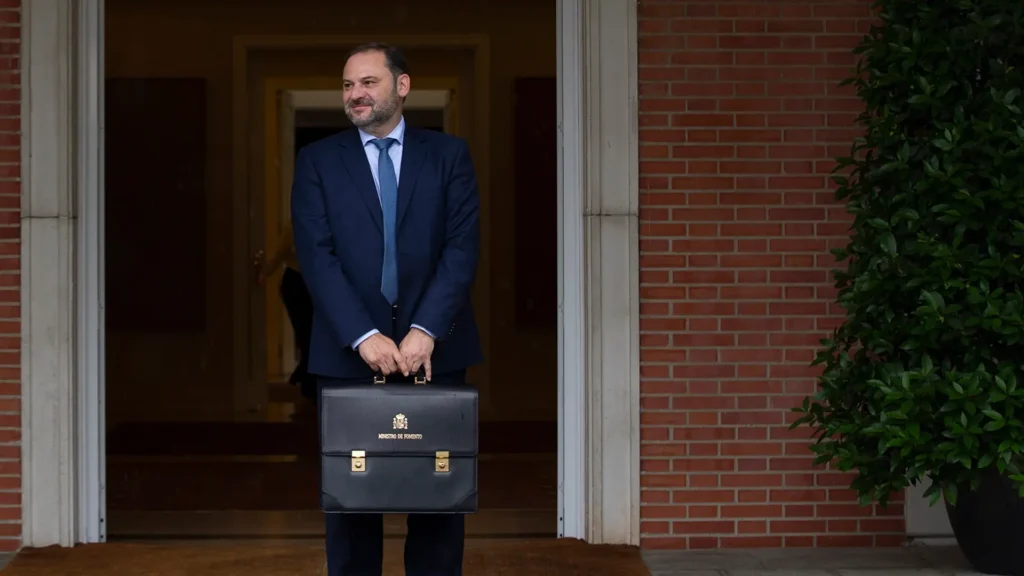
Focus on Koldo García’s Role
Prosecutors have placed significant attention on Koldo García, who allegedly managed financial flows and relationships within the network.
Ábalos acknowledged García’s administrative role but denied wrongdoing.
Controversy emerged over references to cash payments, which investigators linked to slang terms for high-value banknotes.
Ábalos firmly rejected this interpretation.
COVID Contracts Under Scrutiny
At the core of the case are emergency contracts awarded during the COVID-19 crisis, when Spain faced severe shortages of protective equipment.
Ábalos defended the government’s response:
“We needed masks urgently. That was the only instruction.”
He maintained that he did not intervene in selecting suppliers, stating that decisions were made by technical and administrative officials.
Additional Allegations and Controversies
The investigation has expanded beyond contracts to include:
- Real estate-related benefits
- Influence in public sector hiring
- Personal financial arrangements
Ábalos denied all allegations and questioned the credibility of testimony from individuals linked to the case.
“I believe some statements were made under pressure,” he said.
Political Impact Across Spain
The Spain political corruption case has deepened divisions across the country.
Opposition parties argue that the trial reflects systemic corruption, while supporters of the government warn against politicizing judicial proceedings.
Although Prime Minister Pedro Sánchez has not been charged, the case continues to generate significant political pressure.
Defense Focuses on Pandemic Context
A key element of Ábalos’s defense is the extraordinary context of the pandemic.
He described a period of intense pressure, with urgent decisions required to protect public health.
“People were afraid. The pressure was immense,” he recalled.
According to Ábalos, this context explains the speed and structure of procurement decisions.
What Happens Next in the Trial
With testimonies nearly complete, the trial will soon move to:
- Documentary evidence review
- Closing arguments
A final verdict is expected in the coming months, although delays remain possible due to the complexity of the case.
Legal experts warn that the outcome could have lasting consequences for public trust in institutions.
A Defining Moment for Spain
The trial of José Luis Ábalos represents a defining test for Spain’s political and judicial system.
It brings together pandemic crisis management, corruption allegations, and political accountability at the highest level.
While prosecutors argue the case exposes a coordinated corruption scheme, Ábalos maintains he is the target of a politically driven campaign.
As the trial nears its conclusion, its impact is expected to extend far beyond the courtroom, shaping Spain’s political future and public debate for years to come.
Frequently Asked Questions (FAQ)
What is the Spain corruption trial involving José Luis Ábalos about?
The Spain corruption trial, “Caso Mascarillas” focuses on allegations that former Transport Minister José Luis Ábalos participated in a scheme involving illegal commissions linked to COVID-19 contracts, particularly in the procurement of face masks during the pandemic. Prosecutors claim the contracts were awarded irregularly, while Ábalos denies any wrongdoing.
What charges does José Luis Ábalos face?
José Luis Ábalos faces multiple charges, including alleged corruption, influence peddling, bribery, and misuse of public funds. If convicted, he could face up to 30 years in prison, depending on the final ruling and the charges upheld by the court.
How much money is involved in the alleged corruption case?
Investigators have identified approximately €94,000 in unexplained funds linked to Ábalos. However, prosecutors argue that the broader Spain COVID contracts scandal may involve significantly larger sums through alleged commissions and indirect benefits.
Who are the key figures in the Spain COVID contracts scandal?
The main individuals involved in the case include:
- José Luis Ábalos, former Transport Minister
- Koldo García, his former adviser
- Víctor de Aldama, businessman accused of acting as an intermediary
These figures are central to the investigation into the alleged corruption network.
What role did COVID-19 contracts play in the case?
The “Caso Mascarillas” centers on emergency contracts awarded during the COVID-19 pandemic, when Spain urgently needed protective equipment. Authorities are investigating whether these contracts were used to channel illegal commissions or favors.
What has José Luis Ábalos said in his defense?
Ábalos has denied all corruption allegations, stating that he never participated in contract decisions or received illegal payments. He argues that all procurement decisions were handled by technical and administrative bodies, and emphasizes the urgency of the pandemic situation.
When will the Spain corruption trial verdict be announced?
The trial is currently in its final phase, with closing arguments and evidence review pending. A verdict is expected in the coming months, although delays are possible due to the complexity of the case.
Could the case impact Spain’s government?
Yes. The Spain political corruption case has already increased political pressure on the government. While Prime Minister Pedro Sánchez has not been charged, the case continues to influence public opinion and political debate across the country.
Why is this trial important for Spain?
This case is considered a major test of political accountability and judicial independence in Spain. It combines issues of public health crisis management, corruption allegations, and high-level political responsibility, making it one of the most significant trials in recent years.
Information Source:
https://www.rtve.es/noticias/20260504/
https://www.eldiario.es/politica/
Photo Attribution:
Gobierno de Pedro Sánchez en la XII Legislatura. Ministerio de la Presidencia. Gobierno de España (Pool Moncloa/César P.Sendra) Attribution: Ministry of the Presidency. Government of Spain lamoncloa.gob.es Wikimedia Commons https://w.wiki/Mdqu
(José Luis Ábalos) Conferencia Autonómica by psoe Extremadura Creative Commons Attribution 2.0 Generic license. Wikimedia Commons: https://w.wiki/LPVc
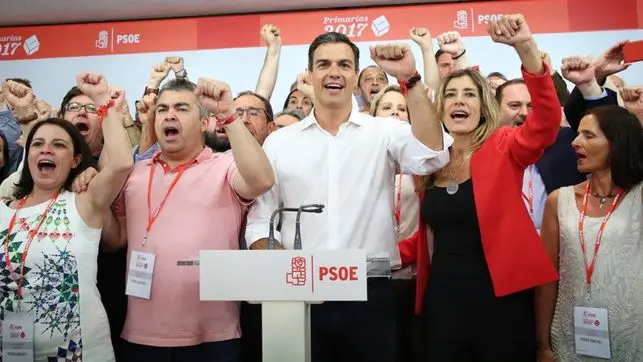
Photo: Pedro Sánchez after winning the PSOE primaries, singing “La Internacional” (21 May 2017). By Marta Jara / eldiario.es. Licensed under CC BY-SA 3.0 Spain.