

 English
 Español
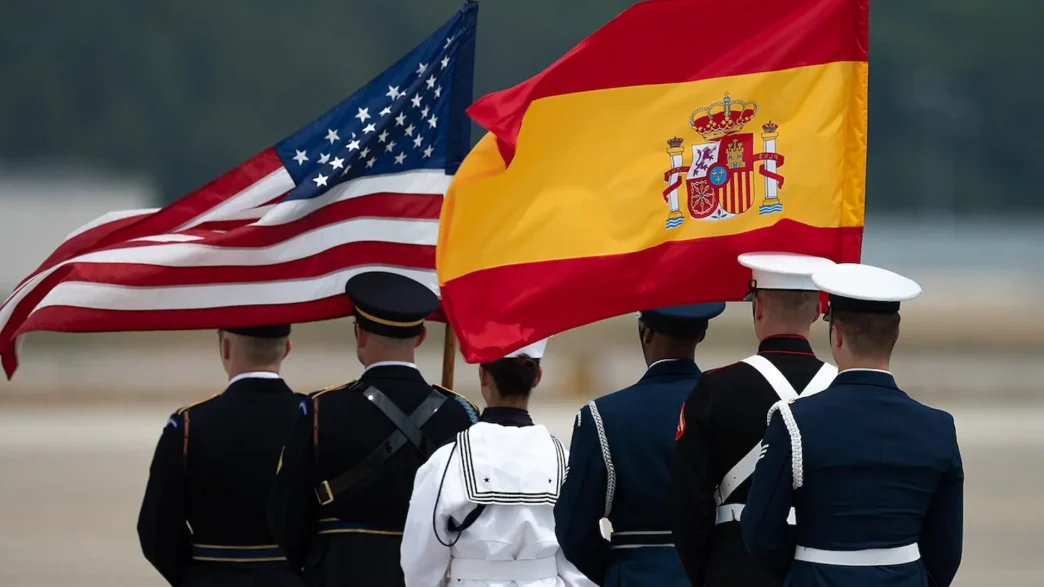
Rising pressure inside NATO
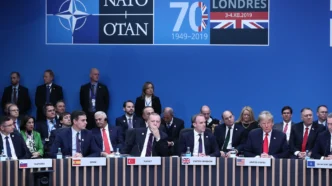
Donald Trump’s renewed calls to reduce US military deployments in Europe have reignited debate inside NATO about burden-sharing, strategic dependence, and the future of transatlantic defense.
Following discussions about troop reductions in Germany and signals of potential adjustments in Italy and Spain, the US military presence in Europe has become a growing political flashpoint.
At the center of this debate are two key installations in southern Spain: Naval Station Rota and Morón Air Base. While they host only a few thousand personnel, their strategic importance is significantly greater than their size suggests.
Although often framed as a financial burden, defense experts argue that US military bases in Spain are not just about protecting Europe — they are essential infrastructure for American global military power projection.
Add Your HeHow many US troops are in Spain?ading Text Here
The United States maintains approximately 3,700 to 4,300 military personnel in Spain, depending on rotations and operational needs.
- Naval Station Rota (Cádiz): around 2,000–3,000 personnel, including military families and civilian staff
- Morón Air Base (Seville province): several hundred permanently stationed personnel, plus rotational deployments
Spain consistently ranks among the top European hosts of US forces, alongside Germany, Italy, and the United Kingdom.
Despite relatively modest numbers, Spain plays a disproportionately large role in US defense planning due to its geography and infrastructure.
What are US military bases in Spain used for?
The two main installations serve distinct but highly complementary strategic roles within NATO and US global operations
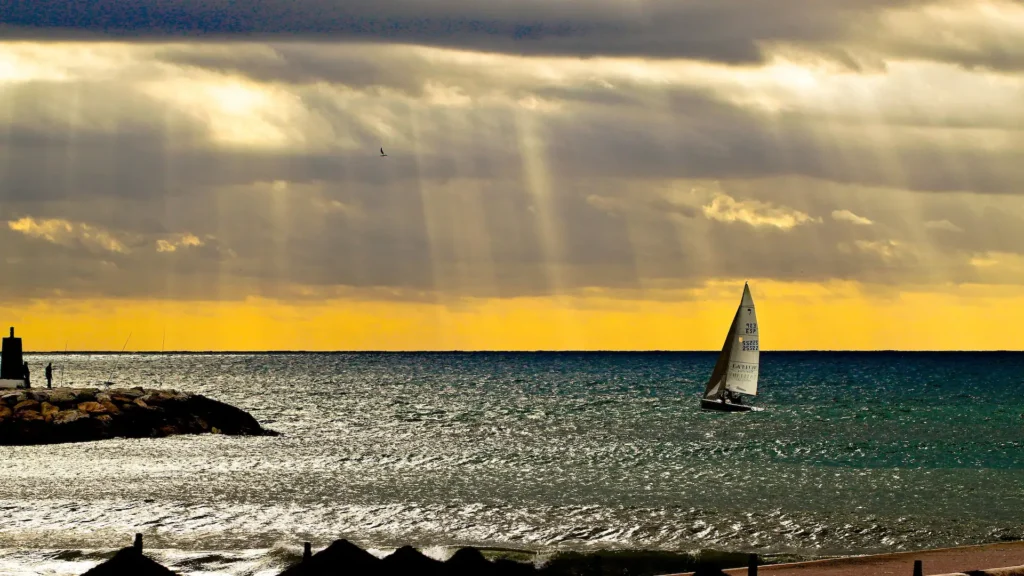
Naval Station Rota: NATO’s “Gateway to the Mediterranean”
Located in Cádiz, Naval Station Rota is a joint Spanish–US naval facility that supports destroyers, logistics operations, and NATO missile defense systems.
Key functions:
- Naval operations across the Atlantic and Mediterranean
- NATO missile defense integration
- Maintenance and logistics for US Navy destroyers
- Strategic access to the Strait of Gibraltar
US naval forces stationed in Rota allow rapid deployment toward:
- North Africa
- The Middle East
- Eastern Atlantic maritime routes
Due to its deep-water port and location, Rota is widely regarded as a strategic gateway between continents.
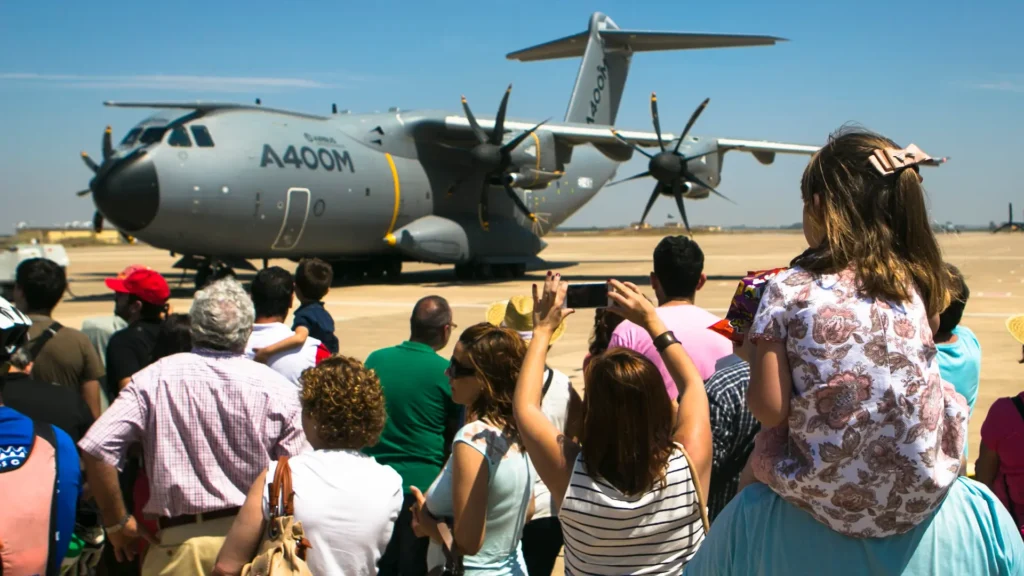
Morón Air Base: Europe’s forward air operations hub
Located approximately 60 kilometers from Seville, Morón Air Base is a key logistics and air mobility center for US and NATO operations.
Primary roles:
- Aerial refueling missions using KC-135 tanker aircraft
- Rapid troop deployment across multiple theaters
- Strategic airlift operations between the United States, Europe, Africa, and the Middle East
- Support for operations in North Africa and the Sahel region
Morón has supported US missions in Iraq, Kosovo, and multiple African operations. Its runway capacity and favorable weather conditions make it one of the most reliable forward air hubs in Europe.


Why Spain is strategically important to the United States
Although relatively small in scale, US military bases in Spain provide capabilities that few global locations can match.
1. Strategic geographic position
Spain sits at a natural crossroads connecting:
- Europe
- Africa
- The Atlantic Ocean
- The Mediterranean Sea
This positioning allows the United States to project military power in multiple directions simultaneously.
2. The Strait of Gibraltar advantage
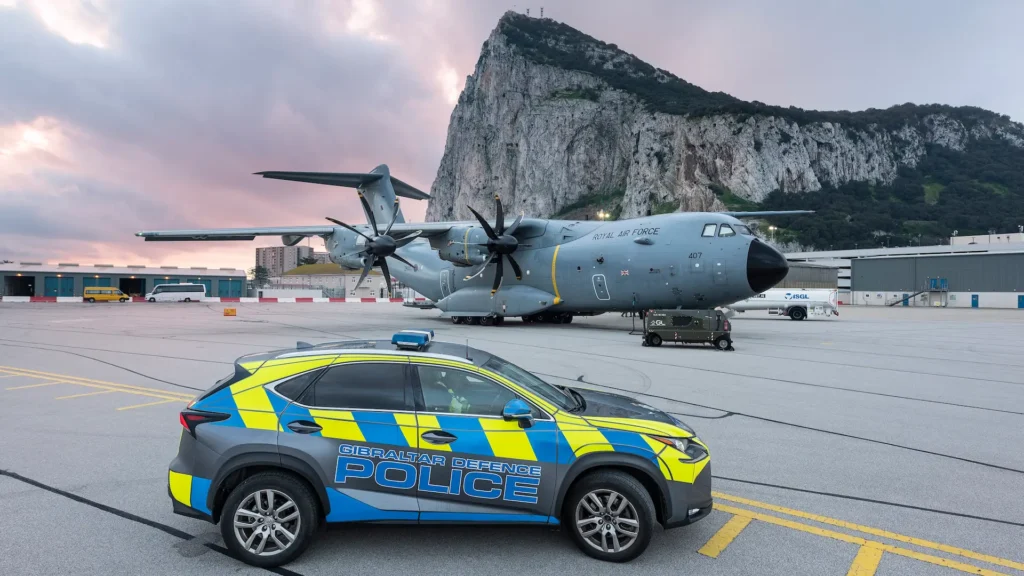
Rota’s proximity to the Strait of Gibraltar, one of the world’s most important maritime chokepoints, gives the US Navy strategic control over a key global shipping route connecting the Atlantic and Mediterranean.
3. Operational flexibility across multiple regions
From Spain, US forces can respond rapidly to crises in:
- North Africa
- The Middle East
- Eastern Europe
- The Sahel region
This makes Spain a forward deployment platform, not simply a defensive base.
4. NATO integration and missile defense
Both Rota and Morón are fully integrated into NATO operations. Rota also supports NATO missile defense systems, strengthening collective security across Europe.
US troops in Europe: comparative distribution
Below is a breakdown of US military presence in key countries based on recent defense data.
| Country | Estimated US Personnel |
|---|---|
| 🇩🇪 Germany | ~48,000 |
| 🇮🇹 Italy | ~15,000 |
| 🇬🇧 United Kingdom | ~11,700 |
| 🇪🇸 Spain | ~3,700 |
| 🇧🇪 Belgium | ~1,800 |
| 🇯🇵 Japan | ~60,000 |
| 🇰🇷 South Korea | ~27,000 |
👉 Spain represents a smaller but highly strategic node within a global US military network.
Who benefits more: Spain, Europe, or the United States?
The US military presence in Spain is often described as NATO protection for Europe. However, the reality is more complex and mutually dependent.
Benefits for Europe and Spain:
- NATO deterrence against external threats
- Economic activity linked to military presence
- Shared military infrastructure and training
- Faster response capabilities during crises
Benefits for the United States:
- Global force projection capability without mainland basing
- Strategic access to three continents
- Lower operational costs compared to domestic deployment
- Direct integration with NATO systems
- Control over critical maritime and air routes
In practice, Spain functions as a strategic launch platform for US global military operations, not simply a defensive outpost.
Trump’s NATO withdrawal pressure: political signal or real shift?
Trump’s comments targeting NATO allies, including Germany, Spain, and Italy, reflect a broader political strategy focused on increasing European defense spending.
However, structural limitations make a full US withdrawal from Europe highly unlikely:
- Legal restrictions on unilateral troop reductions
- NATO and congressional oversight requirements
- Shared cost structures with allies
- High replacement costs for existing infrastructure
- Strong bipartisan support for NATO within the United States
Even critics acknowledge that a complete US exit from NATO is politically improbable.
Legal framework governing US bases in Spain
US military presence in Spain operates under bilateral defense agreements aligned with NATO structures.
Key principles include:
- Spain retains sovereignty over its territory
- US forces require authorization for specific operations
- Military activities must align with NATO or bilateral objectives
Recent disagreements over operational use, including restrictions related to Middle East operations, highlight how legal frameworks can limit US flexibility.
The deeper strategic reality: global reach, not only defense
Former NATO commanders and senior US military officials consistently emphasize that Europe is not only a defensive perimeter but also a forward operating platform for global missions.
US strategy depends on maintaining forward deployment in Europe to ensure rapid response capability across multiple theaters.
Within this framework, Spain is not peripheral — it is a central component of global US military logistics and strategy.
Beyond political rhetoric
The debate over US military bases in Spain is often framed in political terms, but strategically the reality is clearer.
- The United States depends on Spain for global mobility and rapid deployment
- Europe depends on the United States for deterrence and security guarantees
- NATO functions as an integrated operational system rather than a hierarchy
While political rhetoric may challenge this balance, the underlying infrastructure of US military presence in Spain remains one of the most important — and least understood — pillars of modern Western defense strategy.
❓ FAQ: US Military Bases in Spain
What US military bases are located in Spain?
The United States operates two main military installations in Spain: Naval Station Rota in Cádiz and Morón Air Base near Seville. These bases support NATO operations, naval deployments, aerial refueling missions, and rapid troop mobility across Europe, Africa, and the Middle East.
How many US troops are stationed in Spain?
The US maintains approximately 3,700 to 4,300 military personnel in Spain, depending on rotations and operational needs. Most forces are located at Naval Station Rota and Morón Air Base, along with civilian staff and military families.
Why does the US have military bases in Spain?
The United States uses bases in Spain due to its strategic geographic location between Europe, Africa, and the Atlantic Ocean. These installations allow rapid deployment of forces, support NATO missions, and provide access to key maritime routes such as the Strait of Gibraltar.
Is Spain important for NATO operations?
Yes. Spain plays a significant role in NATO strategy. US bases in Spain support missile defense systems, naval operations, and rapid response missions, making the country a key logistical and operational hub for transatlantic security.
Can the United States withdraw troops from Spain?
In practice, a full withdrawal is unlikely. US troop levels in Spain are governed by bilateral agreements and NATO frameworks, and any major reduction would require political and congressional approval. Additionally, Spain provides infrastructure that is strategically difficult and costly to replace.
What is Naval Station Rota used for?
Naval Station Rota serves as a major US and NATO naval hub. It supports destroyer operations, logistics, missile defense systems, and provides direct access to the Atlantic and Mediterranean regions, enabling rapid naval deployment.
What is Morón Air Base used for?
Morón Air Base is a key US air mobility and refueling hub in Europe. It supports aerial refueling missions, troop transport, and rapid deployment operations across Europe, Africa, and the Middle East.
Information Source:
https://english.elpais.com/international/
https://www.elmundo.es/como/2026/03/
Photo Attribution:
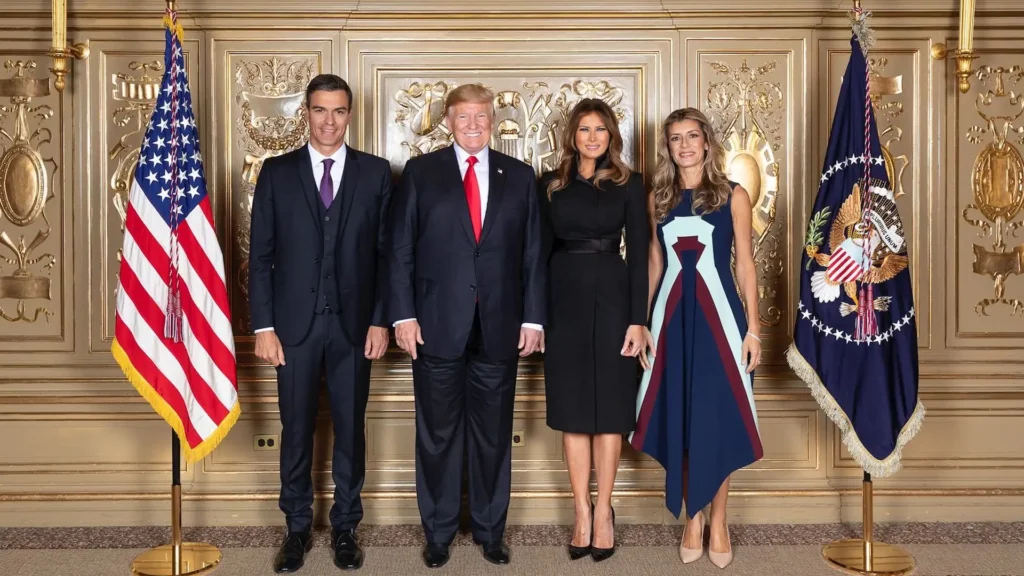
Photo credit: Official White House photo by Andrea Hanks, showing Presidents Donald J. Trump and Pedro Sánchez at the United Nations General Assembly, 25 September 2018. Public domain. Source: Wikimedia Commons (file President_Donald_Trump_and_Pedro_Sánchez.jpg). https://w.wiki/J9zG
Photo: Staff Sgt. Alex Broome / U.S. Air Force, public domain, via Wikimedia Commons. https://w.wiki/JCjJ
Image: “Happy 75th Anniversary, Morón Air Base” – by Sgt. Paul Peterson U.S. Marine Corps photograph (public domain, official government work). https://w.wiki/MWgh
Imagen: RAF Gibraltar A400M durante la Operación Newcombe.
Autor: UK Ministry of Defence (Open Government Licence v1.0).
Fuente: Wikimedia Commons. https://w.wiki/J2Ms
Sailing at Marbella, Spain, by Stephen Heron Creative Commons Attribution-Share Alike 2.0 Generic license. Wikimedia Commons: https://w.wiki/KLGs