

 English
 Español

Spain’s political landscape has become increasingly dominated by a fierce debate over corruption investigations, judicial independence and accusations of lawfare.
As investigations involving PSOE figures, Pedro Sánchez’s wife Begoña Gómez, his brother David Sánchez, former Transport Minister José Luis Ábalos and individuals linked to the Koldo corruption case continue to generate headlines, supporters and critics of the government are offering sharply different interpretations of what is happening.
For government allies, the concentration of investigations, leaks and media attention raises concerns about possible lawfare — the alleged use of legal mechanisms to weaken political opponents.
For critics, the explanation is straightforward: serious allegations are being examined by independent courts as part of the normal functioning of a democratic system.
The dispute has transformed lawfare in Spain into one of the most controversial issues in contemporary Spanish politics.
Key Takeaways
- Lawfare refers to the alleged political use of judicial proceedings against opponents.
- PSOE leaders and government allies have raised concerns about possible lawfare.
- Critics argue the investigations represent normal judicial accountability.
- Several high-profile corruption investigations linked to figures close to Pedro Sánchez have intensified the debate.
- The controversy has become central to discussions about judicial independence, media influence and political polarization in Spain.
What Is Lawfare?
Lawfare generally refers to the alleged use of courts, prosecutors or legal procedures as political weapons against opponents.
The concept has appeared in political debates across Latin America, Europe and the United States, often involving investigations into senior political figures.
Supporters of the term argue that judicial systems can sometimes become instruments for achieving political goals that would be difficult to accomplish through elections alone.
Critics counter that accusations of lawfare can be used to undermine legitimate investigations into corruption, misconduct or abuse of power.
Because of these competing interpretations, there is no universally accepted definition of lawfare, making it one of the most contested concepts in modern politics.
Why Has Lawfare Become a Major Political Issue in Spain?
The debate has intensified because multiple investigations involving individuals connected to PSOE and the political environment surrounding Pedro Sánchez have emerged within a relatively short period.
The accumulation of controversies has produced:
- Daily media coverage
- Parliamentary confrontations
- Public accusations of judicial bias
- Disputes over media influence
- Growing political polarization
Supporters of the government argue that the volume and timing of these investigations raise legitimate questions.
Opponents insist that the investigations are simply the result of allegations being examined through established legal procedures.
Which PSOE Corruption Cases Are Fueling the Lawfare Debate?
Several investigations have become central to the controversy.
The Begoña Gómez Investigation
The investigation involving Begoña Gómez, the wife of Pedro Sánchez, has attracted significant political and media attention and has become one of the most discussed cases in Spain.
The David Sánchez Investigation
The judicial scrutiny surrounding David Sánchez, the prime minister’s brother, has added further pressure on the government and intensified political debate.
The Koldo Case
The Koldo case, which centers on allegations connected to public procurement contracts during the pandemic, has become one of the most damaging corruption scandals linked to figures formerly associated with PSOE.
The José Luis Ábalos Investigation
Former Transport Minister José Luis Ábalos has also become a central figure in ongoing investigations that continue to dominate Spain’s political agenda.
Together, these cases form the factual basis of the current lawfare debate.
Why Supporters of the Government Speak of Lawfare
Those who believe lawfare may be occurring point to several factors.
The timing of investigations
Some government supporters argue that certain judicial developments, leaks, or public disclosures appear during politically sensitive moments, including election periods or major legislative battles.
They suggest that the timing itself contributes to public suspicion about political motivations.
Media amplification
Another frequently cited argument concerns media coverage.
Supporters of the lawfare thesis argue that allegations often receive enormous attention during the initial stages of an investigation, while subsequent developments, dismissals, or clarifications may receive far less visibility.
In this view, reputational damage can occur regardless of the final judicial outcome.
Previous political precedents
Advocates of this position often reference earlier cases involving political figures in Spain who were subjected to investigations that later collapsed, were dismissed, or resulted in limited judicial consequences.
For them, these examples demonstrate that legal processes can sometimes have significant political effects even when convictions never occur.
Statements from political allies
Several government officials, PSOE representatives, and political figures from the broader left have openly suggested that elements of lawfare may be present in Spain’s current political environment.
Some have drawn parallels with previous debates involving other political parties and movements that claimed to have been targeted through judicial and media pressure.
Why Critics Reject the Lawfare Argument
Opponents of the government strongly dispute the lawfare interpretation.
Judicial independence
The primary argument is that Spain’s judiciary operates independently from the executive branch and that investigations are initiated based on complaints, evidence, or judicial procedures rather than political instructions.
According to this view, questioning investigations solely because they affect governing politicians risks undermining public confidence in democratic institutions.
The seriousness of the allegations
Critics argue that several of the cases currently under scrutiny involve allegations serious enough to warrant investigation.
They maintain that democratic accountability requires judicial authorities to examine such claims regardless of the political consequences.
Lawfare as a political defense mechanism
Another common criticism is that invoking lawfare can become a convenient political narrative whenever governments face legal difficulties.
Under this interpretation, accusations of judicial persecution may distract attention from the substance of allegations and shift the debate toward institutional legitimacy instead.
The role of the media
Critics also reject the idea that extensive coverage automatically proves coordination or political intent.
They argue that investigations involving senior political figures are inherently newsworthy and therefore attract substantial media attention.
Could Both Sides Be Partially Right?
One reason the debate remains so intense is that the reality may not fit neatly into either camp.
Some analysts argue that it is entirely possible for legitimate investigations to coexist with highly polarized political and media environments.
In such circumstances, genuine allegations may be investigated appropriately while simultaneously becoming tools within broader political battles.
Others note that modern democracies increasingly experience conflicts in which judicial proceedings, media narratives, social media campaigns, and political strategy become deeply intertwined.
This complexity makes the lawfare debate particularly difficult to resolve.
What Makes Spain's Current Situation Unusual?
Spain has experienced political scandals before.
What distinguishes the current moment is the convergence of multiple factors:
- Several investigations involving figures linked to the governing party.
- Intense political polarization.
- Constant media coverage.
- Growing distrust between political blocs.
- Public accusations of judicial bias and institutional manipulation.
Whether one views these developments as evidence of lawfare or simply as the consequences of democratic scrutiny, the concentration of controversies has undeniably intensified political tensions.
For international observers, Spain increasingly resembles other democracies where disputes over the judiciary, political legitimacy, and corruption have become central political battlegrounds.
What Happens Next?
The answer may depend less on political rhetoric and more on judicial outcomes.
As investigations continue, future court decisions, dismissals, indictments, or convictions will likely shape public perceptions of whether the current wave of cases reflects ordinary accountability or something more politically charged.
In the meantime, the debate itself is unlikely to disappear.
The term lawfare has entered Spain’s political vocabulary, and it is now being used by supporters and critics alike as they attempt to explain one of the most turbulent periods in recent Spanish politics.
Whether history ultimately views the current moment as a case of democratic accountability, political warfare, or a mixture of both remains an open question.
Frequently Asked Questions About Spain's Lawfare Debate
What does lawfare mean in Spanish politics?
Lawfare generally refers to the alleged use of legal systems, judicial proceedings, or prosecutorial actions to damage political opponents. The concept remains controversial and is interpreted differently depending on political perspectives.
Why is PSOE being linked to the lawfare debate?
The debate has emerged because several investigations involving PSOE figures, government allies, and people linked to Pedro Sánchez have coincided with accusations from some politicians that judicial and media actions are being used for political purposes.
Has the Spanish government accused the judiciary of lawfare?
Some government officials, PSOE representatives, and political allies have suggested that elements of lawfare may exist in Spain’s current political environment. However, interpretations vary widely across the political spectrum.
What corruption cases are contributing to the debate?
The discussion is driven by multiple investigations and controversies involving figures connected to PSOE, Pedro Sánchez’s political circle, and other government-linked personalities. These cases have generated significant political and media attention.
Do critics agree that lawfare exists in Spain?
No. Critics argue that the investigations reflect the normal operation of independent judicial institutions and democratic accountability rather than politically motivated legal warfare.
Why has the lawfare debate become so important in Spain?
The combination of corruption investigations, political polarization, intense media coverage, and competing narratives about judicial independence has transformed lawfare into one of the most discussed issues in contemporary Spanish politics.
Is there evidence that lawfare is occurring in Spain?
The existence of lawfare is the subject of political debate rather than established fact. Supporters and critics interpret the same events differently, and the issue remains highly contested.
How could ongoing investigations affect the debate?
Future judicial decisions, including dismissals, indictments, acquittals, or convictions, are likely to influence how the public and political actors interpret the current controversy in the years ahead.
Information Source:
https://www.eldiario.es/euskadi
Photo Attribution:
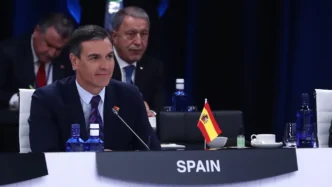
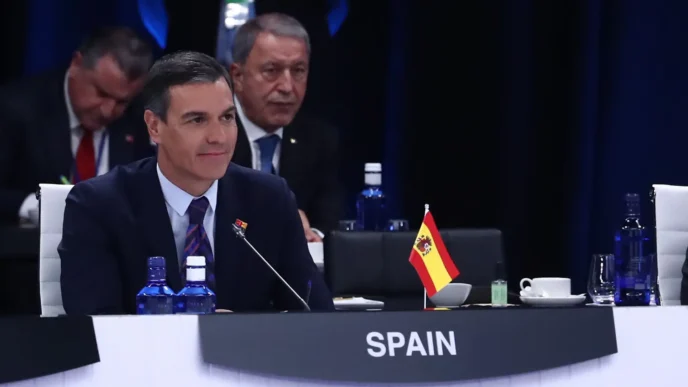
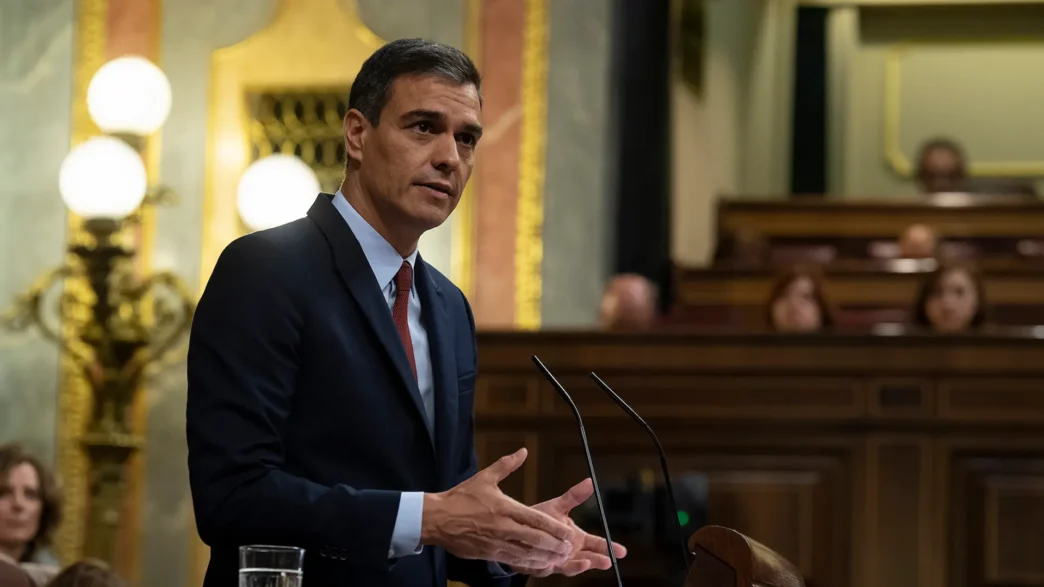
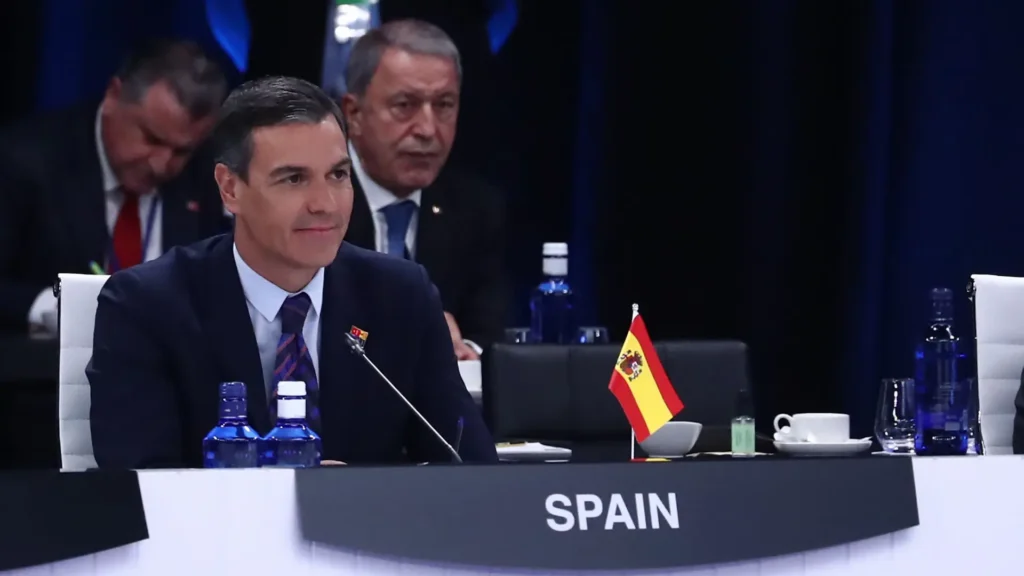
Photo: Pedro Sánchez at the NATO Summit (June 29, 2022)
Source: La Moncloa (Government of Spain)
Author: Pool Moncloa / Fernando Calvo Rollán
License: Government of Spain – free use with attribution https://w.wiki/KZVv
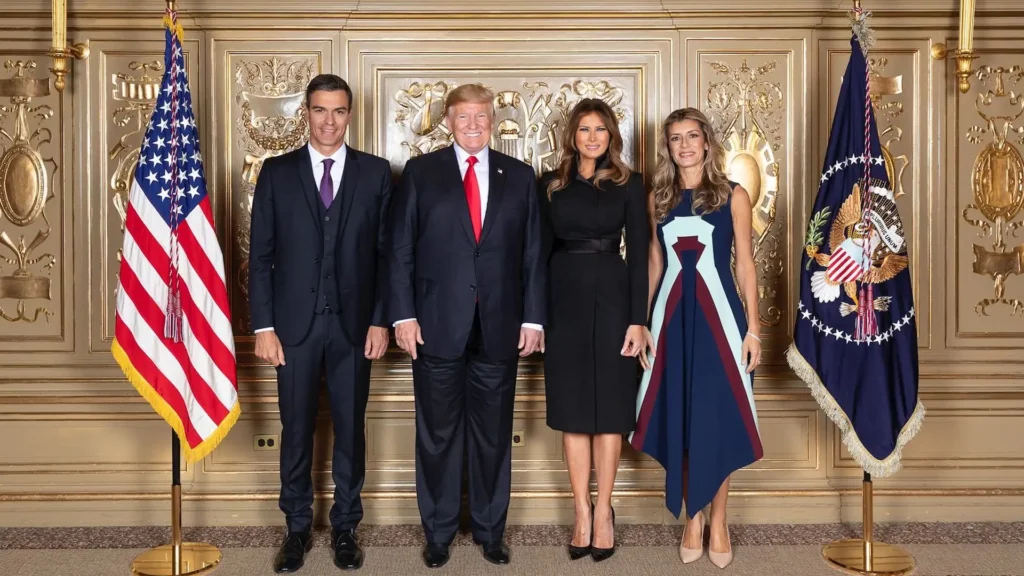
Photo credit: Official White House photo by Andrea Hanks, showing Presidents Donald J. Trump and Pedro Sánchez at the United Nations General Assembly, 25 September 2018. Public domain. Source: Wikimedia Commons: https://w.wiki/J9zG
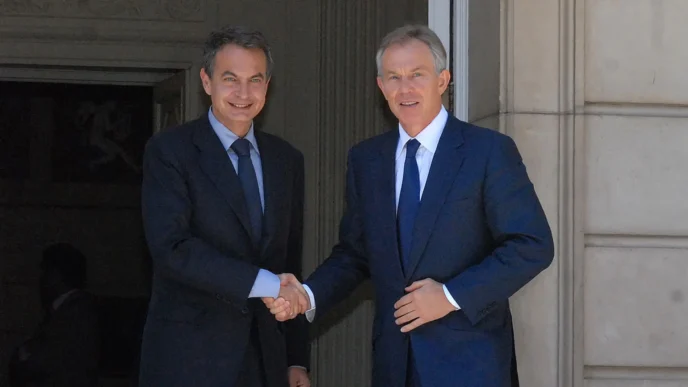
Photo: Pool Moncloa / Borja Puig de la Bellacasa (Ministry of the Presidency, Government of Spain), 22 July 2019. lamoncloa.gob.es Wikimedia Commons: https://w.wiki/KKmW