

 English
 Español
A Year Later, Spain Still Seeks Answers
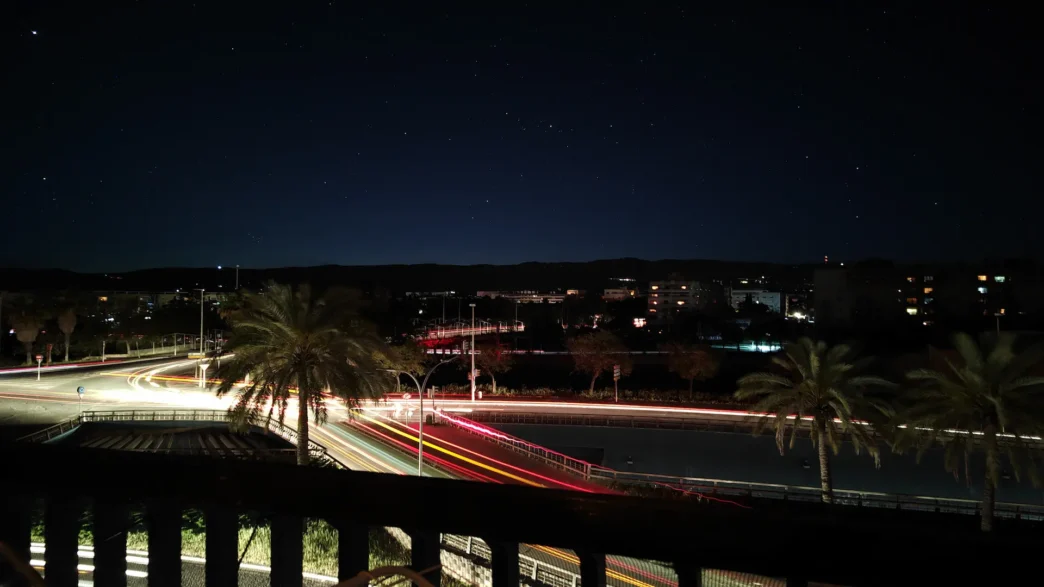
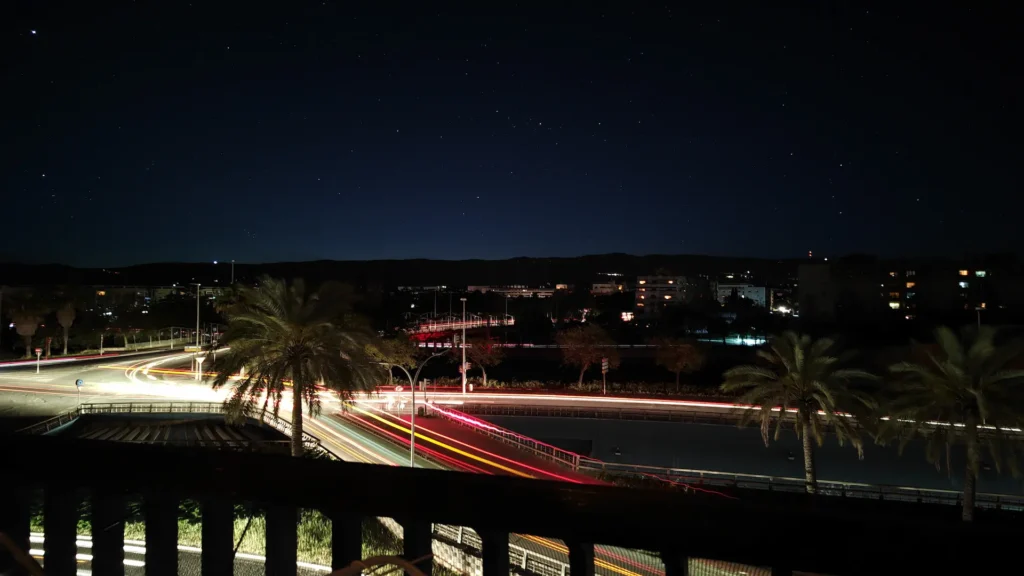
On April 28, 2025, at exactly 12:33 p.m., Spain experienced one of the worst power outages in modern European history. The blackout spread across the Iberian Peninsula, affecting Portugal and parts of southern France within seconds.
Millions lost electricity instantly. Internet services failed, trains stopped, businesses shut down, and communication systems collapsed.
One year later, a key question remains unanswered:
What caused the Spain blackout of 2025—and who is responsible?
Despite multiple investigations, the answer is complex. Experts now agree the event was a multifactorial failure, involving technical issues, regulatory gaps, and operational errors across the energy system.
Conflicting Investigations Leave No Clear Culprit
Spain launched several official investigations after the blackout.
A Senate commission concluded that the event “was not an unforeseeable accident”, pointing to structural failures and ignored warnings by the government, regulators, and grid operator Red Eléctrica.
However, a technical report by European experts from ENTSO-E reached a different conclusion.
They described the blackout as “unprecedented”, emphasizing that no single cause or responsible party can explain the failure.
Instead, the report identified a combination of issues:
- Voltage oscillations
- Improper disconnection of power plants
- Weak voltage control across the grid
One year later, responsibility remains shared—and unclear.
How the Spain Blackout Happened
According to experts, the Spain blackout was triggered by a cascade of overvoltage events—a rare but dangerous grid failure.
The sequence unfolded rapidly:
- Initial grid oscillations destabilized the system
- Voltage levels increased sharply
- Multiple power plants disconnected within seconds
- Spain lost 2.5 gigawatts of electricity generation in under 20 seconds
This sudden imbalance caused a total collapse of the power system.
Beatriz Corredor, president of Red Eléctrica, has denied operator responsibility. She pointed to a solar plant disturbance as the initial trigger, citing a frequency fluctuation of 0.6 hertz.
Government vs Energy Companies: A Battle Over Blame
The Spanish government maintains that it had no prior warning of the blackout.
Sara Aagesen, Minister for Ecological Transition, stated that existing safeguards should have prevented the outage.
Meanwhile, major electricity companies argue the opposite. They claim grid management failures were responsible and have signaled possible legal action.
This ongoing dispute has created a deadlock in accountability, delaying clear conclusions.
Too Much Renewable Energy? A System Under Pressure
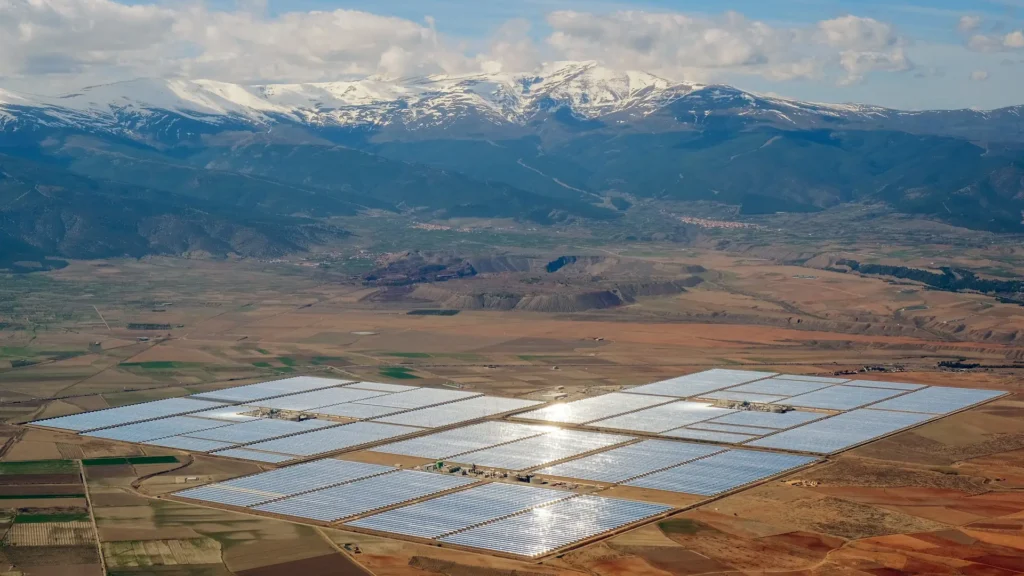
One of the most important findings is that the blackout was not caused by a lack of electricity—but by too much supply.
Energy expert Mar Reguant explained:
This created voltage instability, a key factor in the blackout.
The issue highlights a growing challenge:
👉 Spain’s rapid renewable energy expansion is outpacing grid adaptation.
Renewables are essential for clean energy—but they require advanced grid management and flexibility.


The Real Problem: Regulation, Not Technology
A critical weakness in the system was the lack of voltage control by renewable energy plants.
Unlike traditional power stations, many renewable facilities:
- Were not allowed to regulate voltage
- Could not stabilize the grid during fluctuations
Experts agree this was a regulatory failure, not a technological one.
Since the blackout, Spain has started upgrading systems. Some solar plants now include voltage control capabilities, improving grid resilience.
19 Key Measures to Prevent Another Blackout
European experts issued 19 recommendations to avoid future power outages in Spain.
These include:
- Stronger voltage control systems
- Better coordination between operators and energy companies
- Updated regulations for renewable integration
Energy expert José Luis Sancha warned:
Legal Investigations and Possible Fines
Spain’s competition authority has opened dozens of investigations into the blackout.
These include potential violations by:
- Red Eléctrica
- Major electricity companies
- Energy generation facilities
While no direct cause has been legally confirmed, these cases could lead to fines and lawsuits in the coming years.


Economic Impact: Small Shock, Higher Bills
The blackout caused an immediate economic loss of €415 million in one day.
However, the long-term impact is being felt elsewhere:
👉 Electricity prices in Spain have increased.
To prevent future outages, authorities introduced a reinforced grid model, costing €666 million so far.
This has led to:
- Higher energy production costs
- Increased electricity bills for households
- Estimated extra cost of €50–€60 per year per household
For deeper insight, read our related analysis:
👉 Spain Electricity Prices vs Germany and Italy (2026): Why Power Is Cheaper Despite the Iran War Energy Crisis
Renewable Energy Debate Intensifies in Spain
The blackout sparked a political and social debate about renewable energy.
Some groups blamed solar and wind power. However, technical reports show:
👉 Renewables were not the cause of the blackout.
Instead, the issue was how the system manages renewable energy, not the energy itself.
Still, public perception has shifted. Around one-third of Spaniards believe renewables contributed to the blackout.
This has turned energy policy into a broader political debate.
Human Impact: Fear, Confusion, and Solidarity
Beyond technical failures, the blackout had a strong human impact.
People were:
- Stranded in trains
- Cut off from communication
- Forced to stop work unexpectedly
Yet many also remember acts of solidarity, with communities helping each other during the crisis.
One year later, most people have returned to normal life, with only minor changes such as:
- Keeping flashlights or radios
- Having emergency supplies at home
Final Lessons from the Spain Blackout
One year after the 2025 Spain blackout, the event remains partially unresolved.
What we do know is clear:
- Modern energy systems are becoming more complex
- Renewable energy requires better grid adaptation
- Regulation must evolve as fast as technology
- Coordination across the energy sector is critical
The Spain blackout was not just a temporary failure.
👉 It was a warning about the future of energy systems in Europe.
Whether those lessons are fully applied will determine if such a crisis happens again.
Information Source:
https://www.rtve.es/noticias/20260428/
https://www.rtve.es/noticias/20251003/
Photo Attribution:
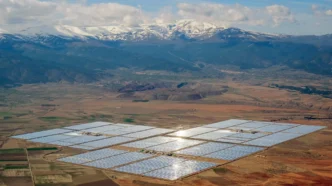
Andasol Guadix 2, by kallerna, Creative Commons Attribution-Share Alike 4.0 International license. Wikimedia Commons: https://w.wiki/KUTK
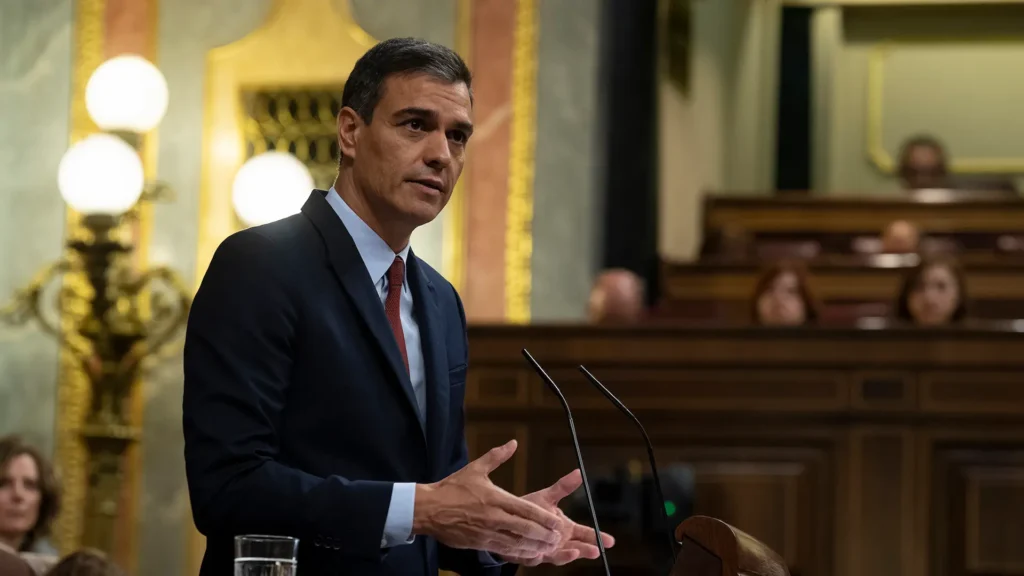
Photo: Pool Moncloa / Borja Puig de la Bellacasa (Ministry of the Presidency, Government of Spain), 22 July 2019. lamoncloa.gob.es Wikimedia Commons: https://w.wiki/KKmW
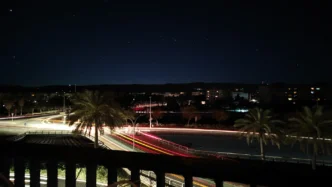
Cielo estrellado sobre Córdoba durante el apagón de la Península Ibérica, by HéctorSdP, Creative Commons Attribution-Share Alike 4.0 International license. Wikimedia Commons: https://w.wiki/MKe8