

 English
 Español


A short Middle East conflict could slow Spain’s economic growth and push inflation above 3%, according to a new analysis by the Spanish economic think tank Funcas.
The research center estimates that if the conflict lasts about three months — currently considered the most likely scenario — Spain’s economy could lose around 0.2 percentage points of growth this year.
The main drivers would be rising oil and gas prices, as well as higher fertilizer costs, which could increase food prices and reduce household spending.
Economists warn the effects would likely be felt through higher consumer prices, weaker consumption and increased uncertainty affecting business investment.

Energy Prices Rise After Conflict Escalation
Global energy markets reacted quickly after tensions escalated in the Middle East.
According to the analysis by Funcas:
- Oil prices rose about 14% in one week
- Natural gas prices surged around 48%
Although the increase is significant, economists say it is still less dramatic than the shock following Russia’s invasion of Ukraine in 2022.
At that time:
- Oil prices briefly exceeded $180 per barrel
- Spain’s gas benchmark Mibgas climbed to €200 per megawatt hour
Those levels were roughly double or even four times higher than current prices.
“Market reactions have been notable but less severe than those seen at the start of the Ukraine war,” the report says.
However, if energy prices remain elevated, Spanish households and businesses could face higher costs in the coming months.
Fertilizer Prices Jump, Raising Food Cost Risks
Another important factor highlighted by the report is the sharp increase in fertilizer prices.
Countries in the Persian Gulf are major producers of fertilizers used in global agriculture.
Disruptions in the region can therefore affect food supply chains worldwide.
Since the conflict began, fertilizer prices have risen 24% to around $590 per ton.
Although this remains below the $870 peak reached during the Ukraine war, it still represents a significant increase.
Higher fertilizer costs could eventually push food prices higher, adding pressure to inflation and household budgets in Spain.
Fuel and Electricity Already Becoming More Expensive
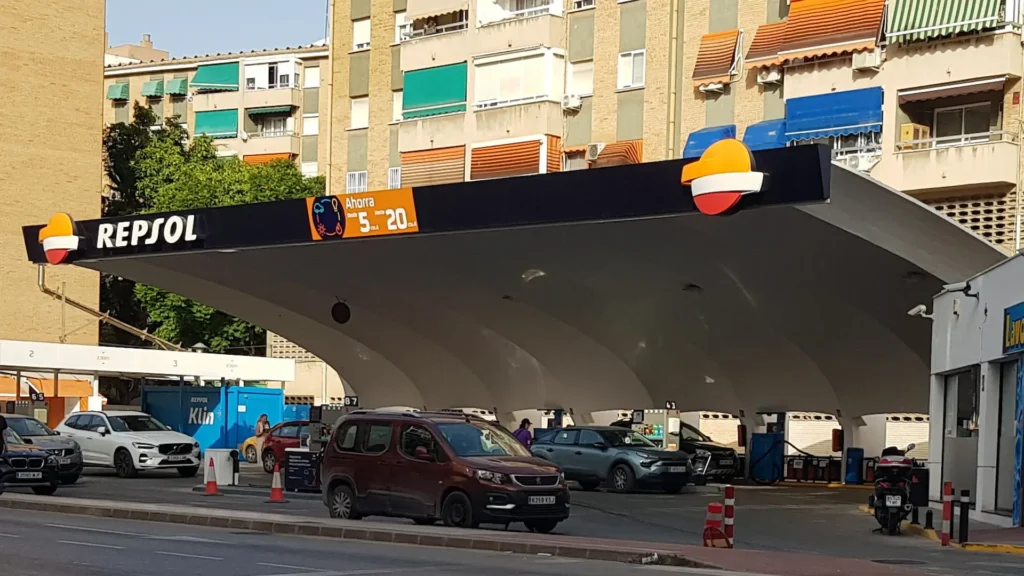
The rise in global energy prices is already being felt by Spanish consumers.
According to the report:
- Fuel prices at gas stations have increased by around €0.10 per liter in the past week
- Spain’s regulated electricity tariff PVPC is now about 13% higher than the previous month’s average
Economists estimate that a 10% rise in oil prices typically increases inflation by about 0.1 percentage points.
A similar effect occurs with natural gas prices.
If energy prices remain at current levels for several months, inflation in Spain could exceed 3%, reversing some of the recent progress in stabilizing consumer prices.
Household Spending Could Slow
Higher inflation tends to reduce household purchasing power.
That could weaken private consumption, which has become the main engine of Spain’s economic growth in recent years.
As energy and food prices rise, consumers often cut back on discretionary spending, slowing economic activity.
According to Funcas, weaker consumption could therefore weigh on Spain’s overall economic performance.
Rising costs could also affect Spanish exports, particularly if economic conditions deteriorate among the country’s main European trading partners.
Tourism Impact Could Be Mixed
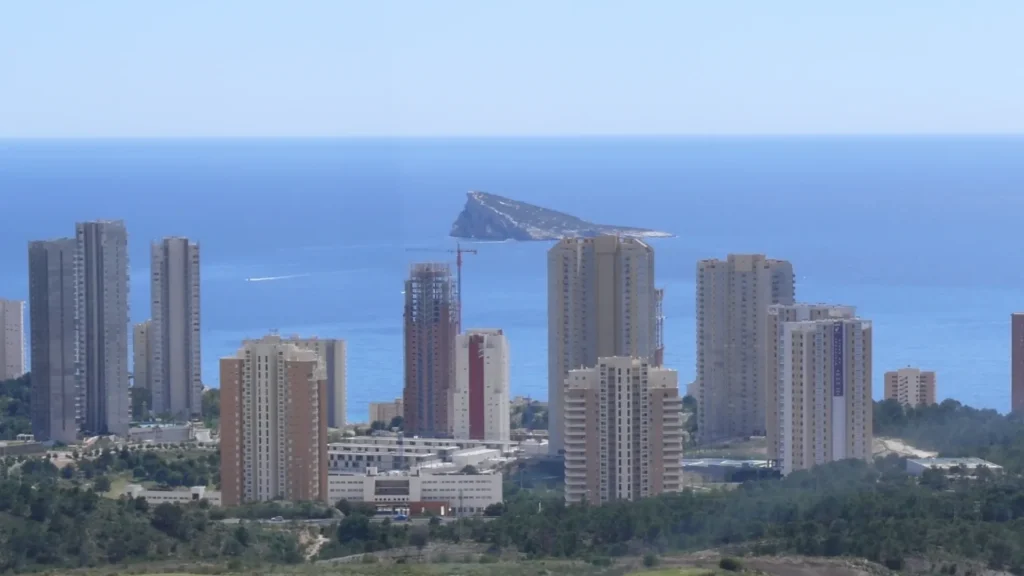
Spain’s tourism sector could experience both positive and negative effects.
Higher fuel prices may increase airline ticket costs, potentially discouraging some international travel.
However, Spain could also benefit from shifting travel patterns.
Tourists may avoid destinations closer to geopolitical tensions and choose safer alternatives within Europe.
Countries such as Egypt and Turkey, both popular holiday destinations, could see weaker demand if security concerns increase.
In that case, Spain may attract additional visitors, partially offsetting the negative effects of higher travel costs.
Investment Could Slow Amid Uncertainty
Geopolitical tensions often lead businesses and consumers to delay major financial decisions.
This uncertainty could slow investment in Spain, which had recently begun to recover after several years of weaker performance.
Investment is a key factor for long-term economic growth, meaning prolonged uncertainty could have broader economic consequences.

Limited Impact for Now — But Risks Remain
Despite these challenges, Funcas believes the economic impact would remain relatively limited if the conflict is short-lived.
The think tank previously forecast Spain’s economy would grow by 2.4% in 2026. A three-month conflict would reduce that expansion by about 0.2 percentage points.
However, economists warn the situation could become significantly worse if the conflict escalates.
“If the war lasts longer or damages key infrastructure that disrupts global energy supplies — including oil, gas or refined products — the economic outlook would be considerably more negative,” the report states.
For now, the outlook depends largely on how long the conflict lasts and whether global energy flows remain stable.
Those two factors will determine how strongly the economic shock reaches households and businesses in Spain.
Photo Attribution:
Gasolinera Alaska Málaga, by Tyk, Creative Commons Attribution-Share Alike 4.0 Internationa, Wikimedia Commons: https://w.wiki/JGM9
Skyline of Benidorm by Ad Meskens, via Wikimedia Commons, licensed under CC BY-SA 3.0.
Parque natural de Serra Gelada, Benidorm (2017-10-15)” by Triplecaña. Source: Wikimedia Commons Licensed under CC BY-SA 4.0
Plaza de Colón, by Enrique Dans, Creative Commons Attribution 2.0 Generic, Wikimedia Commons: https://w.wiki/JGMs
Madrid Chamartín station 2023 03 by Smiley.toerist, licensed under Creative Commons Attribution-ShareAlike 4.0 International (CC BY-SA 4.0).
Source: Wikimedia Commons (https://w.wiki/HXR2)