A Major Scientific Retraction Raises Questions Over Cancer Research Transparency
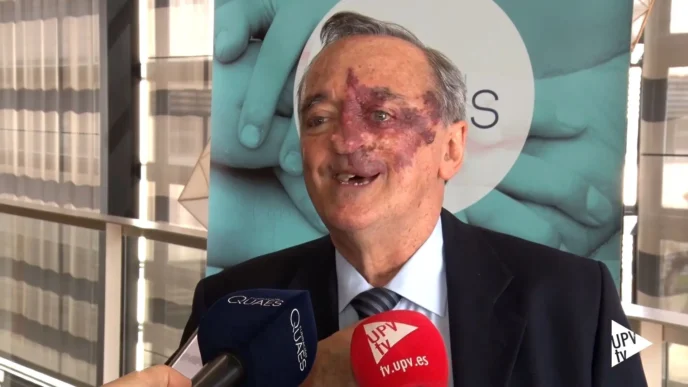
The United States National Academy of Sciences has formally retracted a high-profile study led by Spanish scientist Mariano Barbacid, which had suggested a potential breakthrough in pancreatic cancer treatment in mice.
The decision follows an internal review into undisclosed financial interests linked to the researchers and a biotechnology company created to commercialize the findings.
Originally published in the Proceedings of the National Academy of Sciences (PNAS), the study attracted global attention after reporting complete tumor regression in experimental mouse models. It has now been officially withdrawn from the scientific record.
Why the Study Was Retracted
According to the editorial board of PNAS, the retraction was triggered by a failure to disclose conflicts of interest during submission.
The journal confirmed that Barbacid and two co-authors had financial ties to Vega Oncotargets, a biotechnology company established to develop commercial applications from their cancer research.
The editorial board stated that the authors had a:
Because of this omission, the journal concluded that the paper could not remain in its published form.
Alternative measures, such as issuing a correction, were considered but rejected due to the seriousness of the disclosure failure.
What the Study Claimed About Pancreatic Cancer
Before its retraction, the study gained attention for its preclinical results in mice models.
The research evaluated a triple drug therapy targeting the KRAS protein, a major driver in pancreatic cancer. The treatment included:
- Daraxonrasib (Revolution Medicines)
- Afatinib (Boehringer Ingelheim)
- SD-36 (University of Michigan compound)
Researchers reported complete tumor regression in laboratory mice, including genetically engineered models and human tumor grafts.
Despite these results, experts consistently emphasized that the findings were early-stage and not applicable to humans without clinical trials.
How the Study Became a Global Media Sensation
After publication, the study rapidly spread beyond scientific circles into global media coverage.
A public presentation and multiple interviews contributed to widespread attention, with some outlets incorrectly describing the findings as a “cure for pancreatic cancer.”
Barbacid later clarified that:
- The results were limited to experimental models
- Human treatments would require years of additional research
- Clinical trials had not yet begun
Despite these clarifications, the study triggered major public interest, including fundraising campaigns and patient inquiries.
Conflict of Interest at the Center of the Case
The core issue identified by the National Academy of Sciences was the undisclosed ownership stake in Vega Oncotargets.
According to the investigation:
- Researchers held significant shares in the company
- The company was directly linked to the research outcomes
- Future patents for related therapies were being explored
The Academy concluded that these financial interests may have compromised transparency and violated publishing ethics standards.
Institutional Response and Scientific Accountability
The Spanish National Cancer Research Centre (CNIO), where Barbacid leads a research group, has not issued a detailed public response.
However, one co-author acknowledged that the team failed to properly disclose commercial interests during submission and confirmed that the study has been resubmitted with updated declarations.
The case has intensified debate within the scientific community over transparency in publicly funded biomedical research, particularly when commercial ventures are involved.
The Role of Vega Oncotargets
Founded in 2024, Vega Oncotargets was created to explore commercial applications of pancreatic cancer research developed within the CNIO team.
The company includes:
- Academic researchers involved in the study
- Private investors
- Regional development funds
- Scientific foundations
Critics argue that combining academic leadership with equity ownership in related companies creates ethical risks, especially in high-impact medical research publications.
Scientific Validity Still Under Discussion
Despite the retraction, experts emphasize that the underlying scientific approach has not been dismissed.
The KRAS-targeted triple therapy remains a promising area in oncology research, but it is still limited to animal models and early-stage studies.
Independent researchers highlight key limitations:
- Mouse studies do not reliably predict human outcomes
- Clinical trials are required before any treatment use
- Early findings are often overstated in public communication
Public Reaction and Funding Concerns
Following the initial announcement, the study generated significant public attention.
- Hundreds of patients contacted the research team
- A private fundraising campaign exceeded €3 million
- Some media outlets described the findings as a potential cure
Researchers later clarified that no human trials exist and none are planned in the near future, highlighting a gap between scientific evidence and public perception.
Broader Implications for Cancer Research Transparency
Lorem ipsum dolor sit amet,
The retraction highlights a broader issue in modern biomedical science: the intersection of academic research, private funding, and commercial interests.
Experts warn that stronger safeguards are needed to maintain public trust in scientific publishing, particularly in oncology.
This case is expected to influence future standards on:
- Conflict of interest disclosure requirements
- Peer review and journal oversight
- Public communication of early-stage medical research
A Warning for Scientific Transparency
The withdrawal of Mariano Barbacid’s pancreatic cancer study represents a significant moment in discussions about research integrity and transparency in science.
While research into KRAS-targeted therapies continues, the case highlights the importance of clear disclosure, responsible communication, and strict separation between research and commercialization.
As the scientific community reviews the implications, the focus now shifts toward ensuring that future medical breakthroughs are communicated with greater accuracy and transparency.
Information Source:
https://elpais.com/ciencia/2026-04-28/
https://www.huffingtonpost.es/life/
Photo Attribution:
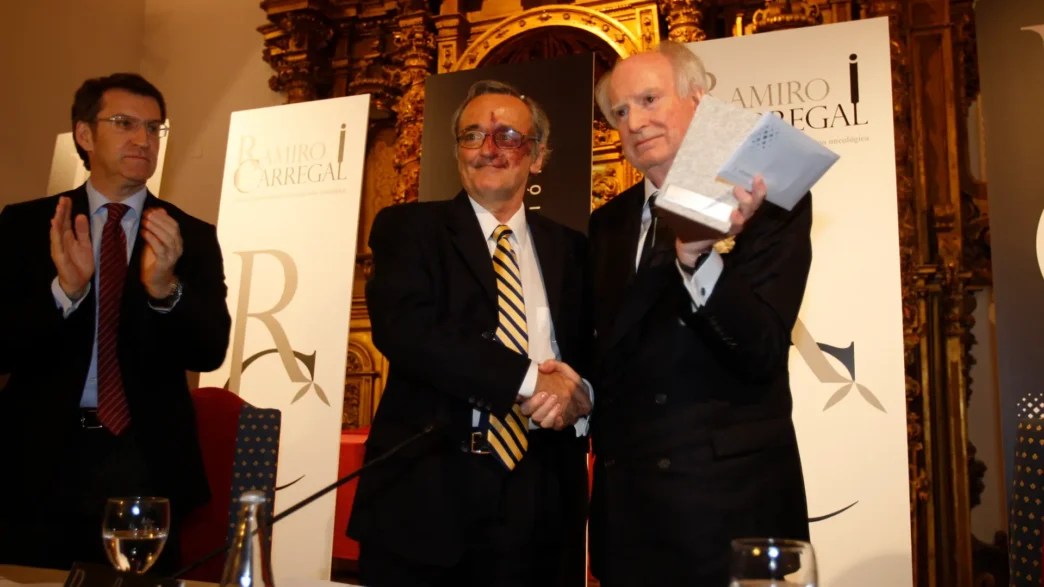
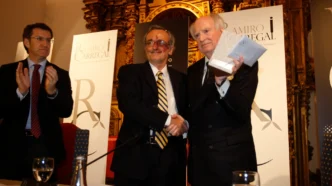
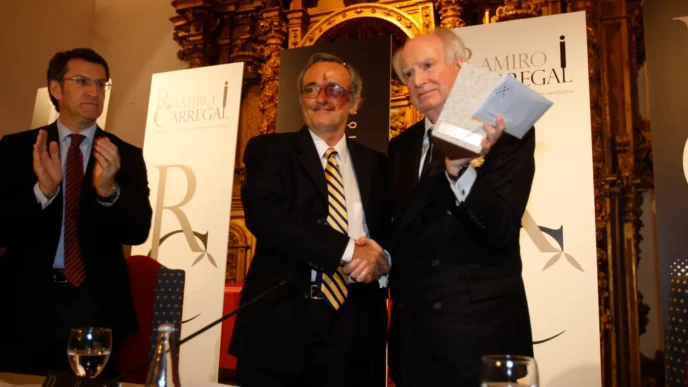
Mariano Barbacid receiving the Ramiro Carregal Cancer Research Award in Santiago, Spain. Photo by Certo Xornal, licensed under Creative Commons Attribution-ShareAlike 2.0 (CC BY-SA 2.0) / via Wikimedia Commons. https://w.wiki/HeyZ
English
Español