

 English
 Español
📊 A decisive move amid growing scrutiny
Mariano Barbacid, one of Spain’s most prominent cancer researchers, has announced that he will renounce all potential financial benefits linked to his experimental pancreatic cancer therapy, in a move aimed at addressing mounting concerns over research transparency, ethics, and conflict of interest.
In a public statement released through legal representatives and social media channels, Barbacid confirmed that he will cut all ties with the biotech company Vega Oncotargets, returning his shares and relinquishing ownership of two patent applications associated with the treatment.
The decision follows the retraction of a high-profile pancreatic cancer study, which had previously attracted widespread attention in both the scientific community and mainstream media.
⚠️ From breakthrough to controversy
Barbacid’s research was initially presented as a major advance in pancreatic cancer treatment, one of the most aggressive and difficult-to-treat cancers.
As previously reported in Mariano Barbacid Leads CNIO Breakthrough Triple Therapy That Eliminates Pancreatic Cancer Tumors in Mice, the experimental triple therapy showed striking results in preclinical trials, successfully eliminating tumors in laboratory mice.
However, the narrative shifted dramatically following the events detailed in Mariano Barbacid Pancreatic Cancer Study Retracted by U.S. Academy Over Undisclosed Conflict of Interest. The study was withdrawn after it emerged that the researchers had failed to disclose financial ties to Vega Oncotargets, raising serious concerns about scientific integrity and transparency.
This omission triggered a broader debate about conflicts of interest in biomedical research, particularly when commercial ventures intersect with publicly funded science.
💼 Full divestment to restore credibility
In his statement, Barbacid made clear that his decision is intended to eliminate any suspicion regarding his motivations.
“I have decided to completely dissociate myself from Vega Oncotargets by returning all my shares, valued at 750 euros, as well as relinquishing ownership of two patent applications,” he said.
He emphasized that these assets held no significant economic value, reinforcing his position that financial gain was never his objective.
Barbacid also described the criticism as part of a campaign of unfounded accusations, firmly rejecting claims that he sought personal enrichment through his research.
🔬 Scientific integrity under intense scrutiny
The controversy has extended beyond Barbacid personally, raising wider questions about scientific publishing standards, peer-review processes, and ethical oversight.
The original study had been submitted through a special contributed track, a mechanism that allows members of the National Academy of Sciences to select their own reviewers. This process has come under criticism following the disclosure failure.
As explored in Mariano Barbacid PNAS Retraction: Does It Affect the Pancreatic Cancer Study Results?, the retraction does not automatically invalidate the findings. However, it does undermine confidence in the review process and highlights the importance of full disclosure in scientific research.
The research team has since resubmitted the study through standard peer-review channels, where it will undergo independent evaluation.
💰 Donations and public trust under pressure
The controversy has also drawn attention due to the significant fundraising campaign linked to the research.
In collaboration with the CRIS Cancer Foundation, the project raised approximately 3.6 million euros to support further development of the therapy.
As examined in Barbacid Cancer Fund Under Scrutiny After PNAS Study Retraction: What Happens to 3.6 Million in Donations?, questions have emerged about the future allocation of these funds.
The foundation has confirmed that the money remains secure and will be used according to a revised scientific plan.
Barbacid has sought to reassure donors, stating that all contributions will be dedicated exclusively to advancing pancreatic cancer research and developing viable treatments in the coming years.
🧪 A promising but still experimental therapy
Despite the controversy, experts stress that the treatment remains highly experimental.
The original findings were based on preclinical trials in mice, meaning that:
- The therapy has not yet been tested in humans
- Its clinical effectiveness remains uncertain
- Extensive validation is still required
Specialists have warned against overstating early-stage results, noting that translating laboratory success into effective human treatments can take years, if not decades.
The initial media coverage, which at times suggested a potential cure for pancreatic cancer, has been widely criticized for creating unrealistic expectations among patients and families.
🏛️ Institutional response and ongoing investigation
The Spanish National Cancer Research Centre, where Barbacid leads the Experimental Oncology Group, has launched an internal investigation to determine whether ethical guidelines were breached.
The institution’s code of conduct clearly requires researchers to declare any conflicts of interest, a standard that appears to have been violated in this case.
A spokesperson confirmed that the matter is currently under review and that any conclusions will be made public once the process is complete.
📉 Reputation, responsibility, and scientific accountability
Barbacid’s decision to renounce financial ties represents a significant effort to restore credibility and protect the integrity of his research.
However, the case highlights deeper structural challenges in modern science:
- The growing intersection between academic research and commercial interests
- The need for greater transparency in scientific communication
- The risks associated with premature or exaggerated media coverage
While Barbacid maintains that his intentions were purely scientific, the controversy demonstrates how public perception can shape scientific impact as much as the research itself.
🔍 What comes next for the pancreatic cancer research
Several key developments will determine the future of this case:
- The outcome of the peer-review process for the resubmitted study
- The findings of the CNIO internal investigation
- The final allocation of the 3.6 million euros in donations
- Potential progression toward clinical trials in humans
For now, the scientific community remains cautious, closely monitoring developments.
📌 A defining moment for research transparency
The Barbacid case represents a critical moment at the intersection of science, ethics, and public trust.
It shows how groundbreaking research can quickly become overshadowed by concerns over transparency—and how restoring confidence requires clear and decisive action.
By cutting ties with Vega Oncotargets and stepping away from financial interests, Barbacid is attempting to refocus attention on the scientific potential of his work.
Whether this will be enough to rebuild trust remains uncertain. What is clear is that this case will continue to influence how high-impact biomedical research is conducted, reviewed, and communicated in the years ahead.
Information Source:
https://www.eldiario.es/sociedad/
https://elpais.com/ciencia/2026-05-05/
Photo Attribution:
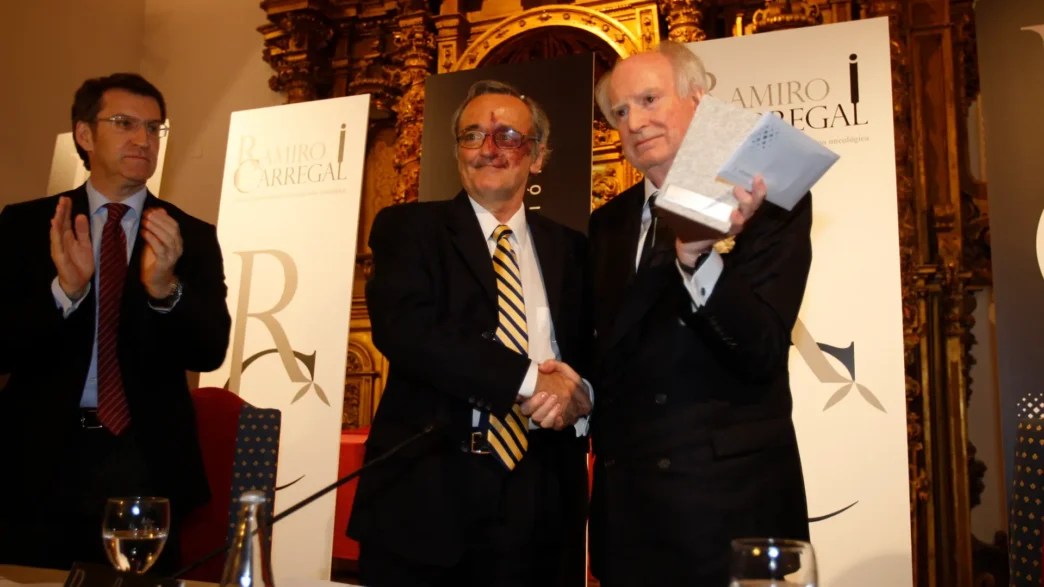
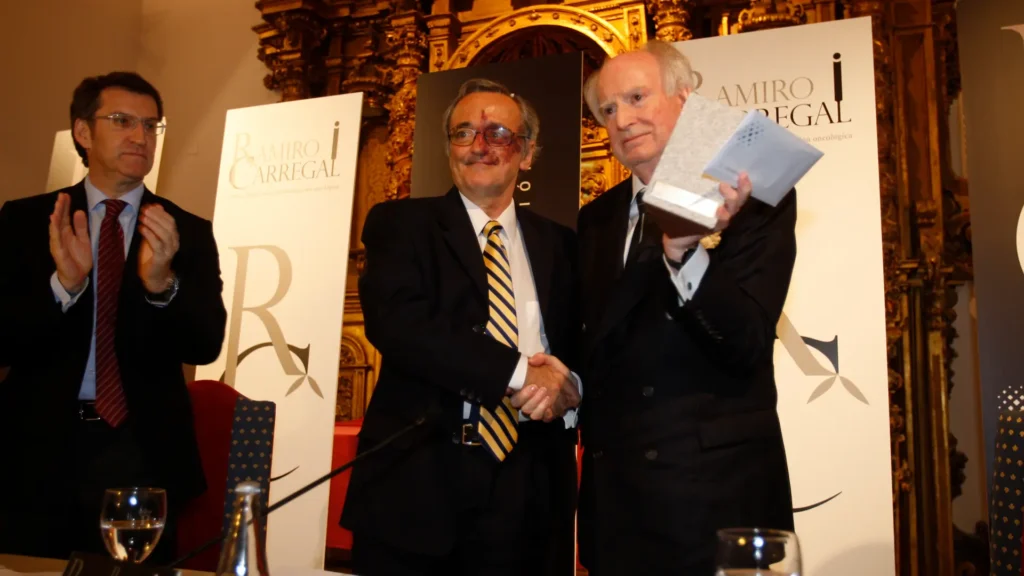
Mariano Barbacid receiving the Ramiro Carregal Cancer Research Award in Santiago, Spain. Photo by Certo Xornal, licensed under Creative Commons Attribution-ShareAlike 2.0 (CC BY-SA 2.0) / via Wikimedia Commons. https://w.wiki/HeyZ
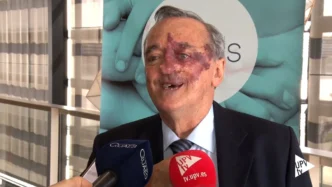
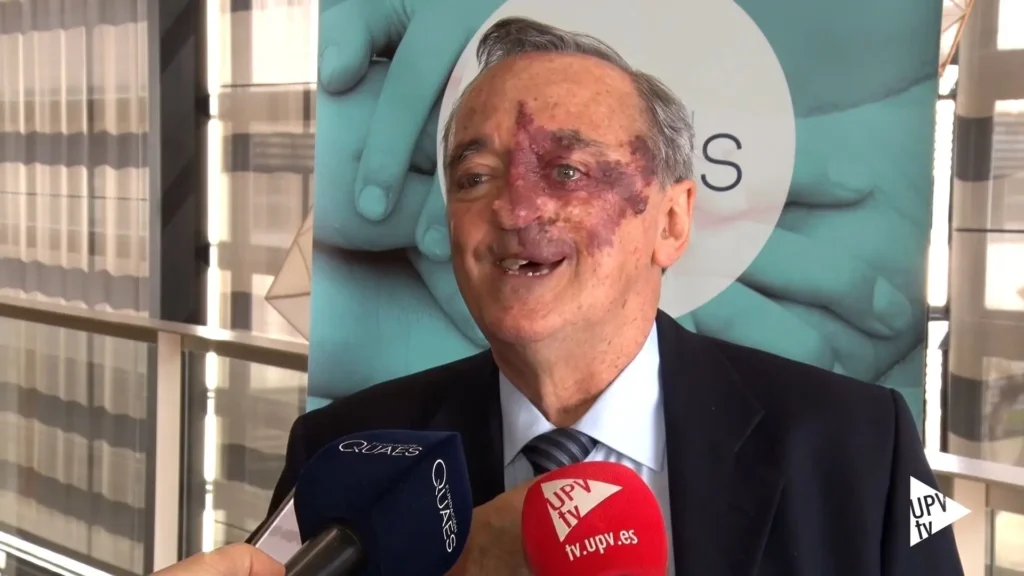
Mariano Barbacid muestra las armas contra el cancer, by UPV Área de Comunicación Creative Commons Attribution 3.0 Unported license. Wikimedia Commons: https://w.wiki/MNZc
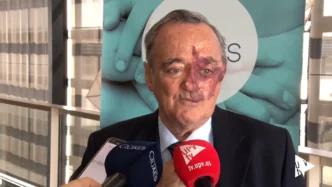
Mariano Barbacid muestra las armas contra el cancer, by UPV Área de Comunicación Creative Commons Attribution 3.0 Unported license. Wikimedia Commons: https://w.wiki/MQyM